Keep reading
Nearby & related
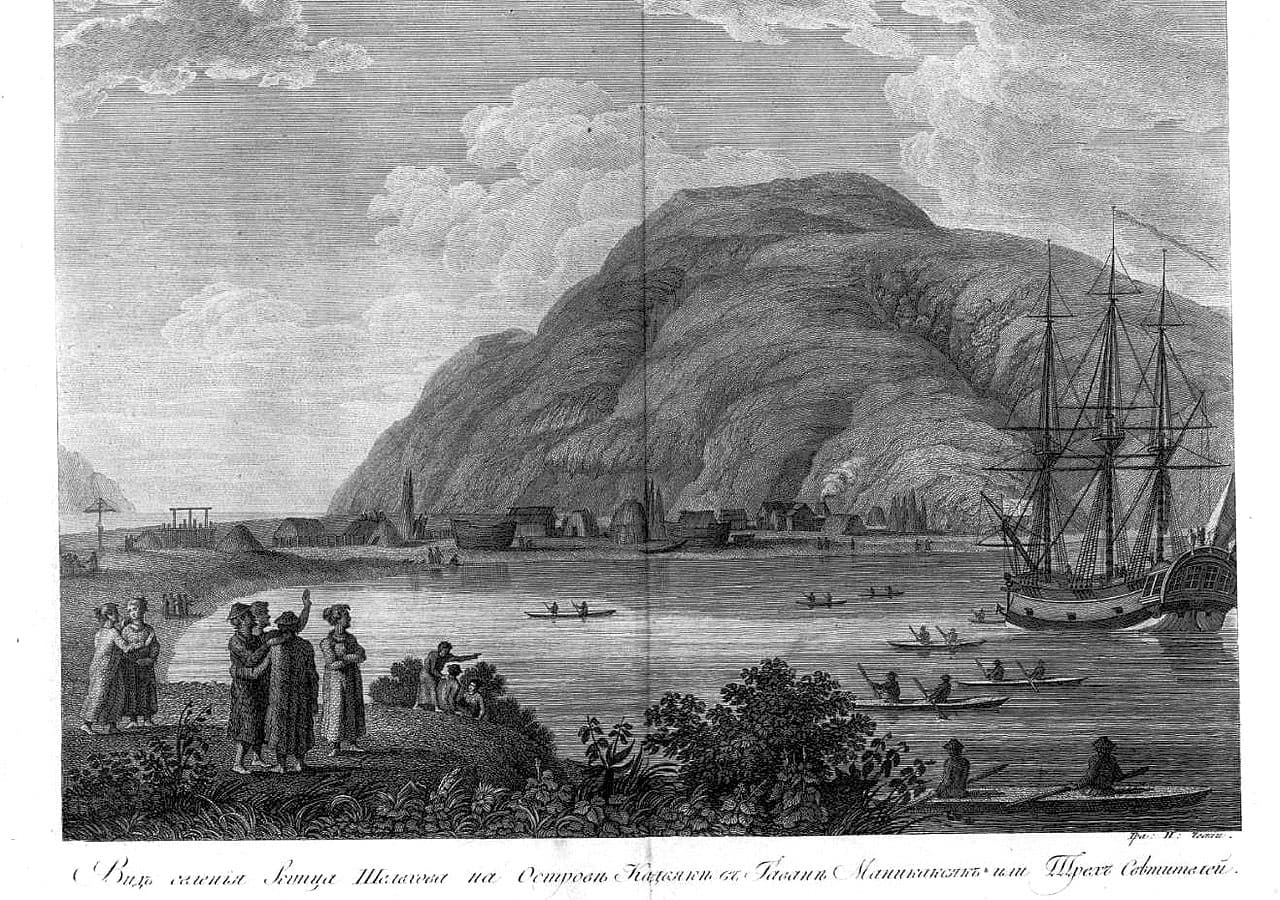
Three Saints Bay: Alaska’s First Russian Settlement Site
Walk the remote shores of Kodiak Island where Russia established its first permanent colony in North America in 1784.
17 August 2026
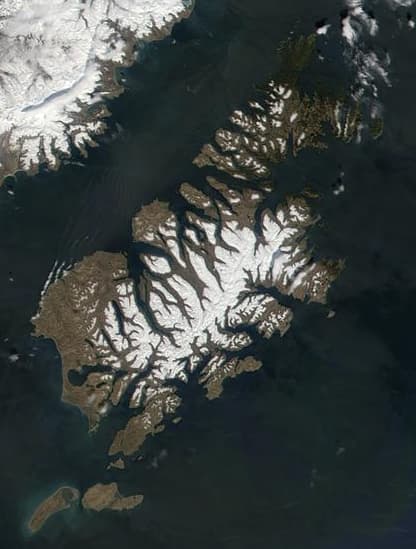
Explore the rugged beaches, seal colonies, and seabird rookeries of this uninhabited island southwest of Kodiak.
Tugidak Island stands out for its isolation and rich marine mammal presence in the Kodiak Island Borough. The low-lying island features sandy beaches backed by tundra and wetlands that support large haul-outs of harbor seals and Steller sea lions. Visitors come for the chance to observe wildlife in a setting with almost no human infrastructure or trails.
Access requires a boat or floatplane departure from Kodiak city, roughly 60 miles northeast. Most travelers charter vessels through local operators familiar with the shallow waters and tidal currents around the island. Floatplane flights offer faster aerial views but are weather-dependent and best arranged with pilots experienced in the region’s frequent fog.
Boats typically anchor offshore and use skiffs to reach the beach. Once ashore, movement is on foot along the shoreline or across open tundra; no maintained paths exist. Strong winds and sudden weather changes make sturdy waterproof clothing and reliable navigation essential.
Wildlife viewing dominates activities. Harbor seals rest in large numbers on the beaches, while seabird colonies occupy the cliffs and grassy slopes. Kayakers can paddle the sheltered coves when conditions allow. Photographers often focus on the contrast between the dark volcanic sand and the marine mammals. Overnight camping is possible but demands full self-sufficiency, including bear-resistant food storage.
June through early September brings the mildest temperatures and longest daylight, coinciding with peak seal pupping and seabird nesting. Winter visits are rare due to storms and ice, though the island remains accessible by air or boat for those equipped for extreme conditions. Shoulder months of May and September can offer fewer visitors and dramatic light but require extra preparation for variable weather.
The surrounding Kodiak Archipelago includes Sitkalidak Island to the northeast and the larger Kodiak Island itself, home to the town of Kodiak with its fishing harbor and museums. Many charters combine Tugidak with stops at other small islands for broader wildlife viewing within the Alaska Maritime National Wildlife Refuge complex.
Keep reading
Walk the remote shores of Kodiak Island where Russia established its first permanent colony in North America in 1784.
Most visitors hire a local boat charter or floatplane service out of Kodiak; the trip takes several hours by sea or under an hour by air, depending on weather.
Yes, but visitors must be fully self-sufficient with bear-proof storage, water treatment, and leave-no-trace practices since no facilities exist.
Harbor seals and Steller sea lions haul out on the beaches in large numbers, while seabirds nest along the cliffs and tundra.
Summer months from June to early September provide the most reliable weather and active wildlife, though conditions can still change quickly.
No maintained trails or structures exist; exploration is limited to walking the shoreline and open tundra with careful attention to tides and weather.
A compact island escape offering trails, beaches, and abundant marine life just minutes from Kodiak.
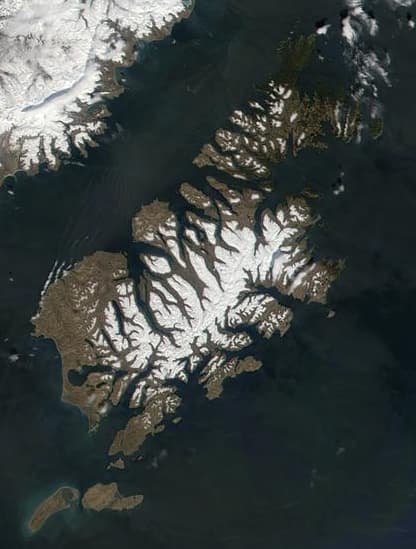
Experience the rugged solitude, abundant wildlife, and pristine shores of Sitkinak Island far off Alaska’s mainland.