Keep reading
Nearby & related
Woody Island, Alaska: Wild Shores and Wildlife in the Kodiak Archipelago
A compact island escape offering trails, beaches, and abundant marine life just minutes from Kodiak.
16 August 2026
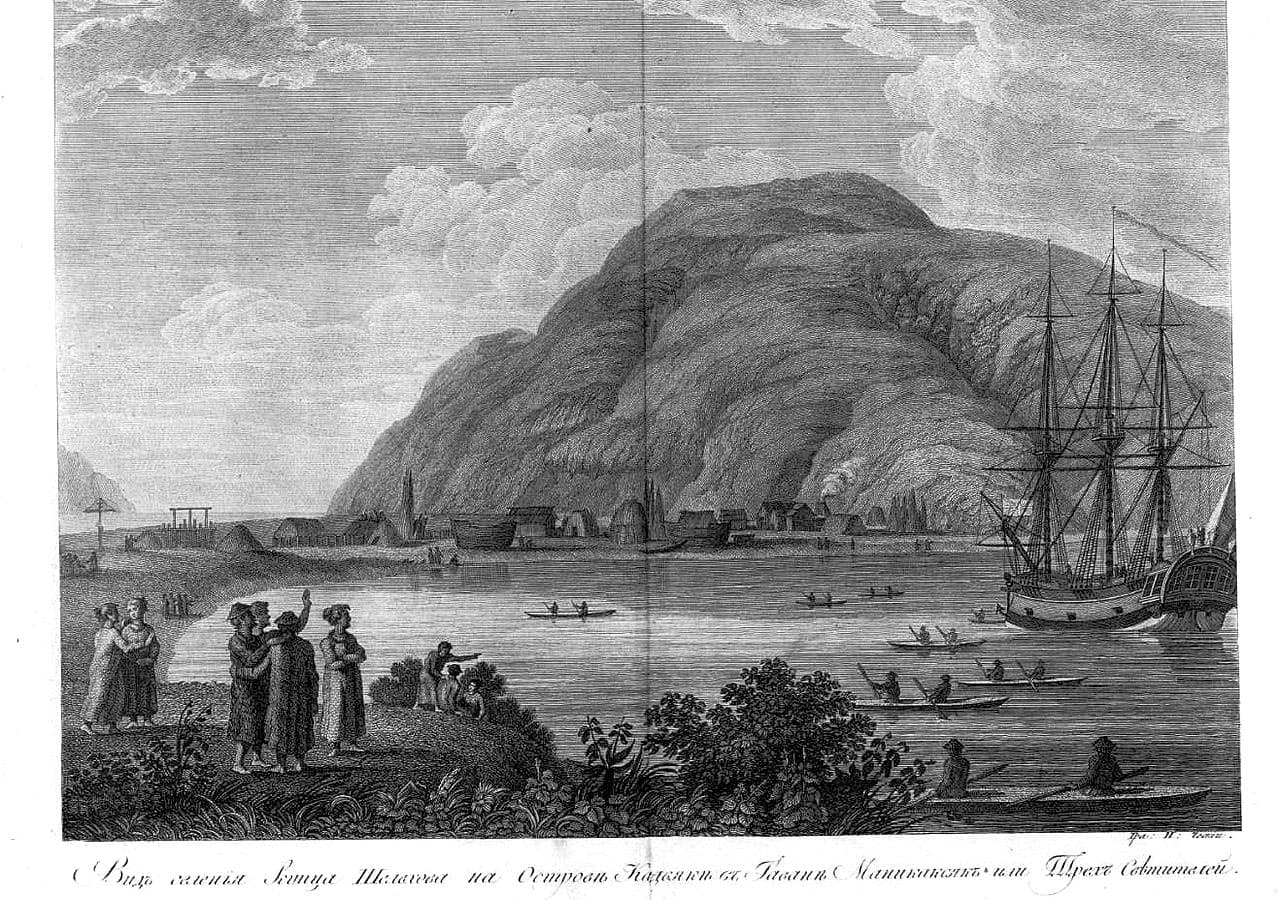
Walk the remote shores of Kodiak Island where Russia established its first permanent colony in North America in 1784.
Three Saints Bay holds the distinction of being the location of the first Russian settlement in Alaska, founded by fur trader Grigory Shelikhov in 1784. The site preserves archaeological evidence of early Russian America, including building foundations, artifacts, and the layout of a colonial outpost that operated until the settlement relocated to present-day Kodiak in the 1790s. Visitors encounter a layered history that blends Russian colonial enterprise, Alutiiq heritage, and the rugged coastal environment of Kodiak Island.
The archaeological remains are subtle but significant. Expect to find depressions marking former structures, scattered Russian-era artifacts protected in situ, and interpretive context about daily life at the colony. The surrounding bay offers dramatic views of mountains rising from the water and opportunities for wildlife observation, including sea otters, seals, and seabirds. Because the site is protected, activities center on respectful observation, photography, and learning rather than collection or disturbance.
Three Saints Bay lies on the southeastern coast of Kodiak Island. Most visitors arrive by small plane or boat from the city of Kodiak, then approach the bay by water taxi or guided charter. The terrain is uneven and often wet; sturdy waterproof footwear and layered clothing are essential. Guided tours with local operators provide the safest and most informative experience, as the site requires knowledge of both cultural sensitivity and tidal conditions.
The optimal window runs from late May through early September when daylight is long and seas are generally calmer. June and July offer the mildest temperatures and highest chance of clear days for photography and hiking. Shoulder months of May and September can bring fewer visitors but require extra preparation for cooler, wetter weather and potential early snow on higher ground.
Combine a visit with other Kodiak Island highlights such as Fort Abercrombie State Historic Park for additional Russian-era and World War II history, the Kodiak National Wildlife Refuge for bear viewing, or the Alutiiq Museum in Kodiak for deeper context on indigenous culture and archaeology. Fishing charters and sea-kayaking trips depart regularly from Kodiak and can be arranged to include a stop near Three Saints Bay.
Keep reading
A compact island escape offering trails, beaches, and abundant marine life just minutes from Kodiak.
Most travelers fly or ferry into Kodiak, then arrange a boat charter or floatplane flight to the bay; the trip typically takes one to two hours depending on weather and vessel.
The terrain is uneven and remote with no developed trails or facilities, making it best suited for visitors comfortable with moderate hiking and boat travel.
No. Three Saints Bay is a protected archaeological site; all artifacts must remain undisturbed and removal is prohibited by law.
There are no lodgings at the bay itself. Visitors usually base in Kodiak and make day trips or arrange overnight stays on charter vessels.
The area holds cultural significance for the Alutiiq people; guided tours often include perspectives on both Russian colonial history and ongoing Alutiiq connections to the land.
Experience the rugged solitude, abundant wildlife, and pristine shores of Sitkinak Island far off Alaska’s mainland.
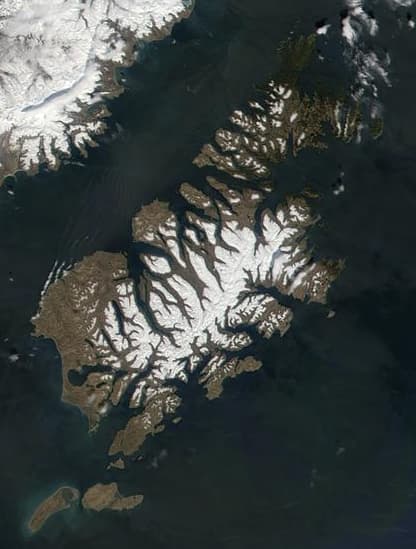
Explore the rugged beaches, seal colonies, and seabird rookeries of this uninhabited island southwest of Kodiak.