Keep reading
Nearby & related
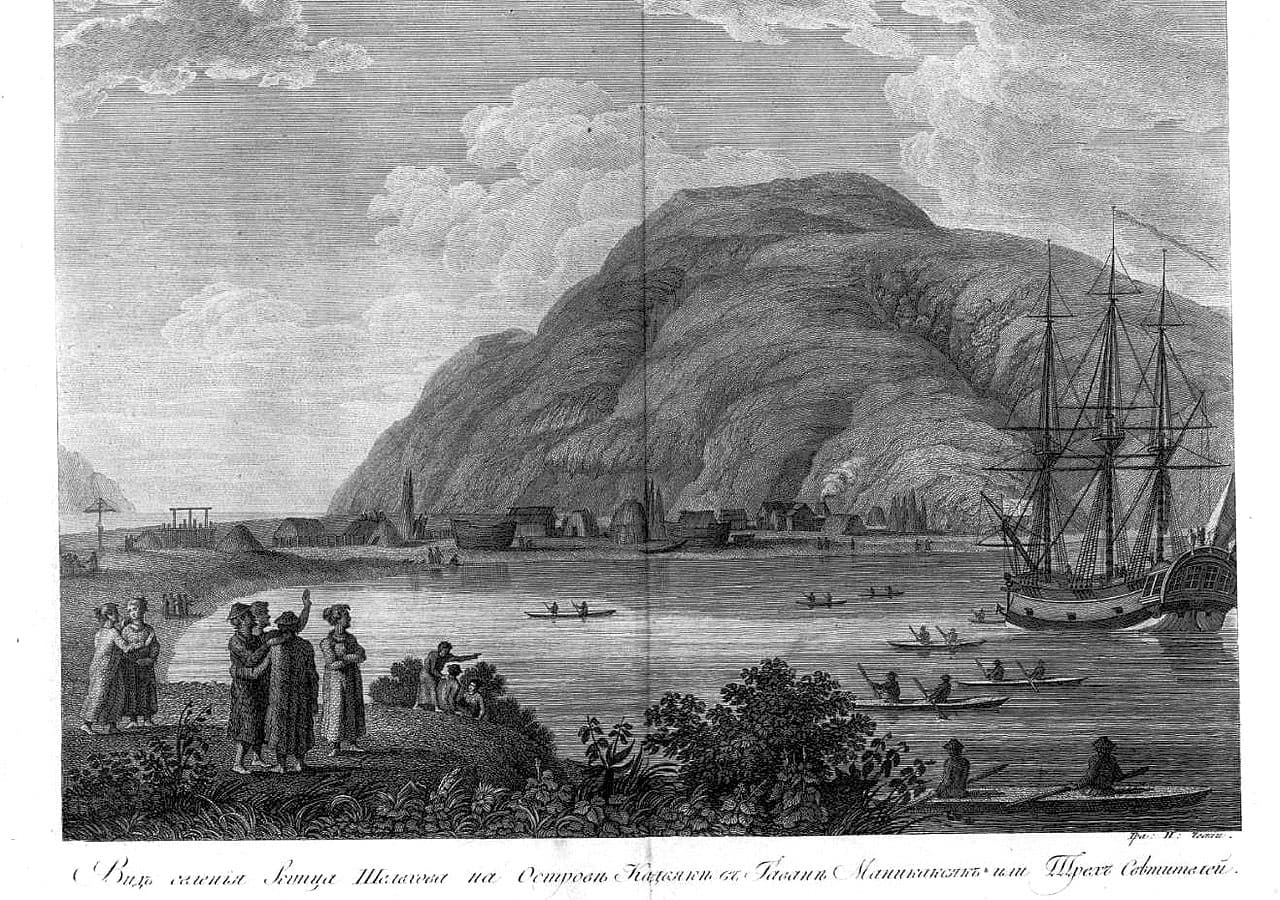
Three Saints Bay: Alaska’s First Russian Settlement Site
Walk the remote shores of Kodiak Island where Russia established its first permanent colony in North America in 1784.
17 August 2026
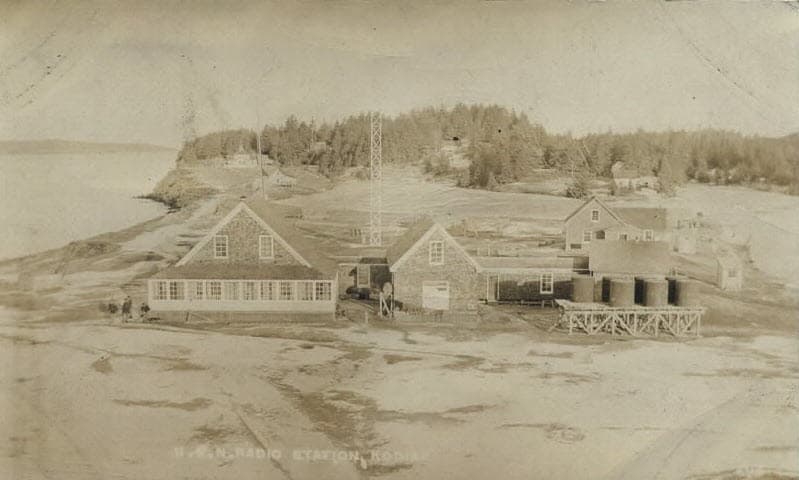
A compact island escape offering trails, beaches, and abundant marine life just minutes from Kodiak.
Woody Island sits in Chiniak Bay, a short distance from Kodiak city, offering an accessible slice of Alaska’s coastal wilderness without requiring multi-day expeditions. Its mix of spruce forest, rocky beaches, and protected coves creates habitat for bald eagles, harbor seals, sea otters, and seasonal salmon runs that attract both anglers and photographers.
Most travelers reach Woody Island by water taxi or small boat from Kodiak’s St. Paul Harbor or Near Island boat ramps. The crossing takes roughly twenty to forty minutes depending on tides and weather. Floatplane charters provide an alternative for those wanting aerial views of the surrounding bays and glaciers. Private vessels can anchor in the sheltered coves on the island’s west side, but visitors should consult current nautical charts and local tide tables before departure.
Late May through early September brings the longest daylight, calmest seas, and peak wildlife activity. July and August offer the warmest water temperatures for kayaking and the strongest salmon runs. Shoulder months of May and September still provide good conditions with fewer visitors, though rain and wind become more frequent. Winter visits are possible for experienced locals but involve shorter days and rougher crossings.
Hiking trails cross the island’s low ridge, leading to gravel beaches where visitors can beachcomb for shells and sea glass. Kayakers launch from protected coves to paddle along the shoreline, watching for otters and seabirds. Fishing from shore or small boats targets halibut and rockfish in the surrounding waters. Picnicking is popular at established clearings; visitors should pack out all waste. Birders often spot nesting eagles and migrating shorebirds in spring and fall.
After returning to Kodiak, many extend their trip to Fort Abercrombie State Historical Park for World War II history or to the Kodiak National Wildlife Refuge visitor center for bear-viewing information. Day cruises to nearby Long Island or the Trinity Islands add further marine wildlife sightings without leaving the borough.
Keep reading
Walk the remote shores of Kodiak Island where Russia established its first permanent colony in North America in 1784.
Water-taxi crossings typically last twenty to forty minutes, though rough weather or strong tides can extend travel time.
Primitive camping is allowed in designated areas, but there are no facilities; visitors must bring all supplies and pack out waste.
Bald eagles, harbor seals, sea otters, and various seabirds are frequent year-round; salmon and halibut appear seasonally.
The short boat ride and relatively flat trails make it family-friendly, but parents should supervise closely near steep drop-offs and cold water.
Parts of the island fall under state or refuge management; check current land-use rules and avoid disturbing nesting birds or marine mammals.
Experience the rugged solitude, abundant wildlife, and pristine shores of Sitkinak Island far off Alaska’s mainland.
Explore the rugged beaches, seal colonies, and seabird rookeries of this uninhabited island southwest of Kodiak.