Discovering Sitkalidak Island
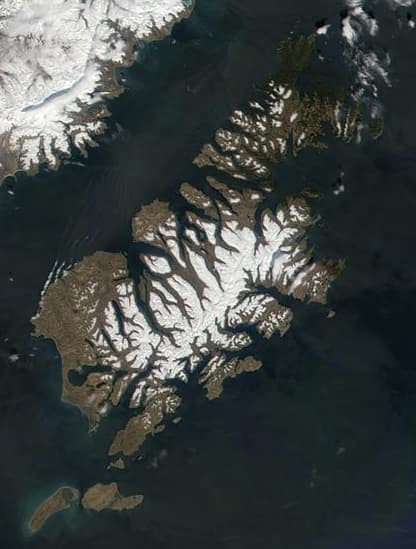
Sitkalidak Island lies in the Kodiak Archipelago, separated from Kodiak Island by the narrow Sitkalidak Strait. Its steep, forested slopes and rocky coastline create a wild landscape shaped by Pacific storms and rich marine ecosystems. The island remains lightly developed, preserving habitat for brown bears, sea otters, harbor seals, and seabirds that nest on offshore cliffs.
Getting There
Most visitors reach Sitkalidak by boat from the community of Old Harbor on Kodiak Island. Float planes can also land in protected coves when weather permits. Travel requires advance planning because no regular ferry service exists and weather in the Gulf of Alaska changes quickly. Local boat operators in Old Harbor provide the most reliable crossings.
What to See and Do
Wildlife Viewing
Early morning and evening hours offer the best chances to spot brown bears foraging along salmon streams. Kayakers can paddle sheltered bays where sea otters raft and harbor seals haul out on rocky islets. Bring binoculars for puffins, murres, and kittiwakes nesting on sheer cliffs.
Hiking and Exploration
Trails are informal and often follow old Alutiiq paths or beach ridges. Hikers should expect dense alder thickets and muskeg that slow progress. Coastal walks reveal tide pools teeming with starfish, anemones, and crabs at low tide.
Cultural Heritage
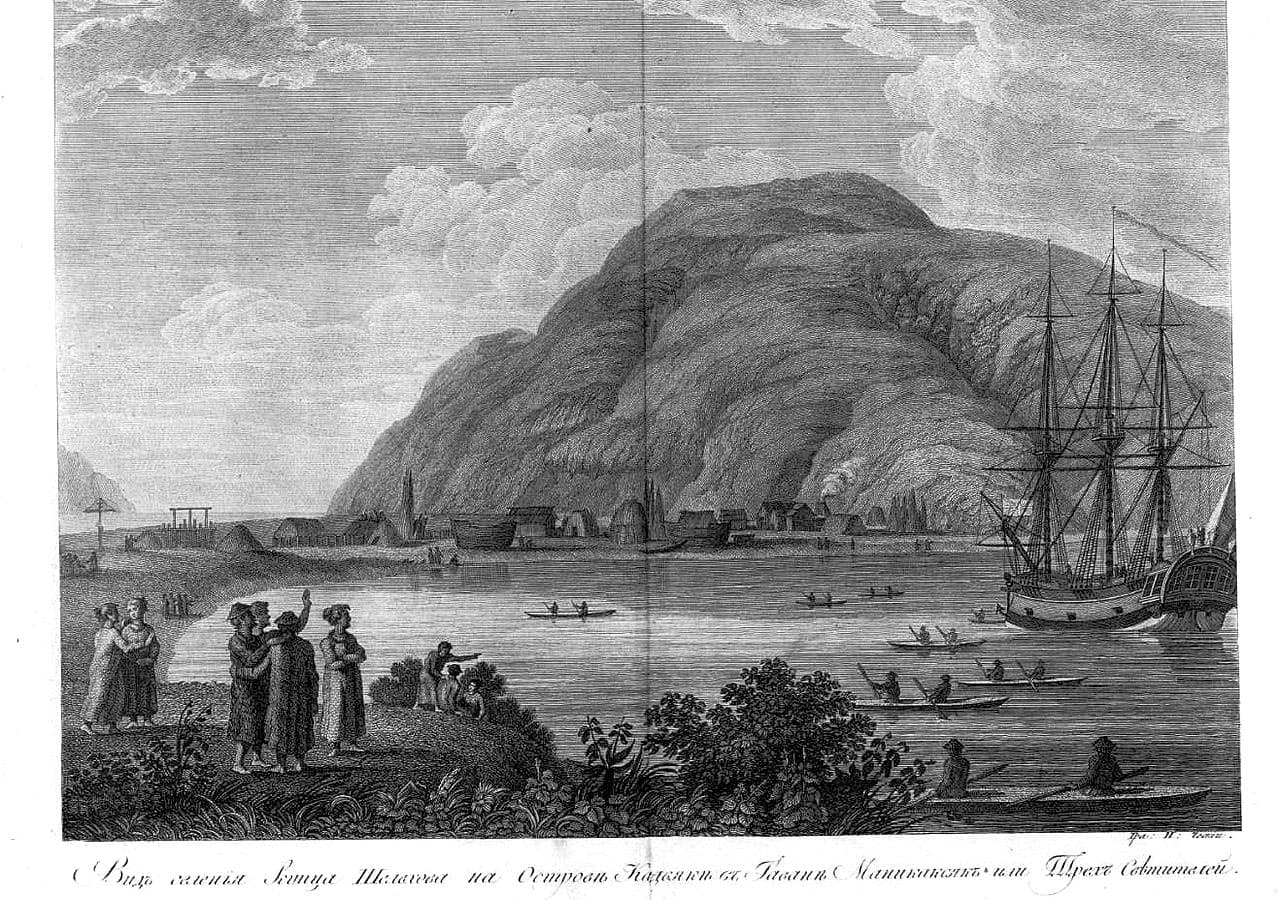
Archaeological sites on Sitkalidak document thousands of years of Alutiiq occupation. Visitors may see remnants of ancient village sites and fish weirs, though all artifacts must remain undisturbed under state and federal protections.
Best Time to Visit
Late spring through early fall provides the longest daylight and mildest temperatures for outdoor activities. July and August bring peak salmon runs that attract bears, while shoulder months of May and September offer fewer insects and calmer seas. Winter travel is possible but demands specialized cold-weather gear and experience with extreme conditions.
Nearby Places Worth Exploring
Old Harbor on Kodiak Island serves as the main gateway and offers basic services. Further afield, the Kodiak National Wildlife Refuge protects vast brown-bear country on the main island. Afognak Island to the north features additional sea-kayaking routes and old-growth forest.