Why Visit Sitkinak Island
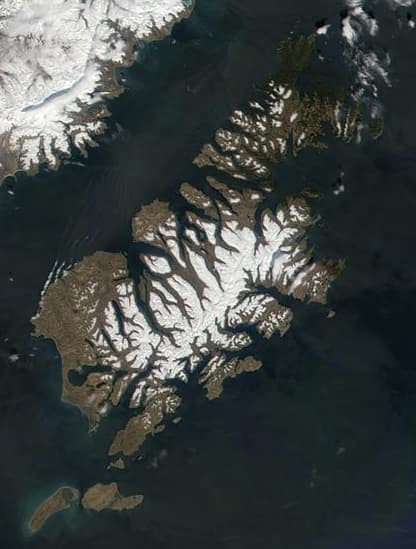
Sitkinak Island lies at the southern edge of the Kodiak Archipelago, offering visitors a true slice of untouched Alaskan wilderness. Its steep, grassy hills, rocky beaches, and sheltered coves support dense populations of seabirds, marine mammals, and brown bears that roam freely across the landscape. Because the island remains roadless and largely uninhabited, travelers encounter an environment shaped almost entirely by nature rather than people.
Getting There
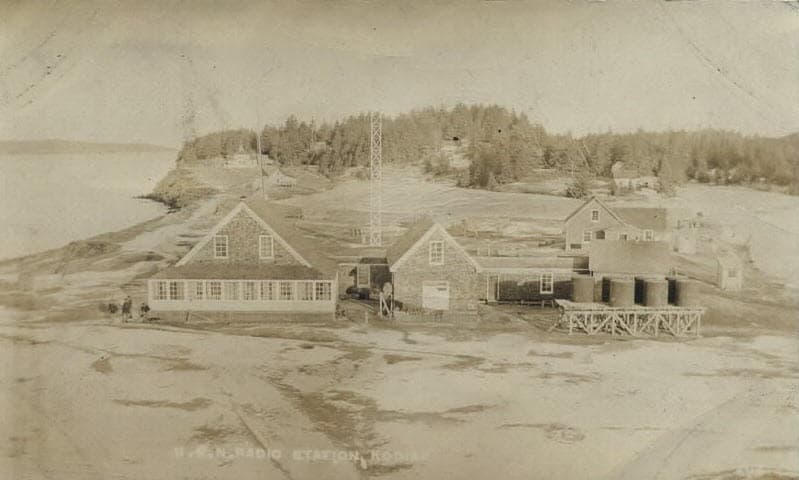
Most visitors reach Sitkinak by floatplane or charter boat from Kodiak Island, roughly 50 miles to the northeast. Scheduled air service is nonexistent, so arrangements must be made through local operators who know the tidal and weather patterns of the region. Once on the island, movement is by foot along beaches or faint game trails; no trails are maintained and no facilities exist for refueling or repairs.
What to See and Do
Wildlife viewing dominates most itineraries. Brown bears frequent the salmon streams in late summer, while harbor seals and sea otters haul out on offshore rocks. Seabird colonies on the cliffs provide excellent opportunities for photography from the waterline. Beachcombing yields Japanese fishing floats and occasional pieces of driftwood sculpted by winter storms. Kayakers can explore narrow passages between Sitkinak and nearby Tugidak Island when weather permits. Anglers find productive halibut and rockfish grounds just offshore, though all fishing follows Alaska Department of Fish and Game regulations.
Best Time to Visit
July through early September offers the longest daylight hours and the mildest temperatures, though fog and sudden rain squalls remain common. Earlier visits in May and June can coincide with peak seabird nesting activity, while late September brings the first autumn storms that can strand travelers for days. Winter travel is possible only for those equipped for extreme conditions and short daylight.
Nearby Destinations
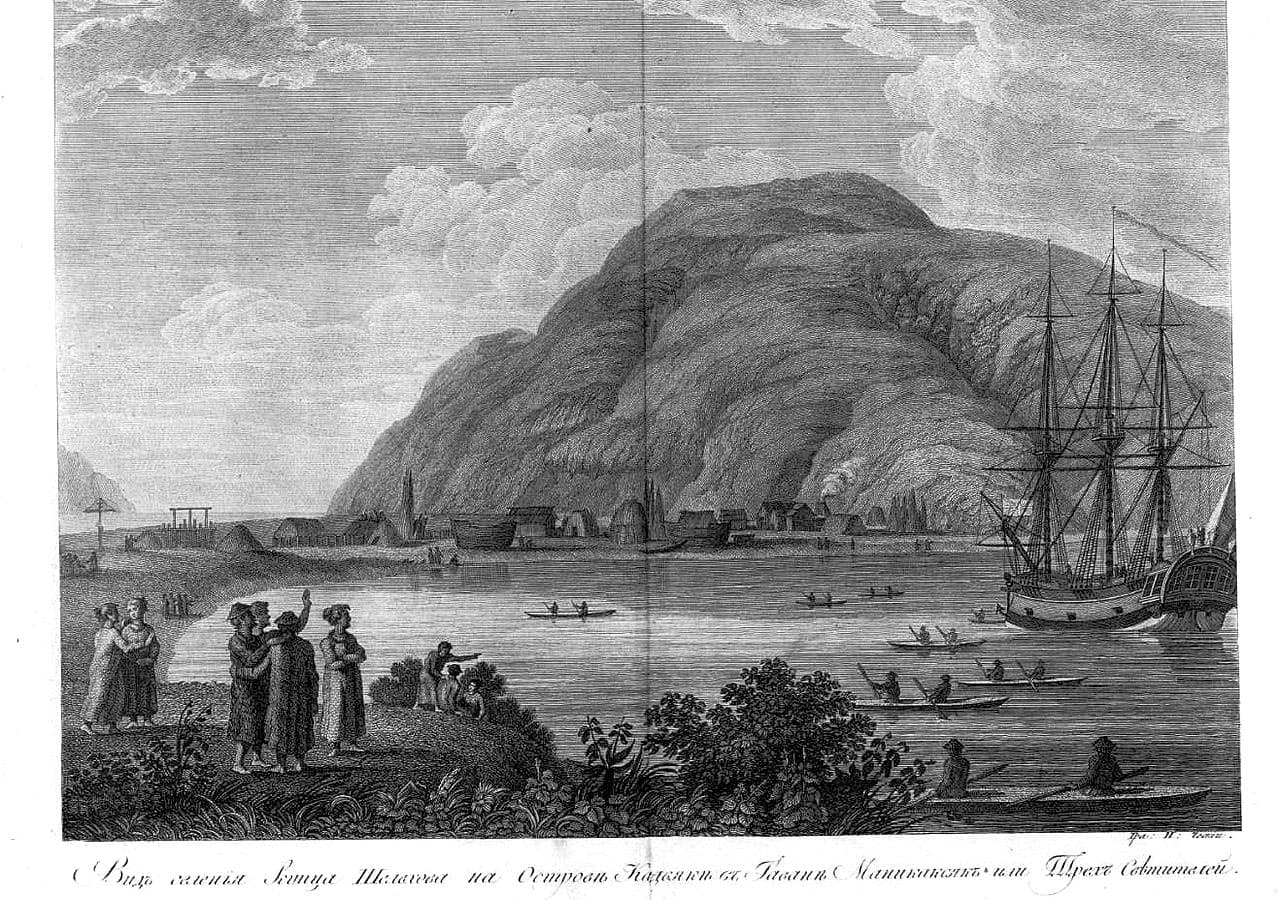
After time on Sitkinak, many travelers continue to the larger Kodiak Island for visits to the Kodiak National Wildlife Refuge or the historic Russian settlement at Kodiak city. Tugidak Island to the southwest offers additional sea-kayaking routes and a massive harbor-seal haul-out. These neighboring islands share the same remote character yet provide slightly different terrain and wildlife concentrations.