Why Visit St. Matthew Island
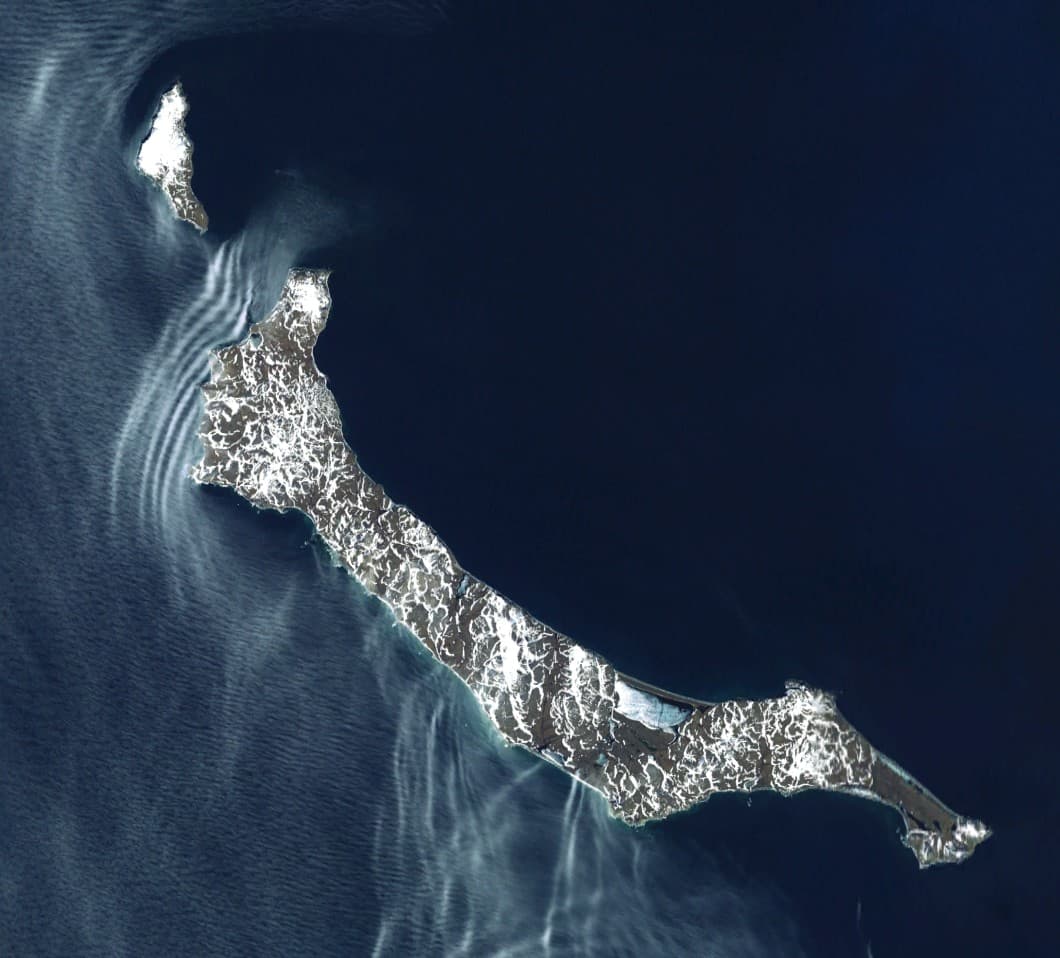
St. Matthew Island lies deep in the Bering Sea, roughly 200 miles from the nearest mainland, offering visitors one of the most remote and pristine natural environments in the United States. As part of the Alaska Maritime National Wildlife Refuge, the island remains free of permanent human settlement and commercial development, preserving vast stretches of coastal tundra, rocky cliffs, and sheltered bays. The isolation creates exceptional opportunities to observe wildlife that rarely encounters people, including enormous colonies of seabirds and marine mammals that thrive in the nutrient-rich waters surrounding the island.
Wildlife and Natural Attractions
Seabird colonies dominate the landscape during the breeding season, with northern fulmars, black-legged kittiwakes, and common murres nesting in dense numbers along sheer cliffs. Arctic foxes patrol the tundra in search of eggs and lemmings, while harbor seals and Steller sea lions haul out on rocky beaches. The island’s history includes a famous reindeer population introduced in the early twentieth century that later collapsed, leaving behind a landscape shaped by both natural cycles and human intervention. Walks across the island reveal dramatic contrasts between lush green meadows and windswept ridges overlooking the open sea.
Getting There
Access requires careful planning because no scheduled commercial service exists. Most travelers fly first to Nome or the Pribilof Islands, then arrange charter boats or small aircraft for the final leg. Expeditions typically combine St. Matthew with nearby Hall Island and Pinnacle Island, allowing several days of exploration within the refuge boundaries. Weather and sea conditions dictate all movements, so flexible itineraries are essential.
Best Time to Visit
The brief summer window from June through early September provides the most favorable conditions for travel and wildlife viewing. During these months, days are long, seabirds are active at breeding colonies, and wildflowers carpet the tundra. Outside this period, pack ice and severe storms make visits impractical for all but scientific teams.
Nearby Destinations
St. Matthew forms part of a chain of remote islands that includes the Pribilof Islands to the southeast and St. Lawrence Island farther north. Travelers often combine a visit with stops at St. Paul or St. George for additional seabird and fur seal viewing, creating a longer Bering Sea itinerary focused on Alaska’s offshore wildlife refuges.