Skip to content
Plan & Tour
DestinationsItinerariesTravel BlogAboutContact
0Sign inPlan a trip
Plan & TourPlan & Tour

Travel guides, destination inspiration and curated itineraries for Canada, the USA and beyond, plus a free tool to plan your own day-by-day trip.

Get travel inspiration

Explore

  • All Destinations
  • Curated Itineraries
  • Travel Blog
  • Plan a Trip

Topics

  • Hiking & Nature
  • Food & Drink
  • City Breaks
  • Budget Travel

Company

  • About Us
  • Contact
  • Privacy Policy
  • Terms of Service

© 2026 Plan & Tour. Built for travellers.

Discover the world, one trip at a time.

Hall Island, Alaska: Remote Bering Sea Wilderness
  1. Home
  2. Destinations
  3. Alaska
  4. Hall Island, Alaska: Remote Bering Sea Wilderness
Island

Hall Island, Alaska: Remote Bering Sea Wilderness

A rugged, uninhabited island offering unparalleled wildlife viewing in Alaska's far northern waters.

AlaskaUpdated 15 August 2026

Introduction to Hall Island

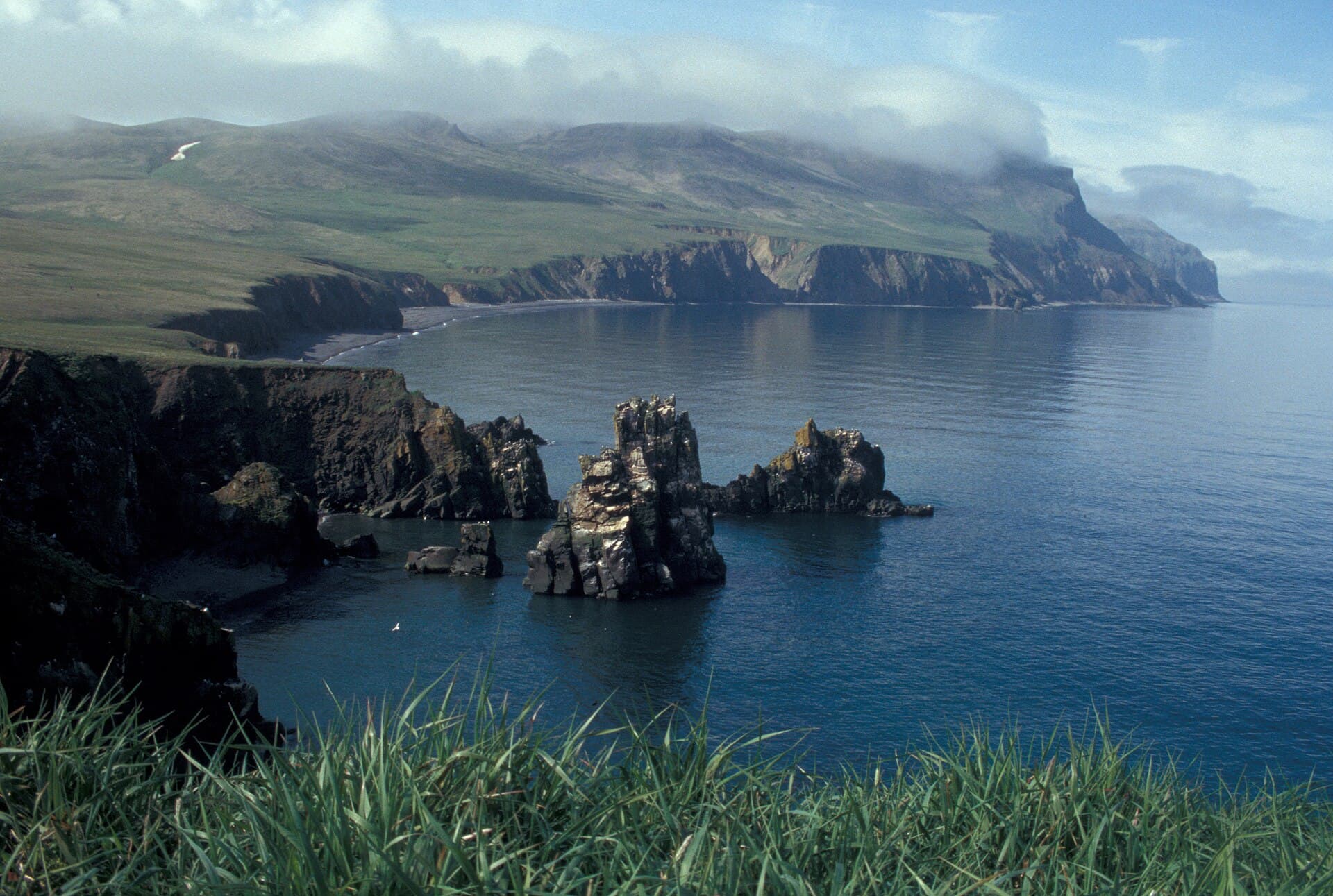
Hall Island lies in the Bering Sea off Alaska’s western coast, part of the Alaska Maritime National Wildlife Refuge. This small, treeless island features steep cliffs, rocky shores, and tundra that support large seabird colonies and marine mammals. Its isolation preserves a pristine Arctic environment rarely seen by visitors.

Wildlife and Natural Attractions

Millions of seabirds nest on the cliffs each summer, including murres, kittiwakes, and puffins. Arctic foxes patrol the tundra, while walruses and seals haul out on surrounding beaches. The surrounding waters host whales during migration seasons. Hikers can explore interior trails for panoramic views and close-up observation of nesting sites without disturbing the animals.

Best Time to Visit

June through early September offers the most accessible conditions, with 24-hour daylight and peak bird activity. Winter visits are nearly impossible due to ice and storms. Shoulder months in May and late September provide fewer crowds but require extra preparation for variable weather.

How to Get There

Commercial access begins with flights to Gambell on nearby St. Lawrence Island. From Gambell, charter boats or small aircraft reach Hall Island. Independent travel demands permits from the U.S. Fish and Wildlife Service and coordination with local Yupik communities. Most visitors join multi-day expedition cruises that include Hall Island as a stop.

Nearby Destinations

St. Lawrence Island offers cultural experiences in the villages of Gambell and Savoonga. Further afield, St. Matthew Island and the Pribilof Islands provide similar seabird spectacles. The Bering Sea marine ecosystem connects these sites for extended wildlife tours.

Practical Considerations for Visitors

Travelers must pack layered clothing, waterproof gear, and binoculars. No facilities exist on the island, so all supplies, including water and waste management, must be carried in and out. Respect for wildlife and cultural sites is essential; guided tours ensure minimal impact.

Visitor tips

  • Book expedition cruises or local charters well in advance, as access depends on weather and limited operators from Gambell.
  • Obtain required refuge permits and check current conditions with the Alaska Maritime National Wildlife Refuge before travel.
  • Pack for extreme weather changes and bring all supplies; no services or shelters exist on the island.

Frequently asked questions

Is Hall Island open to the public year-round?+

Access is effectively limited to summer months due to sea ice and severe weather the rest of the year.

What permits do I need to visit Hall Island?+

Visitors require a permit from the U.S. Fish and Wildlife Service plus coordination with local communities on St. Lawrence Island.

Can I camp on Hall Island?+

Primitive camping is possible with proper leave-no-trace practices, but all supplies and waste must be transported by visitors.

Are there any facilities or trails on the island?+

There are no maintained facilities or marked trails; exploration is on foot across tundra and along shorelines.

How close can I get to the wildlife?+

Stay on established paths and maintain respectful distances from nesting birds and marine mammals to avoid disturbance.

Share
Google Maps Apple Maps Directions

Image: Anne Morkill, USFWS · Public domain · via Wikimedia Commons

Keep reading

Nearby & related

All stories
Raspberry Island, Alaska: Wildlife and Wilderness in the Kodiak Archipelago
Alaska

Raspberry Island, Alaska: Wildlife and Wilderness in the Kodiak Archipelago

This remote island in Alaska’s Kodiak Archipelago delivers exceptional brown-bear viewing, rugged hiking, and quiet…

15 August 2026
Fairway Rock: Birdwatching on Alaska’s Remote Bering Strait Islet
Alaska

Fairway Rock: Birdwatching on Alaska’s Remote Bering Strait Islet

This uninhabited rocky outcrop in the Bering Strait draws adventurous naturalists for its dense seabird colonies and…

15 August 2026
Hinchinbrook Island: Remote Wilderness in Alaska’s Prince William Sound
Alaska

Hinchinbrook Island: Remote Wilderness in Alaska’s Prince William Sound

Explore pristine trails, abundant marine life, and untouched forests on this rugged island accessible only by boat or…

15 August 2026