Why Visit the Buckland River
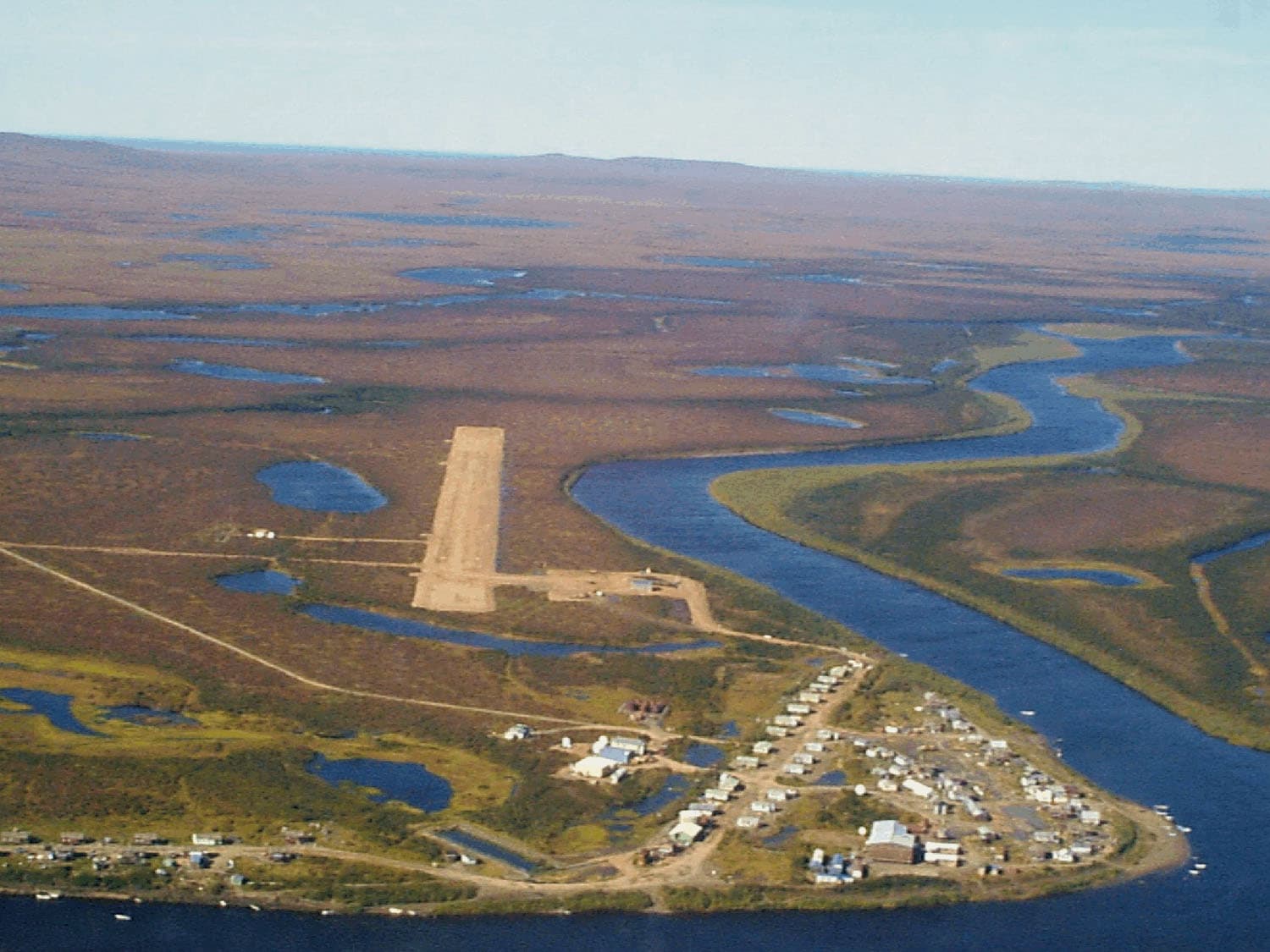
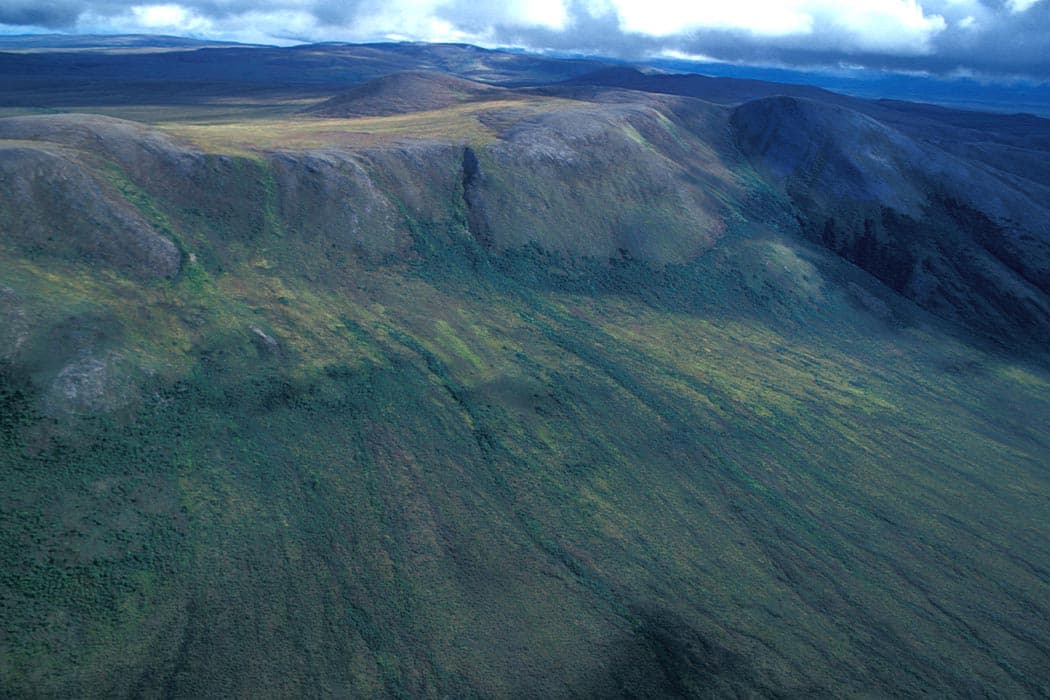
The Buckland River winds through remote tundra and hills in Alaska’s Northwest Arctic Borough, offering visitors a true wilderness experience far from roads or crowds. Its clear waters support strong salmon runs and attract abundant wildlife including caribou, moose, and grizzly bears. Inupiat communities have fished these waters for generations, adding cultural depth to any trip.
Getting There
Access begins with a commercial flight to Kotzebue, the regional hub. From Kotzebue, travelers arrange bush-plane charters or boat transport south to the river mouth near the village of Buckland. Most visitors continue upstream by canoe, kayak, or motorboat, as no roads reach the river corridor. Plan logistics carefully through local outfitters, since weather can delay flights and river conditions change quickly.
What to See and Do
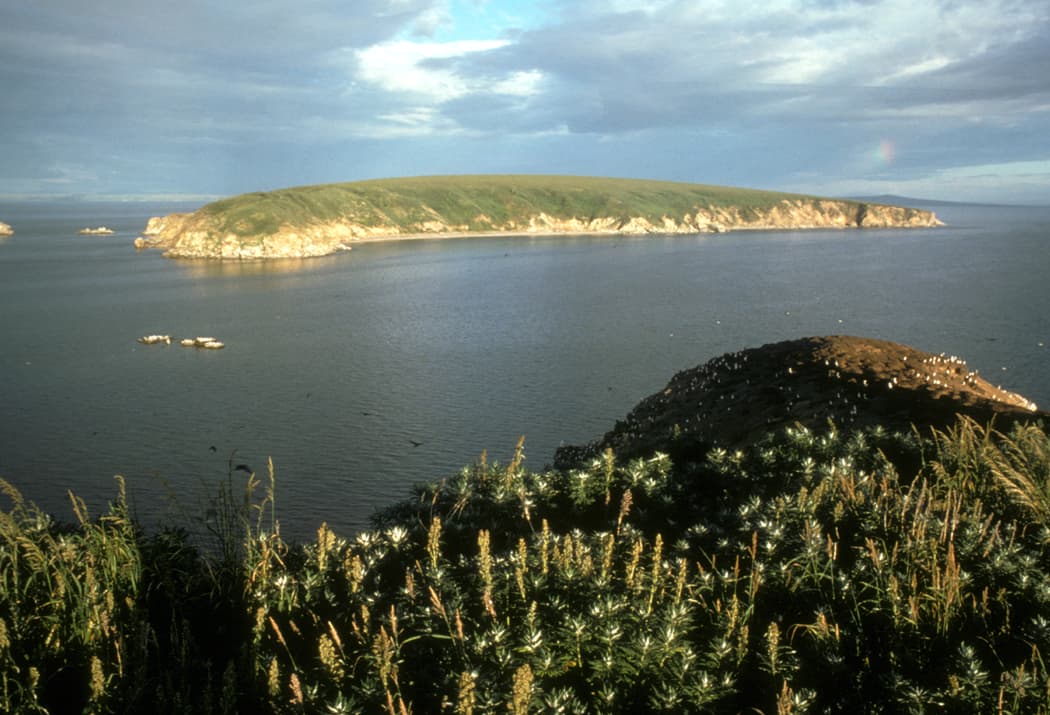
Anglers target chum and king salmon in summer, with opportunities for grayling and Dolly Varden in tributaries. Float trips from the upper river to the mouth reveal dramatic bluffs, gravel bars ideal for camping, and sweeping tundra views. Wildlife viewing peaks during caribou migration periods, while birdwatchers spot migratory waterfowl along the estuary. Guided cultural tours from Buckland village provide insight into traditional subsistence practices still central to local life.
Best Time to Visit
June through August brings the mildest temperatures, longest daylight, and active salmon runs. Early summer offers fewer insects but higher water levels; late summer provides calmer fishing conditions. Winter travel is possible only for experienced cold-weather adventurers using snowmachines or dogsleds.
Nearby Places Worth Exploring
The small Iñupiat village of Buckland lies near the river mouth and serves as a cultural gateway. Further afield, the Kobuk River and Selawik National Wildlife Refuge offer additional paddling and wildlife opportunities within the same remote Arctic ecosystem.