Why Visit St. Lawrence Island
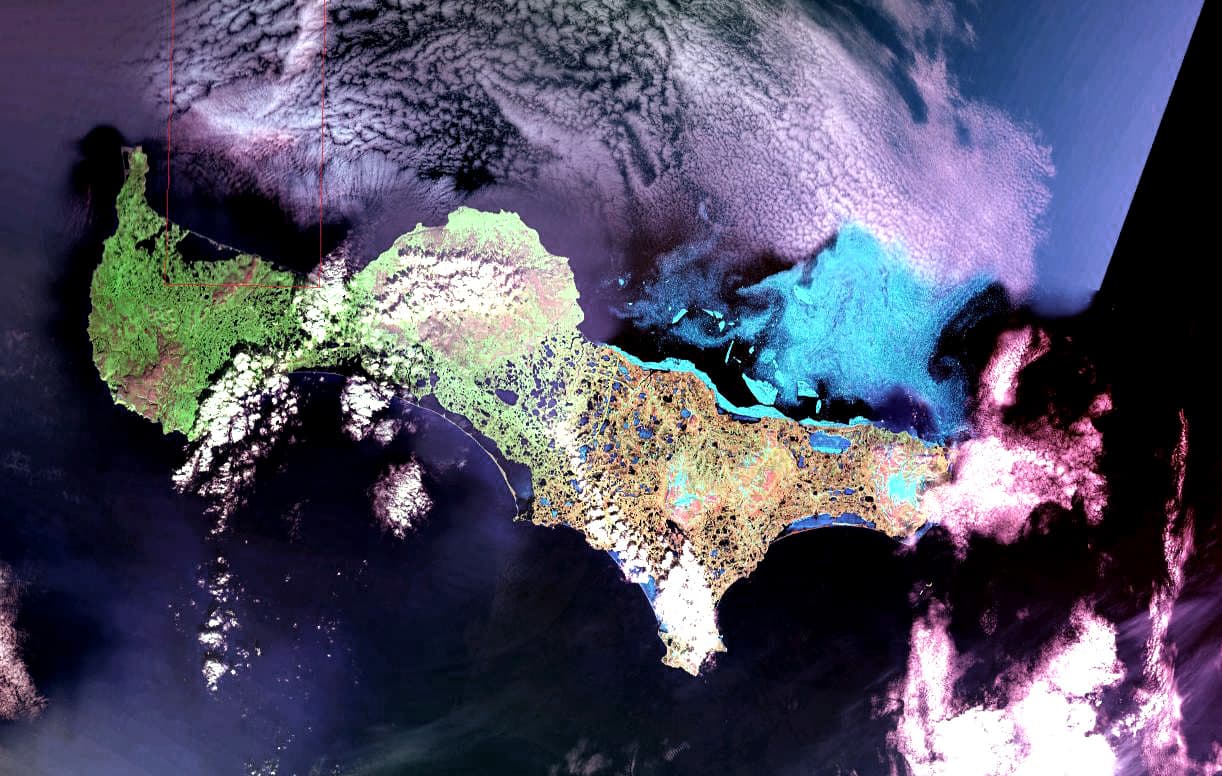
St. Lawrence Island lies far out in the Bering Sea, roughly 120 miles west of mainland Alaska and closer to Russia than to the North American continent. Its treeless tundra, dramatic sea cliffs, and two small Yupik villages offer travelers a rare chance to witness intact indigenous traditions alongside one of North America’s richest seabird colonies.
Getting There
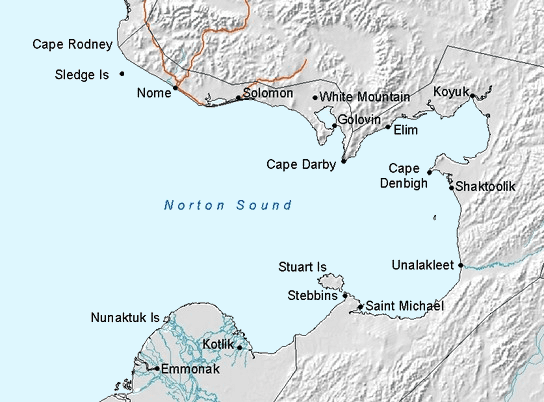
Access begins with a flight to Nome on Alaska’s Seward Peninsula. From Nome, scheduled air service continues to the island’s two communities, Gambell on the northwest tip and Savoonga on the north shore. Both villages maintain gravel airstrips served by small aircraft; weather often dictates delays, so flexible itineraries are essential. Once on the island, movement between Gambell and Savoonga requires local arrangement, usually by boat or snowmachine depending on season.
Best Time to Visit
June through early September brings the mildest temperatures, longest daylight, and open water that concentrates marine mammals and nesting seabirds. July offers peak auklet and puffin activity on the cliffs. Winter travel is possible but demands extreme preparation and local knowledge of sea-ice conditions.
Things to See and Do
Wildlife Viewing
The island’s western cliffs host millions of nesting seabirds each summer, including crested auklets, least auklets, and thick-billed murres. Walrus haul-outs occur on nearby beaches; visitors observe from a respectful distance to avoid disturbance. Gray whales migrate past the island in spring and fall.
Cultural Experiences
Gambell and Savoonga preserve centuries-old subsistence practices. Local residents welcome respectful visitors who arrange guided walks to ancient village sites or demonstrations of ivory carving and skin-boat construction. Archaeological deposits dating back 2,000 years lie exposed along the shores.
Hiking and Exploration
Low-impact hiking across the tundra reveals wildflowers, reindeer herds, and panoramic ocean views. The island’s highest point, Atuk Mountain, provides a modest but rewarding climb from Savoonga.
Nearby Destinations
From Nome, travelers often combine a St. Lawrence Island visit with excursions to the Bering Land Bridge National Preserve or day trips to Little Diomede Island when ice conditions allow. The island itself remains the primary draw for those seeking genuine remoteness.