Why Shemya Stands Apart
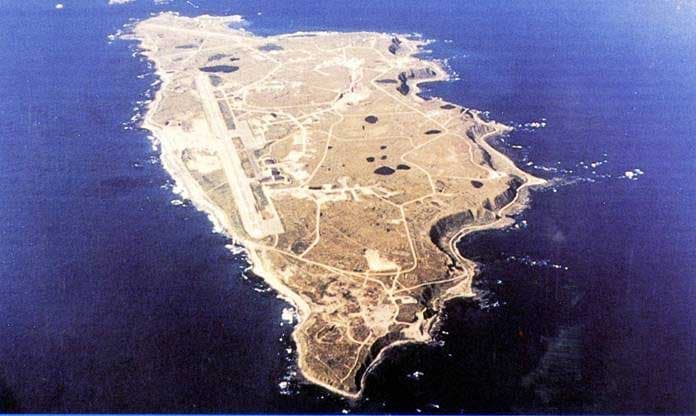
Shemya Island lies at the far western end of Alaska’s Aleutian chain, part of the Near Islands group. Its position delivers unbroken views across the North Pacific and places it closer to Russia than to the Alaskan mainland. The island’s treeless tundra, constant wind, and frequent fog create an environment unlike anywhere else in the United States.
Historical Layers
During World War II, Shemya served as a forward air base supporting operations against Japanese forces on nearby Attu and Kiska. Concrete revetments, runways, and radar foundations remain visible across the landscape. These structures illustrate the logistical challenges of fighting in the Aleutians and give context to the islands’ strategic role in North Pacific defense.
Nature and Wildlife
The surrounding waters and cliffs host large colonies of seabirds including tufted puffins, black-legged kittiwakes, and northern fulmars. Sea otters and harbor seals frequent the rocky shores, while Arctic foxes patrol the interior. Spring and fall migrations bring additional species that use Shemya as a resting stop on the Pacific flyway.
Reaching the Island
Access requires prior authorization from Eareckson Air Station. Most civilian visitors arrive aboard chartered aircraft from Anchorage or Adak that land on the island’s long runway. No regular commercial service exists, so trips are typically arranged through specialized Alaska outfitters or scientific expeditions. Once on the ground, movement is limited to designated areas to respect active military operations.
Best Time to Visit
July and August offer the longest daylight and mildest temperatures, though rain and wind remain common. These months coincide with peak seabird activity and the best window for outdoor exploration. Winter visits are rare because of severe storms and reduced flight reliability.
Nearby Destinations
Attu Island, 200 miles farther west, contains the only World War II battlefield on U.S. soil and is accessible only by boat or specialized charter. The marine environment between the two islands supports whales and abundant fish populations that attract dedicated anglers and naturalists.