Skip to content
Plan & Tour
DestinationsItinerariesTravel BlogAboutContact
0Sign inPlan a trip
Plan & TourPlan & Tour

Travel guides, destination inspiration and curated itineraries for Canada, the USA and beyond, plus a free tool to plan your own day-by-day trip.

Get travel inspiration

Explore

  • All Destinations
  • Curated Itineraries
  • Travel Blog
  • Plan a Trip

Topics

  • Hiking & Nature
  • Food & Drink
  • City Breaks
  • Budget Travel

Company

  • About Us
  • Contact
  • Privacy Policy
  • Terms of Service

© 2026 Plan & Tour. Built for travellers.

Discover the world, one trip at a time.

Attu Island: The Westernmost Point of the United States
  1. Home
  2. Destinations
  3. Aleutians West Census Area
  4. Attu Island: The Westernmost Point of the United States
Island

Attu Island: The Westernmost Point of the United States

Explore Alaska’s remote Aleutian outpost known for its World War II history, seabird colonies, and dramatic subarctic landscapes.

Aleutians West Census AreaUpdated 13 August 2026

Why Visit Attu Island

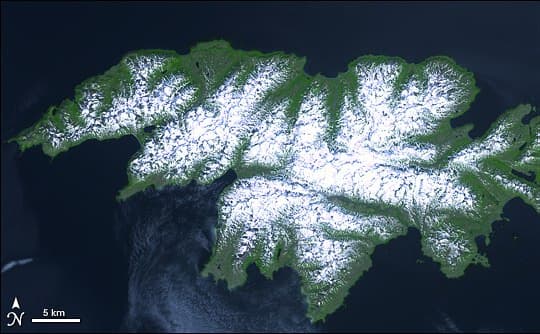
Attu Island sits at the far western end of the Aleutian chain, marking the westernmost point of the United States. Its isolation has preserved both dramatic natural scenery and poignant reminders of the 1943 Battle of Attu, the only World War II land battle fought on North American soil. Today the island forms part of the Alaska Maritime National Wildlife Refuge, offering visitors a rare chance to stand at the edge of the continent amid treeless tundra, steep volcanic slopes, and fog-shrouded bays.

Getting There

Access is limited and requires advance planning. Most travelers fly from Anchorage to Adak or Dutch Harbor, then join a chartered vessel or small-plane expedition that continues westward. Weather frequently cancels flights and boat departures, so build flexibility into any itinerary. No commercial ferry service reaches Attu, and private vessels must obtain permits from the U.S. Fish and Wildlife Service before landing.

What to See and Do

Key sites include Massacre Bay and the surrounding ridges where remnants of Japanese and American fortifications remain visible. Birders seek out breeding colonies of whiskered auklets, rock sandpipers, and Aleutian terns along the rugged coastline. Hiking trails lead to the summit of Attu’s highest peaks for sweeping views of the North Pacific. Anglers may target Dolly Varden char in clear streams, while photographers capture the ever-changing light over the Bering Sea. All activities must follow refuge regulations that prohibit disturbing historical artifacts or nesting birds.

Best Time to Visit

June through early September offers the mildest temperatures and longest daylight, coinciding with peak seabird activity. Winters bring constant gales and snow, rendering travel nearly impossible. Even in summer, expect frequent fog and rain; waterproof layers and sturdy boots are essential.

Nearby Places

From Attu, expedition boats sometimes continue to nearby Agattu or Semichi Islands for additional wildlife viewing. Returning travelers often stop at Adak to explore its abandoned military infrastructure and hot springs before flying back to mainland Alaska.

Visitor tips

  • Obtain a refuge landing permit well in advance and confirm all transport arrangements with operators experienced in Aleutian crossings.
  • Pack layered clothing, high-quality rain gear, and binoculars; sudden weather changes and strong winds are constant.
  • Respect all historical sites and nesting areasu2014removing artifacts or approaching birds too closely is prohibited and harms the islandu2019s fragile ecosystem.

Frequently asked questions

Do people live on Attu Island?+

No permanent residents remain. The last civilians left decades ago; the island is managed as part of a national wildlife refuge and visited only by researchers, occasional tour groups, and permitted vessels.

How long does it take to reach Attu from Anchorage?+

Total travel time varies from three to seven days depending on weather delays, with at least one flight to the western Aleutians followed by a multi-day boat or floatplane journey.

What kind of wildlife can I expect to see?+

Seabird colonies are the main draw, along with harbor seals, sea otters, and occasional Arctic foxes. Caribou and reindeer herds occasionally appear on neighboring islands but are rare on Attu itself.

Are there any facilities or lodging on the island?+

None. Visitors must be fully self-sufficient with tents, food, and water treatment; expedition cruises provide onboard accommodations but land time is limited.

Is Attu Island safe for independent travelers?+

Independent travel is strongly discouraged. Extreme weather, lack of rescue services, and strict refuge rules make guided expeditions the only practical option for most visitors.

Share
Google Maps Apple Maps Directions

Image: NASA image created by Jesse Allen, Earth Observatory, using ASTER data made available by NASA/GSFC/MITI/ERSDAC/JAROS, and U.S./Japan ASTER Science Team. Original uploader was Darwinek at en.wikipedia · Public domain · via Wikimedia Commons

Keep reading

Nearby & related

All stories
H
Aleutians West Census Area

Hammerhead Island: Remote Wilderness in Alaska’s Aleutian Chain

Experience the raw, windswept isolation and abundant marine wildlife of this uninhabited Aleutian island.

16 August 2026
L
Aleutians West Census Area

Little Kiska Island: Remote Aleutian Wilderness and WWII History

Discover the untouched landscapes, seabird colonies, and wartime relics of this isolated island in Alaska’s Aleutian…

16 August 2026
A
Aleutians West Census Area

Aziak Island: Remote Wilderness in Alaska’s Aleutian Chain

This isolated island in the central Aleutians delivers raw volcanic landscapes, seabird colonies, and true frontier…

16 August 2026