
Skip to content
Plan & Tour
DestinationsItinerariesTravel BlogAboutContact
0Sign inPlan a trip
Plan & TourPlan & Tour

Travel guides, destination inspiration and curated itineraries for Canada, the USA and beyond, plus a free tool to plan your own day-by-day trip.

Get travel inspiration

Explore

  • All Destinations
  • Curated Itineraries
  • Travel Blog
  • Plan a Trip

Topics

  • Hiking & Nature
  • Food & Drink
  • City Breaks
  • Budget Travel

Company

  • About Us
  • Contact
  • Privacy Policy
  • Terms of Service

© 2026 Plan & Tour. Built for travellers.

Discover the world, one trip at a time.

Kiska: Remote WWII History and Wild Aleutian Island Adventures
  1. Home
  2. Destinations
  3. Aleutians West Census Area
  4. Kiska: Remote WWII History and Wild Aleutian Island Adventures
Island

Kiska: Remote WWII History and Wild Aleutian Island Adventures

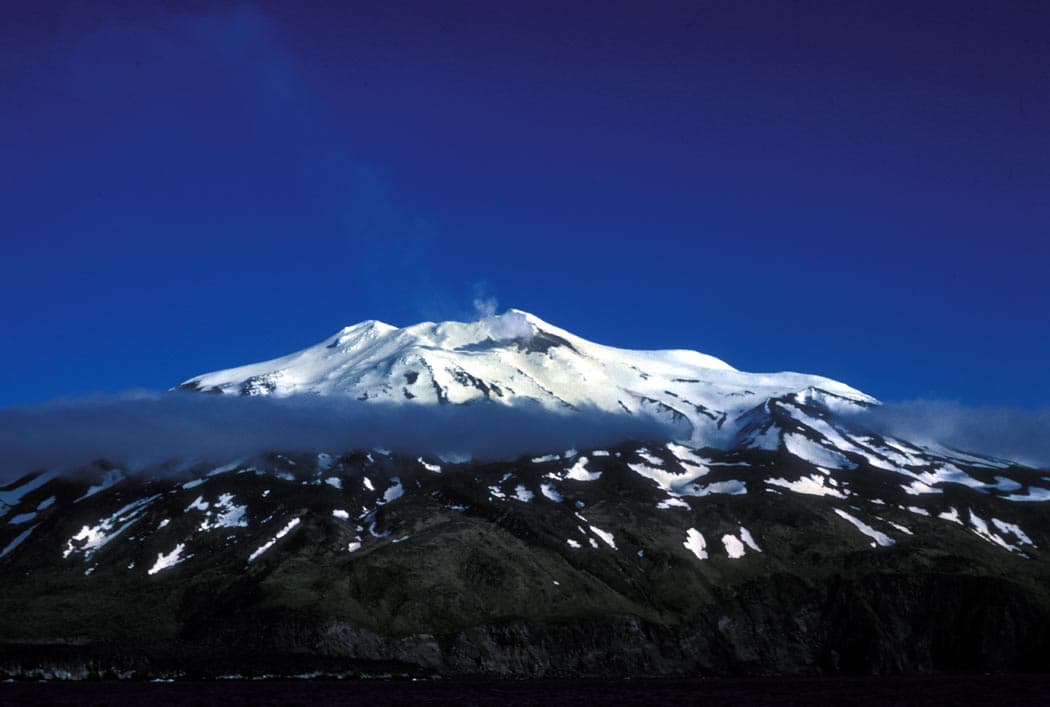
Kiska offers rare access to preserved WWII battlefields amid volcanic terrain and abundant seabird colonies in Alaska's westernmost islands.

Aleutians West Census AreaUpdated 13 August 2026

Why Visit Kiska

Kiska stands out among the Aleutian chain for its intact World War II landscape combined with dramatic volcanic slopes and rich marine life. The island’s isolation has protected both historic sites and wildlife habitats, creating an experience focused on rugged wilderness rather than developed attractions.

Historical Significance

Japanese forces occupied Kiska in 1942, establishing a base that included barracks, gun emplacements, and tunnels. American and Canadian troops retook the island in 1943 after intense fighting that left behind landing craft, aircraft wreckage, and extensive fortifications. These remnants remain visible along beaches and ridges because the island has stayed uninhabited since the war.

What to See

  • Scattered Japanese defensive positions and American landing sites along the southern coast
  • Volcanic craters and steam vents that shape the island’s interior terrain
  • Colonies of nesting seabirds on sheer cliffs during summer months
  • Sea otters and harbor seals visible in sheltered coves

Planning Your Visit

Travelers reach Kiska almost exclusively by expedition cruise or chartered vessel departing from Adak or Dutch Harbor. Independent visits are impractical due to the lack of infrastructure and extreme weather. Summer offers the longest daylight and calmest seas, though fog and wind remain common. Visitors should expect multi-day voyages with landings by Zodiac.

Practical Considerations

  • Strong boots and waterproof layers are essential for rocky, wet terrain
  • Wildlife viewing requires binoculars and quiet observation from marked areas
  • Photography of historic sites is permitted but nothing should be disturbed or removed

Nearby Islands and Extensions

Many voyages continue westward to Attu, the westernmost point of the United States, or stop at Amchitka for additional birdwatching. These islands share the same volcanic geology and military history, allowing a deeper exploration of the Aleutian theater without returning to mainland Alaska.

Visitor tips

  • Book passage only with operators experienced in Aleutian landings, as weather windows are unpredictable and can cancel visits with little notice.
  • Carry motion-sickness medication and layers for rapid temperature changes, since even summer conditions can drop below freezing with wind chill.
  • Review NOAA charts and refuge regulations in advance, as Kiska lies within the Alaska Maritime National Wildlife Refuge with strict access rules.

Frequently asked questions

How difficult is it to reach Kiska?+

Access requires joining a multi-day expedition cruise or private charter from Adak; commercial flights do not serve the island and independent boating is discouraged.

What is the best season for a Kiska trip?+

June through August provides the most reliable weather windows and active seabird colonies, though storms can occur any month.

Are there facilities or lodging on Kiska?+

No permanent facilities exist; all visitors must be self-sufficient and return to their vessel each day.

Can I hike independently on the island?+

Landings occur only with guided groups; solo exploration is not permitted due to unexploded ordnance and protected wildlife areas.

What wildlife can I expect to see?+

Nesting auklets, puffins, and kittiwakes line the cliffs while sea otters and harbor seals frequent the shoreline.

Share
Google Maps Apple Maps Directions

Image: US Fish & Wildlife Service · Public domain · via Wikimedia Commons

Keep reading

Nearby & related

All stories
Agattu Island: A Remote Wilderness Haven in Alaska’s Aleutians
Aleutians West Census Area

Agattu Island: A Remote Wilderness Haven in Alaska’s Aleutians

Experience the untouched tundra, seabird colonies, and stark beauty of Agattu, one of the western Aleutian Islands’ most…

13 August 2026
Atka Island: Remote Wilderness and Aleutian History in Alaska
Aleutians West Census Area

Atka Island: Remote Wilderness and Aleutian History in Alaska

Experience the rugged isolation, seabird colonies, and World War II remnants of this far-flung Aleutian island.

13 August 2026
Amchitka Island: Remote Wilderness and Cold War History in Alaska’s Aleutians
Aleutians West Census Area

Amchitka Island: Remote Wilderness and Cold War History in Alaska’s Aleutians

Explore the rugged, uninhabited Aleutian island shaped by volcanic forces, seabird colonies, and a legacy of nuclear…

13 August 2026