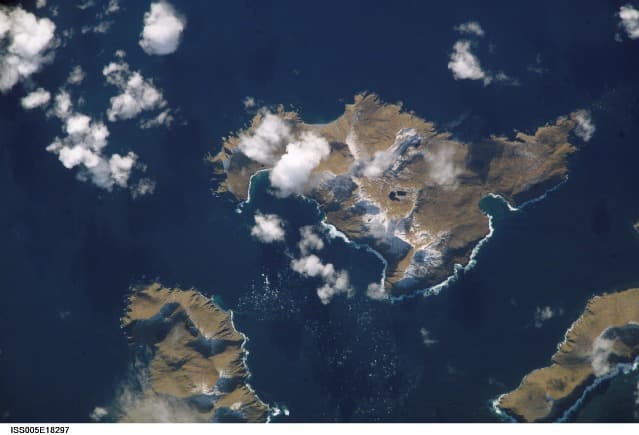
Why Visit Little Kiska Island
Little Kiska Island sits in the remote western Aleutians, offering visitors a rare chance to experience pristine subarctic wilderness far from crowds. Its rugged terrain, dramatic cliffs, and position within the Alaska Maritime National Wildlife Refuge make it a destination for those seeking solitude and natural history. The island’s isolation preserves both its ecological integrity and tangible links to World War II.
Historical Significance
During World War II, Japanese forces occupied nearby Kiska Island, and Little Kiska hosted outposts and defensive positions. Remnants such as rusted equipment, gun emplacements, and barracks foundations remain scattered across the landscape. These sites provide a somber reminder of the only World War II battle fought on North American soil. Visitors can explore these relics respectfully while learning about the Aleut people’s forced relocation and the fierce battles that followed.
Wildlife and Natural Features
The island supports large colonies of seabirds including puffins, murres, and kittiwakes that nest on sheer cliffs. Marine mammals such as harbor seals and sea otters frequent the rocky shores. Interior tundra supports hardy wildflowers in summer and provides habitat for migratory birds. The surrounding waters teem with fish and offer excellent opportunities for marine observation from a distance.
How to Reach Little Kiska Island
Access requires careful planning due to the island’s extreme remoteness. Most travelers fly to Adak or Dutch Harbor, then arrange boat charters or expedition cruises that include stops in the Rat Islands group. Weather dictates all schedules, and landings often occur via Zodiac or skiff on rocky beaches. Independent visits are rare; joining a guided natural-history or wildlife expedition is the most practical approach.
Best Time to Visit
June through early September offers the mildest weather, longest daylight, and peak bird activity. Winter brings fierce storms and near-constant darkness, making travel nearly impossible. Even in summer, expect frequent fog, rain, and strong winds that can change plans quickly.
Nearby Destinations
Just across a narrow channel lies Kiska Island, site of larger WWII battlefields and a Japanese occupation headquarters. Further afield, Buldir Island and other Rat Islands offer additional seabird colonies. Many expeditions combine several Aleutian stops, allowing travelers to experience the chain’s volcanic landscapes and rich marine life in one journey.