Skip to content
Plan & Tour
DestinationsItinerariesTravel BlogAboutContact
0Sign inPlan a trip
Plan & TourPlan & Tour

Travel guides, destination inspiration and curated itineraries for Canada, the USA and beyond, plus a free tool to plan your own day-by-day trip.

Get travel inspiration

Explore

  • All Destinations
  • Curated Itineraries
  • Travel Blog
  • Plan a Trip

Topics

  • Hiking & Nature
  • Food & Drink
  • City Breaks
  • Budget Travel

Company

  • About Us
  • Contact
  • Privacy Policy
  • Terms of Service

© 2026 Plan & Tour. Built for travellers.

Discover the world, one trip at a time.

Noatak National Preserve: Rafting Alaska’s Longest Undammed Arctic River
  1. Home
  2. Destinations
  3. Northwest Arctic Borough
  4. Noatak National Preserve: Rafting Alaska’s Longest Undammed Arctic River
Park

Noatak National Preserve: Rafting Alaska’s Longest Undammed Arctic River

Experience pristine wilderness, caribou migrations, and remote river travel in one of Alaska's most inaccessible national preserves.

Northwest Arctic BoroughUpdated 17 August 2026

Why Visit Noatak National Preserve

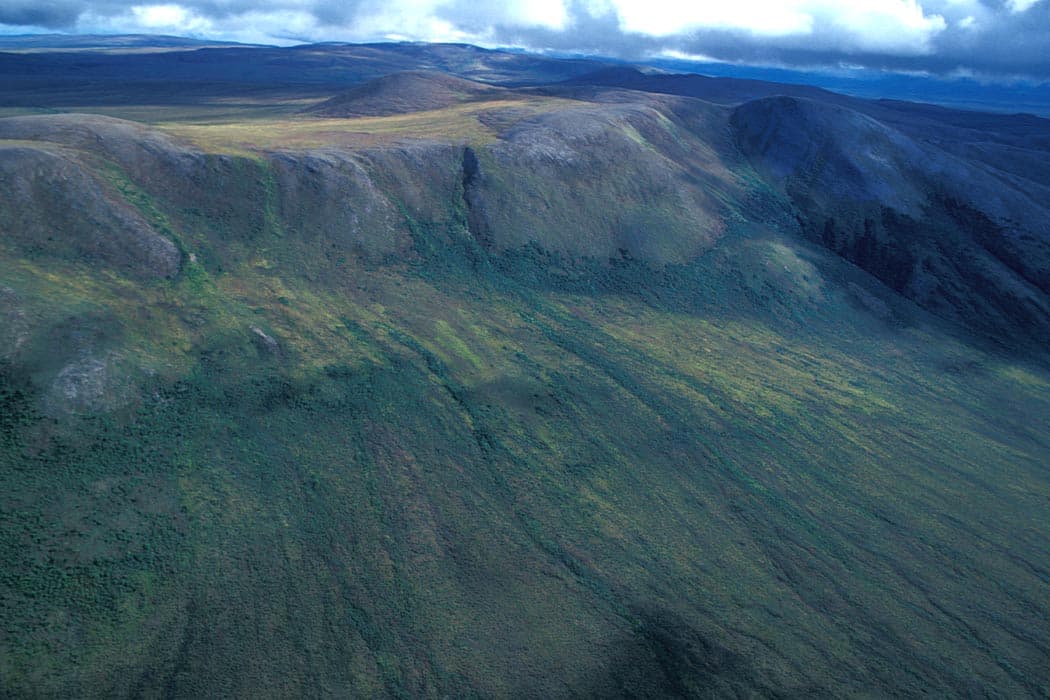
Noatak National Preserve protects a 6.5-million-acre swath of northwest Alaska centered on the Noatak River, one of the longest undammed rivers in the United States. The river flows 425 miles from the Brooks Range to the Chukchi Sea, crossing tundra, spruce forests, and dramatic canyons. Visitors come for solitude, wildlife viewing, and multi-day raft trips that pass through changing ecosystems with almost no human infrastructure.

Getting There

There are no roads into the preserve. Most travelers fly into Kotzebue on the Bering Sea coast, then take a bush plane to gravel strips at the river’s headwaters near Lake Matcharak or to the village of Noatak. Float trips typically begin at the headwaters and end near the village or at the river mouth, where boats or planes provide return transport. All access requires advance planning with licensed air taxis or river outfitters based in Kotzebue or Fairbanks.

Things to Do

Rafting the Noatak River

The classic experience is a 7- to 14-day raft descent. The upper river offers Class II-III rapids through the Noatak Canyon; the middle and lower sections are calmer but still require skill to navigate shifting channels and sandbars. Rafts carry all supplies, allowing complete self-sufficiency.

Hiking and Wildlife Viewing

Side hikes from river camps lead to ridgelines with views of the western Brooks Range. Caribou from the Western Arctic Herd cross the river in late summer and fall. Grizzly bears, Dall sheep, moose, and wolves are regularly seen. Birders watch for gyrfalcons, golden eagles, and migrating waterfowl.

Winter Travel

From March to May, experienced skiers and snowshoers access the preserve by snowmobile or ski plane for cross-country travel across frozen tundra and river ice.

Best Time to Visit

June through early September offers the longest days and ice-free river conditions. July and August bring peak wildflowers and active wildlife, though mosquitoes are intense. September brings cooler weather, fewer insects, and vibrant fall colors. Winter visits are possible but demand extreme cold-weather experience and specialized gear.

Nearby Places

The preserve shares boundaries with Gates of the Arctic National Park and Preserve to the east and borders Cape Krusenstern National Monument near Kotzebue. Many visitors combine a Noatak trip with a flight over the Kobuk Sand Dunes in Kobuk Valley National Park.

Visitor tips

  • Hire a licensed guide or outfitter for river travel; the preserve has no maintained trails or facilities and weather can strand visitors for days.
  • Pack for rapid weather changes: layered clothing, rain gear, and insect protection are essential even in midsummer.
  • File a detailed float plan with the National Park Service ranger station in Kotzebue and carry a satellite communicator for emergencies.

Frequently asked questions

Do I need a permit to visit Noatak National Preserve?+

No entrance permit is required, but commercial guides must hold National Park Service concessions, and all visitors should check current conditions with the Kotzebue ranger station before travel.

What kind of wildlife is most common in the preserve?+

Caribou from the Western Arctic Herd are the most numerous large mammals; grizzly bears, wolves, moose, and Dall sheep are also regularly encountered along the river corridor.

How long does a typical raft trip take?+

Most visitors plan 7 to 14 days to cover the full length from the headwaters to the lower river, depending on water levels and side hikes.

Is fishing allowed in the Noatak River?+

Yes, sport fishing is permitted under Alaska regulations; grayling, char, and salmon runs provide opportunities, but check current bag limits and bear safety practices.

Can I visit without a guide?+

Experienced wilderness travelers can go independently, but the remote location, lack of rescue infrastructure, and variable river conditions make guided trips the safer choice for most visitors.

Share
Google Maps Apple Maps Directions

Visitor info

Official website

Contact info via Wikidata

Image: U.S. Fish & Wildlife Service · Public domain · via Wikimedia Commons

Keep reading

Nearby & related

All stories
Chamisso Island: Remote Arctic Wildlife Haven in Northwest Alaska
Northwest Arctic Borough

Chamisso Island: Remote Arctic Wildlife Haven in Northwest Alaska

Experience the untouched seabird colonies and wild Arctic landscape of this isolated island refuge.

17 August 2026
Mount Igikpak: Summit Alaska’s Western Brooks Range Peak
Northwest Arctic Borough

Mount Igikpak: Summit Alaska’s Western Brooks Range Peak

A remote wilderness ascent in Northwest Arctic Borough offering unmatched solitude and Arctic vistas.

16 August 2026
Selawik Lake: Remote Arctic Wilderness and World-Class Fishing in Alaska
Northwest Arctic Borough

Selawik Lake: Remote Arctic Wilderness and World-Class Fishing in Alaska

Experience pristine waters, abundant wildlife, and true solitude at Selawik Lake in Alaska’s Northwest Arctic.

16 August 2026