Why This Remote Wilderness Matters
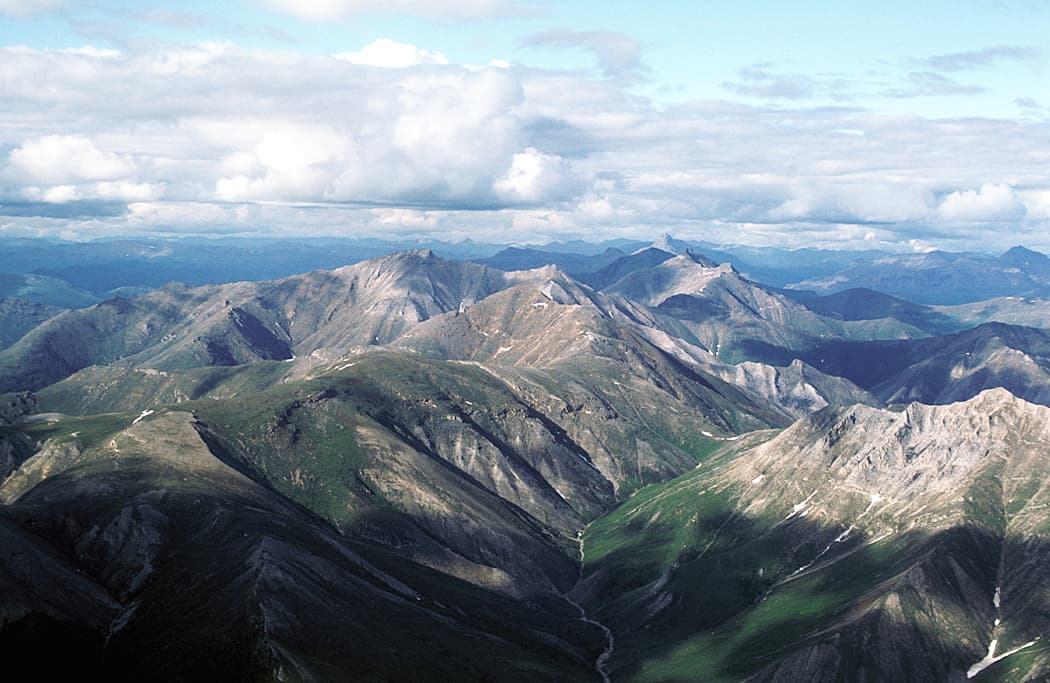
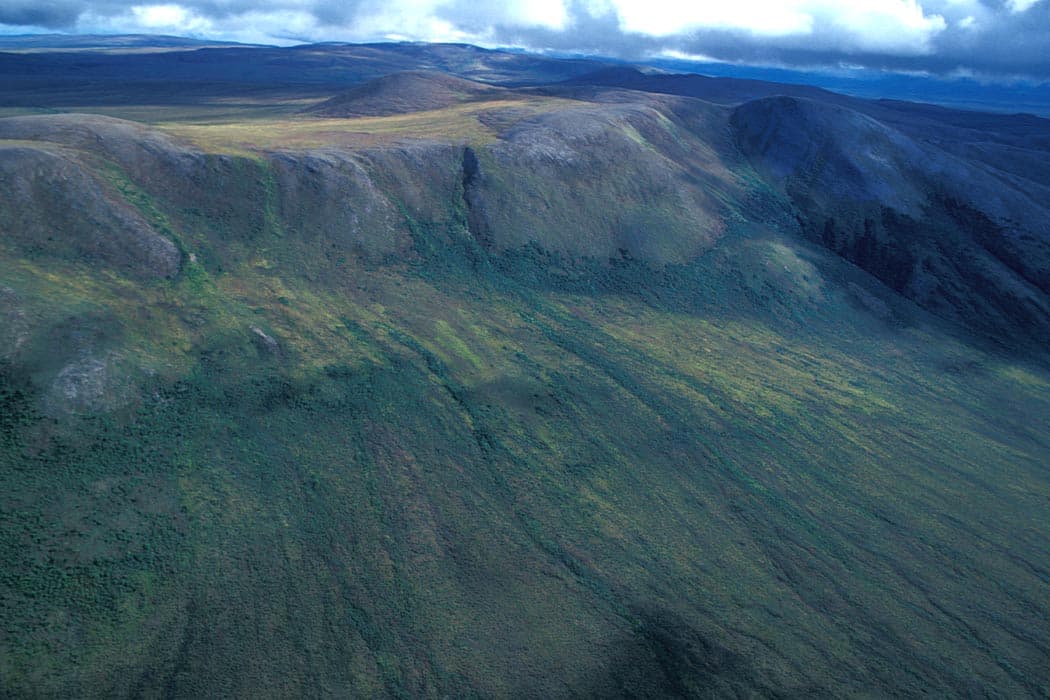
Gates of the Arctic National Park and Preserve protects more than 8 million acres of the central Brooks Range, creating one of the largest roadless areas in the United States. The park’s jagged peaks, U-shaped valleys, and countless glacial rivers remain largely unchanged since the last ice age, offering visitors a rare chance to experience true wilderness without developed trails or facilities.
What to See and Do
Most visitors come for multi-day backpacking trips across open tundra and through narrow mountain passes. The park’s namesake “gates” are two prominent peaks that frame the North Fork of the Koyukuk River, a classic float that combines Class II-III whitewater with sweeping views of the Continental Divide. Anglers target Arctic grayling and Dolly Varden in clear streams, while photographers seek caribou herds migrating along the Arctic Divide. Wildlife sightings often include grizzly bears, Dall sheep, wolves, and moose in the river corridors.
Guided Experiences
Because the park has no roads or maintained trails, most travelers arrange air-taxi flights into the interior and travel with experienced guides who know river routes and bear-safety protocols. Independent visitors must master map-and-compass navigation and carry all supplies for the duration of their trip.
How to Reach the Park
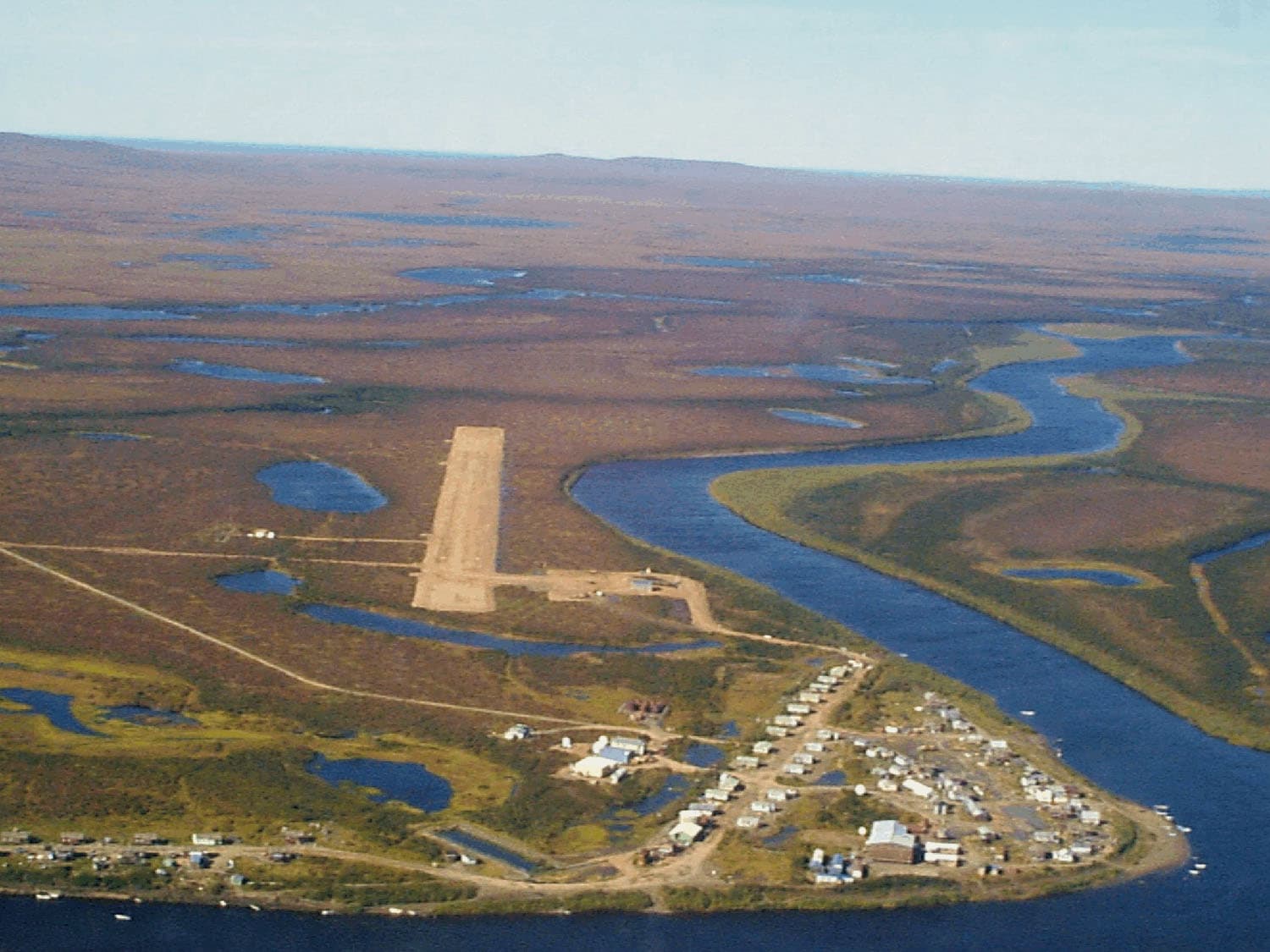
Access begins in Fairbanks or Bettles, where bush planes land on gravel bars or small lakes inside the park boundaries. Once on the ground, movement is by foot, pack raft, or canoe. No vehicle entry exists, which preserves the area’s wild character but requires careful planning of logistics and weather windows.
Best Time to Visit
The brief Arctic summer from mid-June through early September offers the only reliable flying and river conditions. Wildflowers peak in July, while August brings cooler temperatures and the first hints of fall color. Winter visits demand extreme cold-weather skills and are limited to experienced teams traveling by ski or snowshoe.
Nearby Areas Worth Exploring
Just south of the park boundary lies the village of Bettles, a historic jumping-off point with basic lodging. To the east, the Arctic National Wildlife Refuge offers similar remote terrain, while Noatak National Preserve to the west provides another major river corridor for extended paddling trips.