Introduction to Mount Igikpak
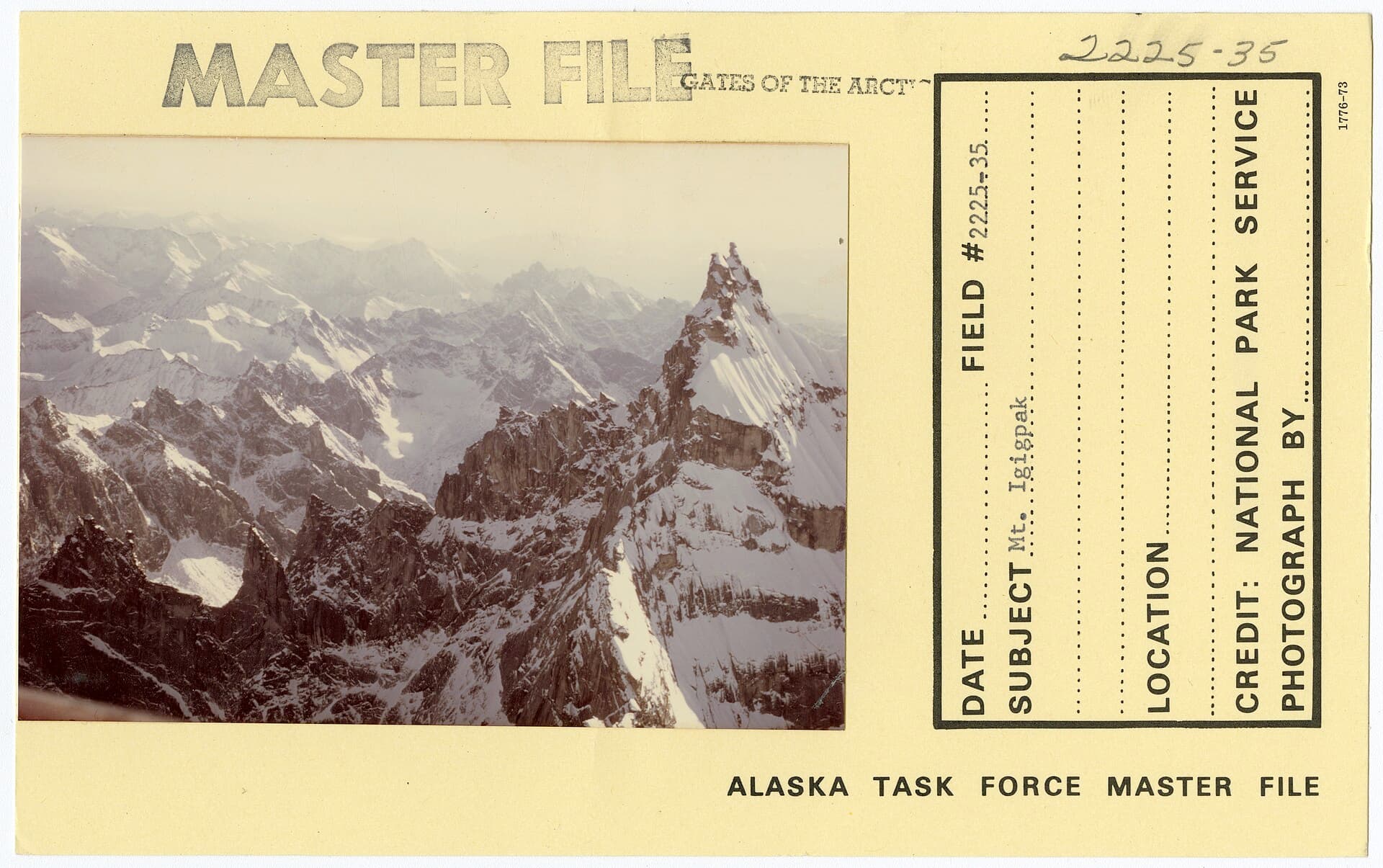
Mount Igikpak rises as the highest summit in Alaska’s western Brooks Range, standing at 7,590 feet amid vast tundra and jagged peaks. Located in Northwest Arctic Borough, this mountain lies within a roadless expanse of national preserves where caribou herds migrate and grizzlies roam freely. Its isolation makes it a destination for experienced backpackers and mountaineers seeking true Arctic wilderness rather than crowded trails.
Access and Logistics
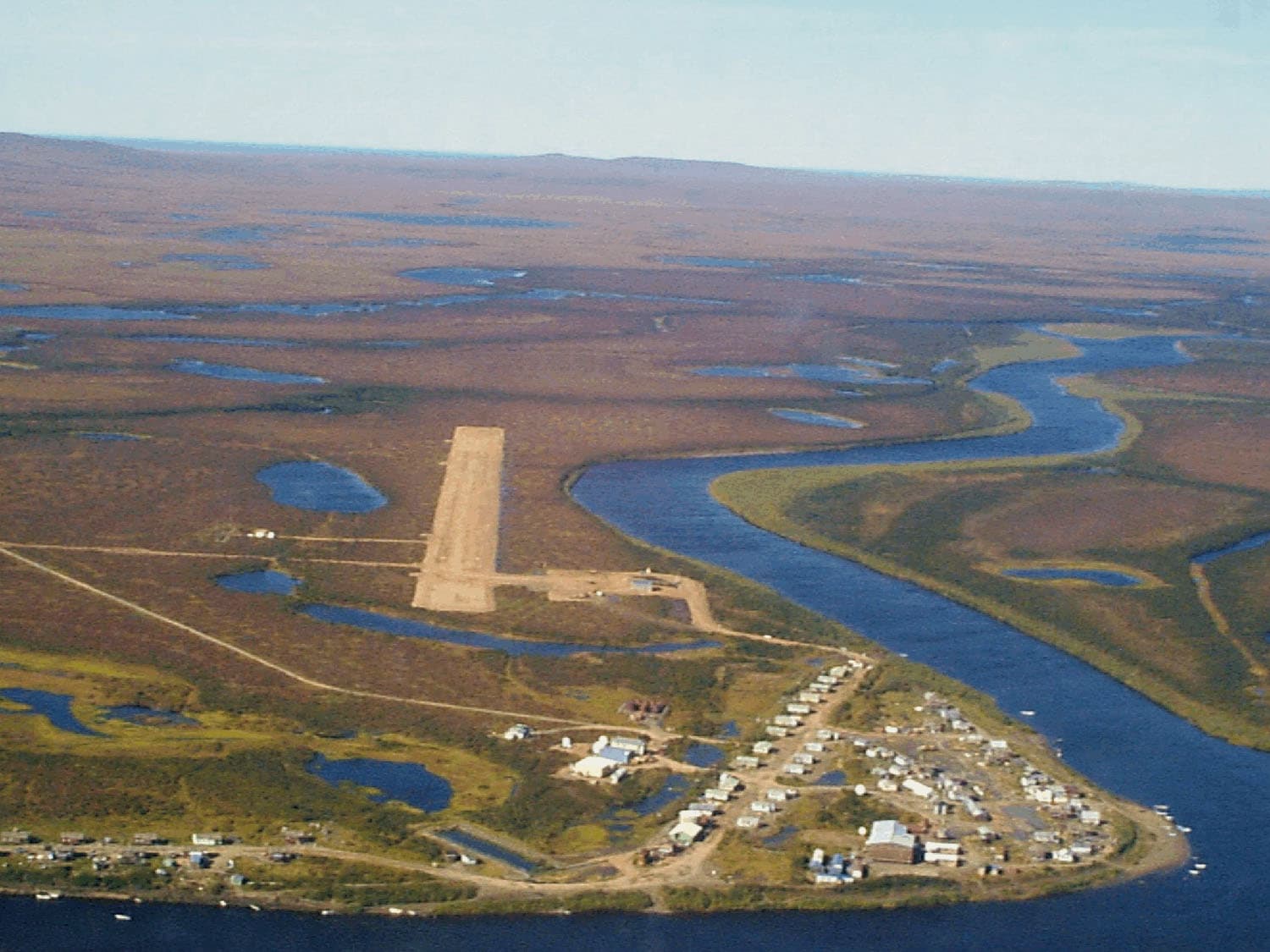
Reaching Mount Igikpak requires multiple flights. Travelers typically fly into Kotzebue from Anchorage or Fairbanks, then charter a bush plane to a gravel bar or lake landing site near the mountain’s base. No roads or maintained trails exist, so all movement occurs on foot across tussock tundra, river crossings, and rocky ridges. Visitors must carry everything needed for self-sufficiency, including shelter, food, and navigation tools.
Climbing and Hiking Routes
The standard approach follows drainages from the south or east, involving route-finding over loose scree and occasional snowfields. Summit day demands an early start due to long daylight in summer but requires careful monitoring of weather, which can shift rapidly. Those not attempting the full ascent still find rewarding day hikes along ridges that offer sweeping views of the Noatak River valley and surrounding peaks.
Wildlife and Terrain
- Expect encounters with grizzly bears, wolves, and Dall sheep.
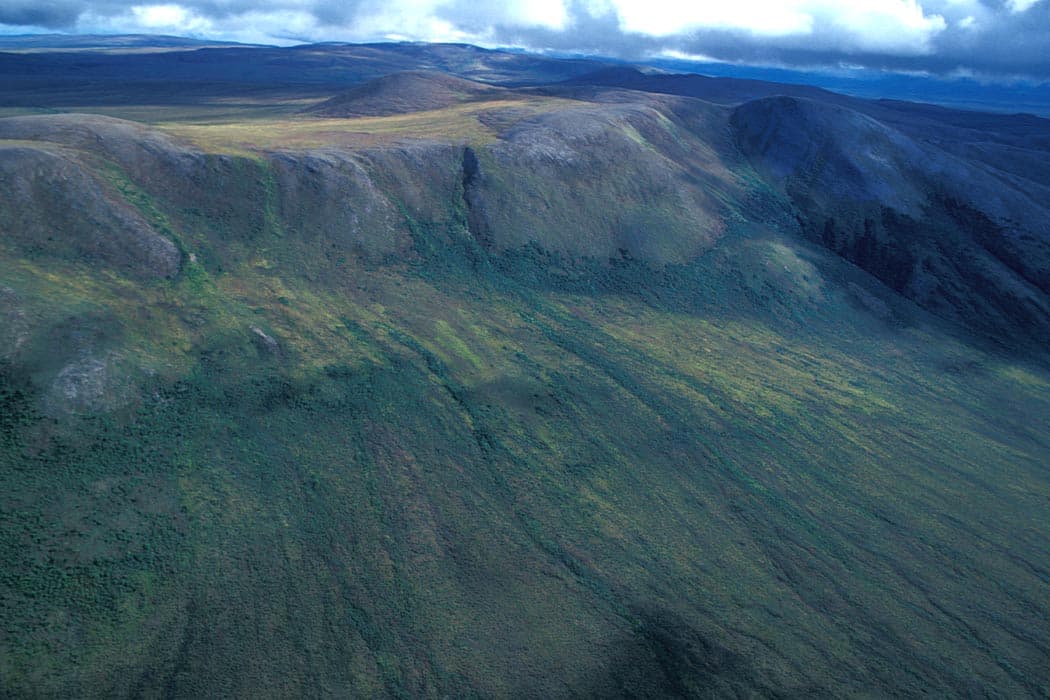
- Tundra vegetation includes dwarf willow, lichen, and wildflowers in July.
- River fords are common; carry lightweight wading gear.
Best Time to Visit
June through early September provides the most reliable conditions for travel, with snow-free valleys and navigable rivers. Mid-summer brings 24-hour daylight, allowing flexible hiking schedules, while late August offers cooler temperatures and fewer insects. Winter travel is possible only for those skilled in cold-weather camping and avalanche awareness.
Nearby Areas Worth Exploring
After a Mount Igikpak trip, many extend their journey into adjacent Gates of the Arctic National Park or float sections of the Noatak National Preserve. These regions share the same wild character and can be accessed by the same bush-plane services.