Keep reading
Nearby & related
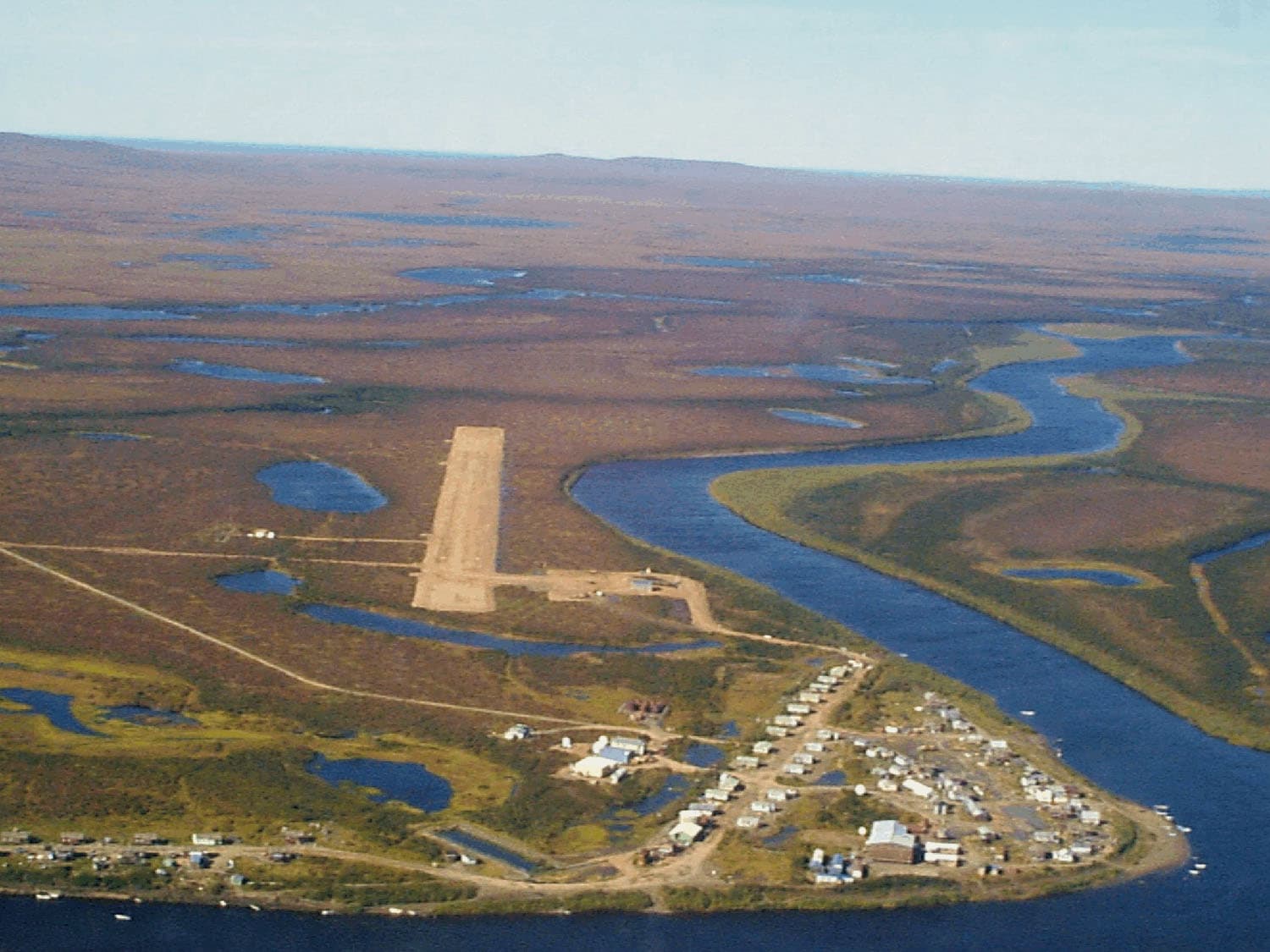
Buckland River: Remote Wilderness Fishing in Alaska’s Arctic Frontier
Paddle, fish, and explore the untouched Buckland River deep in northwest Alaska’s Arctic landscape.
17 August 2026
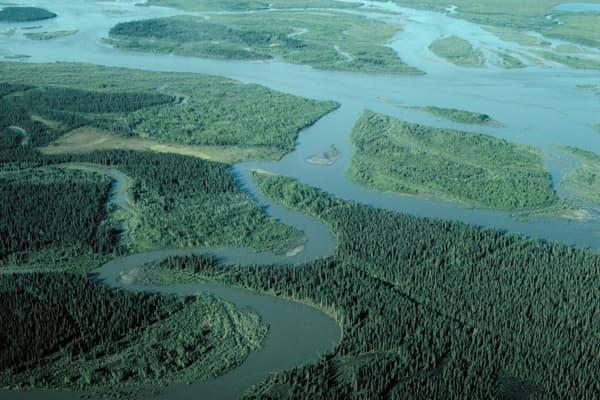
Float through one of North America's last pristine river corridors in the remote Noatak National Preserve.
The Noatak River carves a 425-mile path across Alaska’s Northwest Arctic Borough, protected within the Noatak National Preserve. It remains one of the longest undammed rivers in the United States, flowing from the Endicott Mountains through tundra, canyons, and wetlands before reaching Kotzebue Sound. This isolation preserves intact ecosystems where caribou herds migrate seasonally and grizzly bears forage along gravel bars.
Access begins with flights to Kotzebue, the regional hub. From there, small bush planes deliver visitors to remote gravel bars or lakes near the river’s upper reaches. Most travelers join multi-day rafting or kayaking expeditions that start near the Noatak’s headwaters and end near the village of Noatak or downstream. Independent trips require careful planning for logistics and weather.
June through early September offers the most favorable conditions for floating, with daylight lasting nearly 24 hours and temperatures warm enough for comfortable camping. Peak caribou movement occurs in late summer, while early season brings higher water levels ideal for covering long distances. Fall colors appear by mid-August, though nights turn cold quickly.
Multi-day floats allow paddlers to drift past sheer limestone cliffs and broad valleys. Anglers target Arctic grayling, Dolly Varden, and sheefish. Short hikes from campsites lead to ridgelines with sweeping tundra views. Wildlife viewing focuses on caribou, moose, wolves, and waterfowl; binoculars and quiet movement increase success rates. Photography opportunities peak during golden-hour light that lasts for hours.
The Kobuk River lies to the south, offering parallel sand-dune hiking in Kobuk Valley National Park. Cape Krusenstern National Monument protects ancient beach ridges along the coast near Kotzebue. Visitors often combine Noatak trips with cultural visits to Inupiaq communities that share stories of subsistence living along these waterways.
Keep reading
Paddle, fish, and explore the untouched Buckland River deep in northwest Alaska’s Arctic landscape.
Commercial trips require National Park Service authorization; private paddlers should check current preserve regulations before departure.
Caribou herds, grizzly bears, moose, and numerous bird species frequent the corridor, especially during migration periods.
Most expeditions last 7 to 14 days depending on starting point and pace, covering sections from the mountains to the lower river.
Yes, with an Alaska fishing license; popular species include grayling and char in clear tributary streams.
Expect rapid changes, strong winds on open sections, and cold nights even in midsummer; layered clothing and reliable shelter are essential.
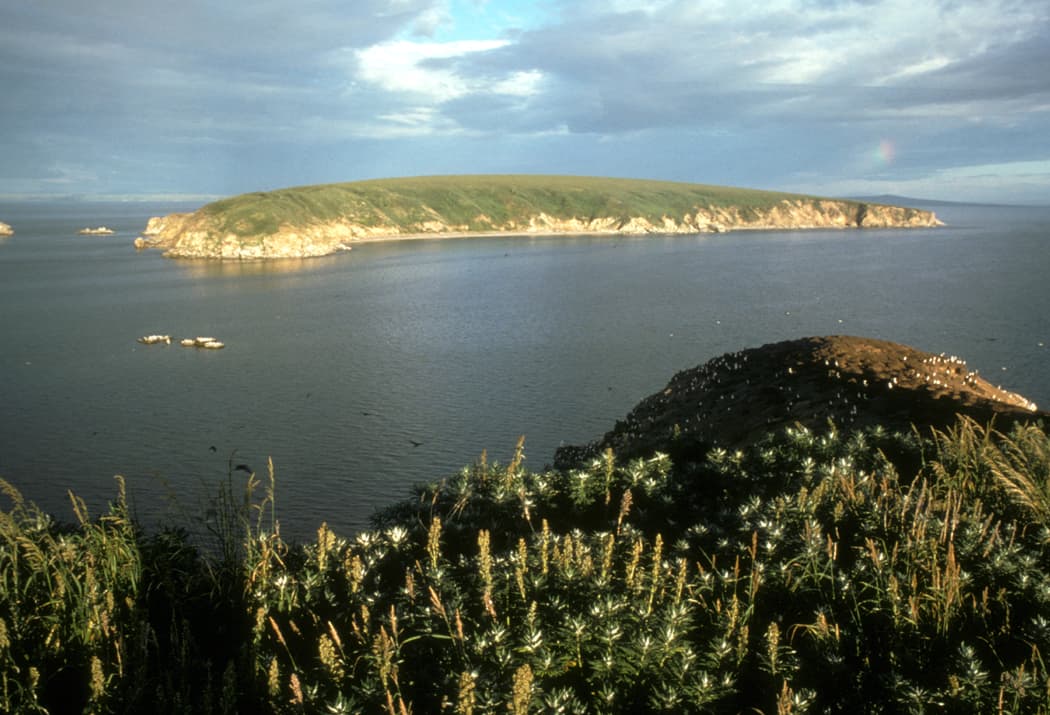
Experience the untouched seabird colonies and wild Arctic landscape of this isolated island refuge.
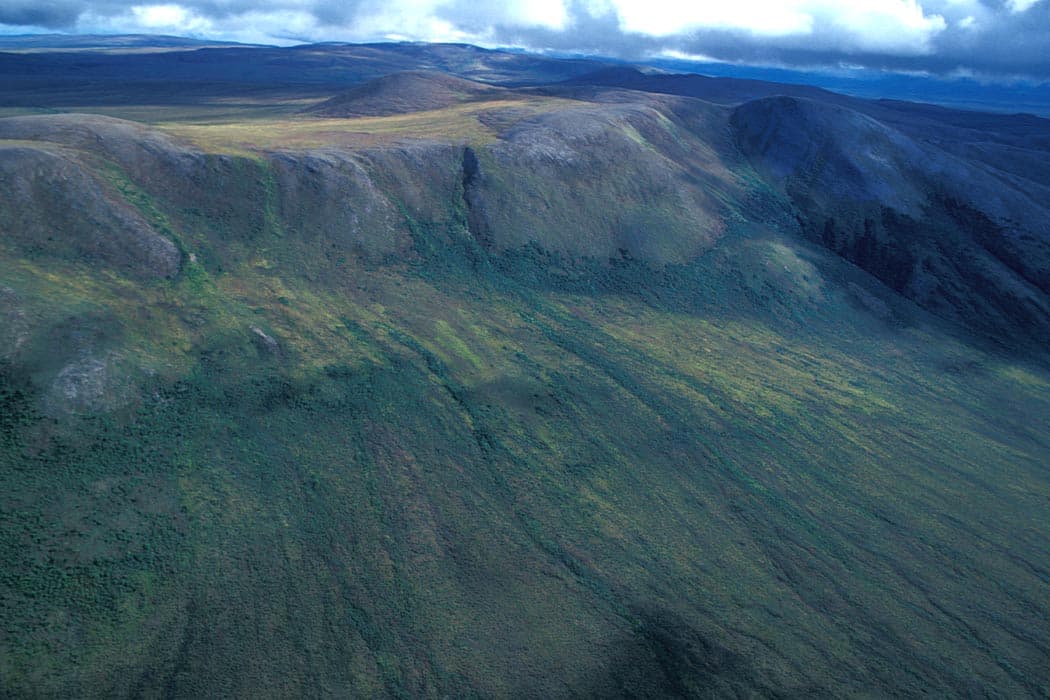
Experience pristine wilderness, caribou migrations, and remote river travel in one of Alaska’s most inaccessible…