Why Mount Togoku Stands Out
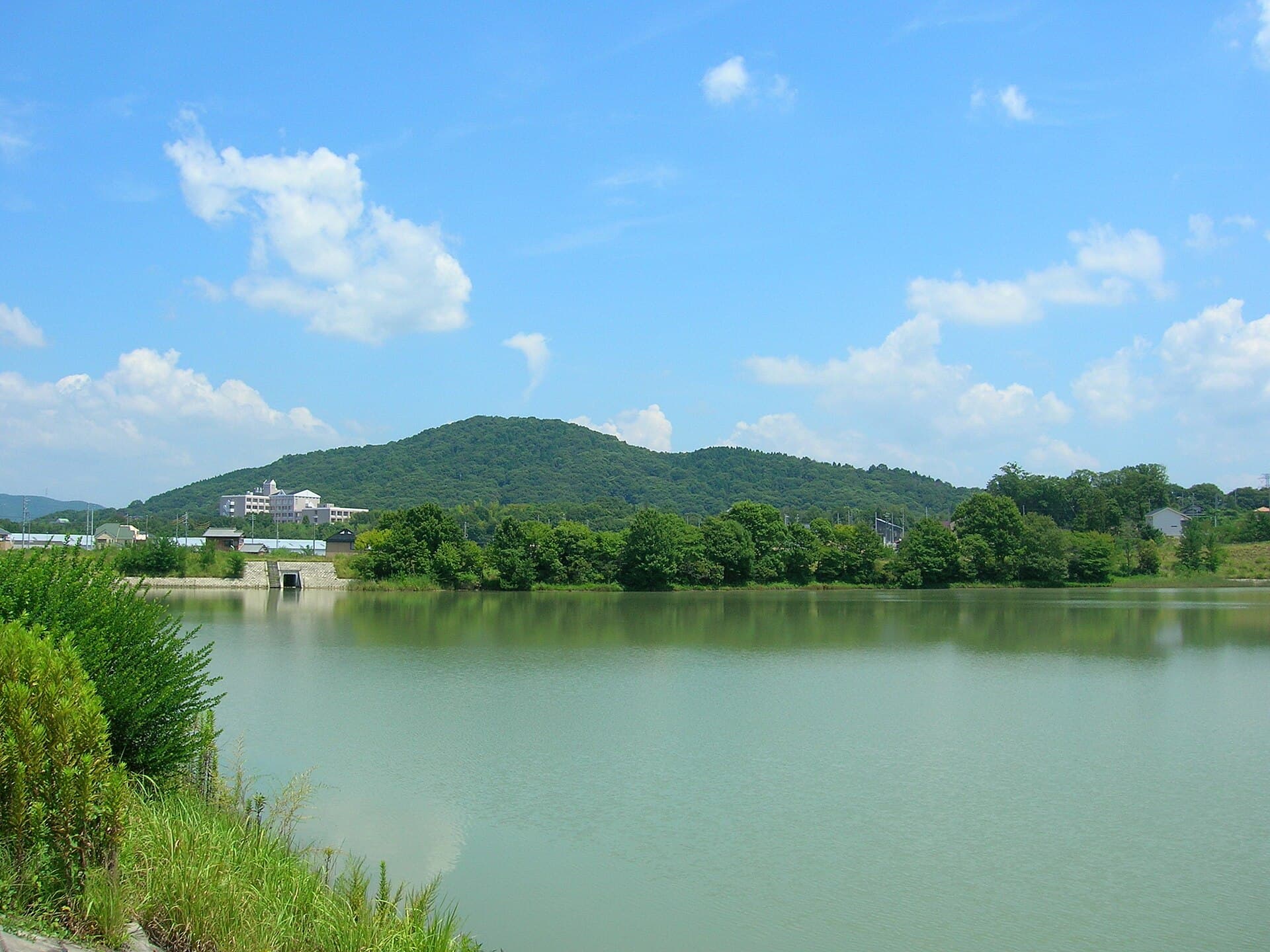
Mount Togoku rises gently above the historic pottery town of Seto, offering hikers an accessible escape into mixed deciduous and cedar forest without the crowds of more famous Japanese peaks. Its modest elevation delivers wide panoramas across the Chita Peninsula, the distant Nagoya skyline, and the rolling hills where Seto ware has been fired for centuries. The mountain’s trails pass through quiet stands of Japanese maple and cedar, with seasonal wildflowers in spring and vivid autumn foliage in October and November.
Trails and What to Expect
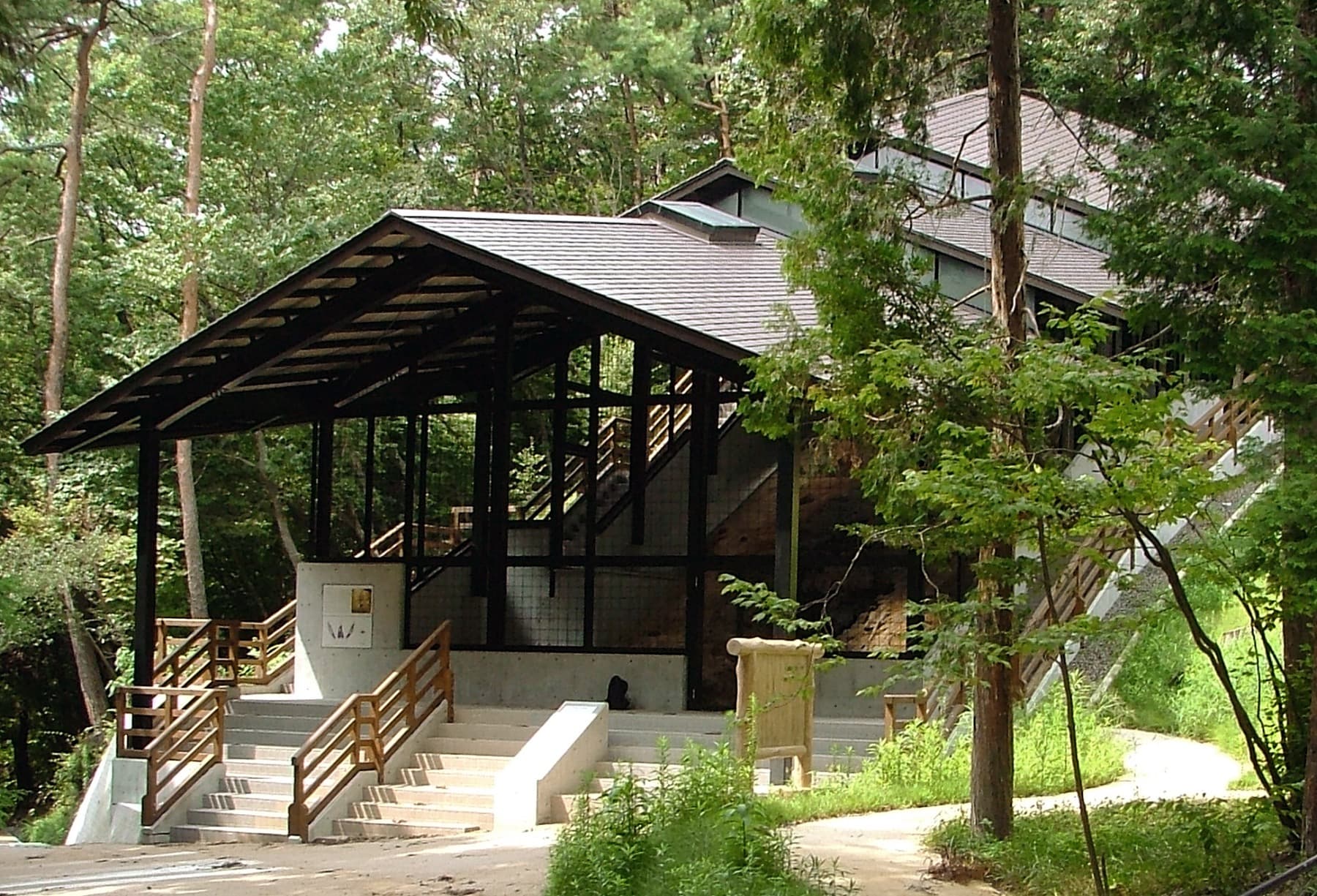
The main route begins at a small trailhead parking area on the northern side and follows a well-marked path that climbs steadily through bamboo grass and mossy boulders. After roughly two hours, hikers reach a modest summit clearing marked by a simple triangulation point and wooden bench. From here the 360-degree view takes in Mount Sanage to the east and the urban fringe of Seto to the south. A secondary loop descends via a quieter ridge trail lined with old stone markers once used by local potters gathering clay.
Both routes are suitable for fit walkers of all ages; the terrain is mostly dirt and occasional rock steps, with no technical scrambling required. Carry plenty of water, as there are no facilities beyond the trailhead.
Getting There
Seto’s central station is the nearest rail stop. From there, local buses run to the northern trailhead area several times daily. Drivers can follow Route 155 then narrow mountain roads to the small parking lot. Taxis are readily available at Seto Station for the final leg.
Best Time to Visit
Late March through early May brings fresh greenery and fewer insects. Mid-October to mid-November offers peak autumn color. Summer visits are possible but expect humidity and occasional trail closures after heavy rain. Winter snow is light but can make the upper slopes slippery; micro-spikes are advisable after January storms.
Nearby Attractions
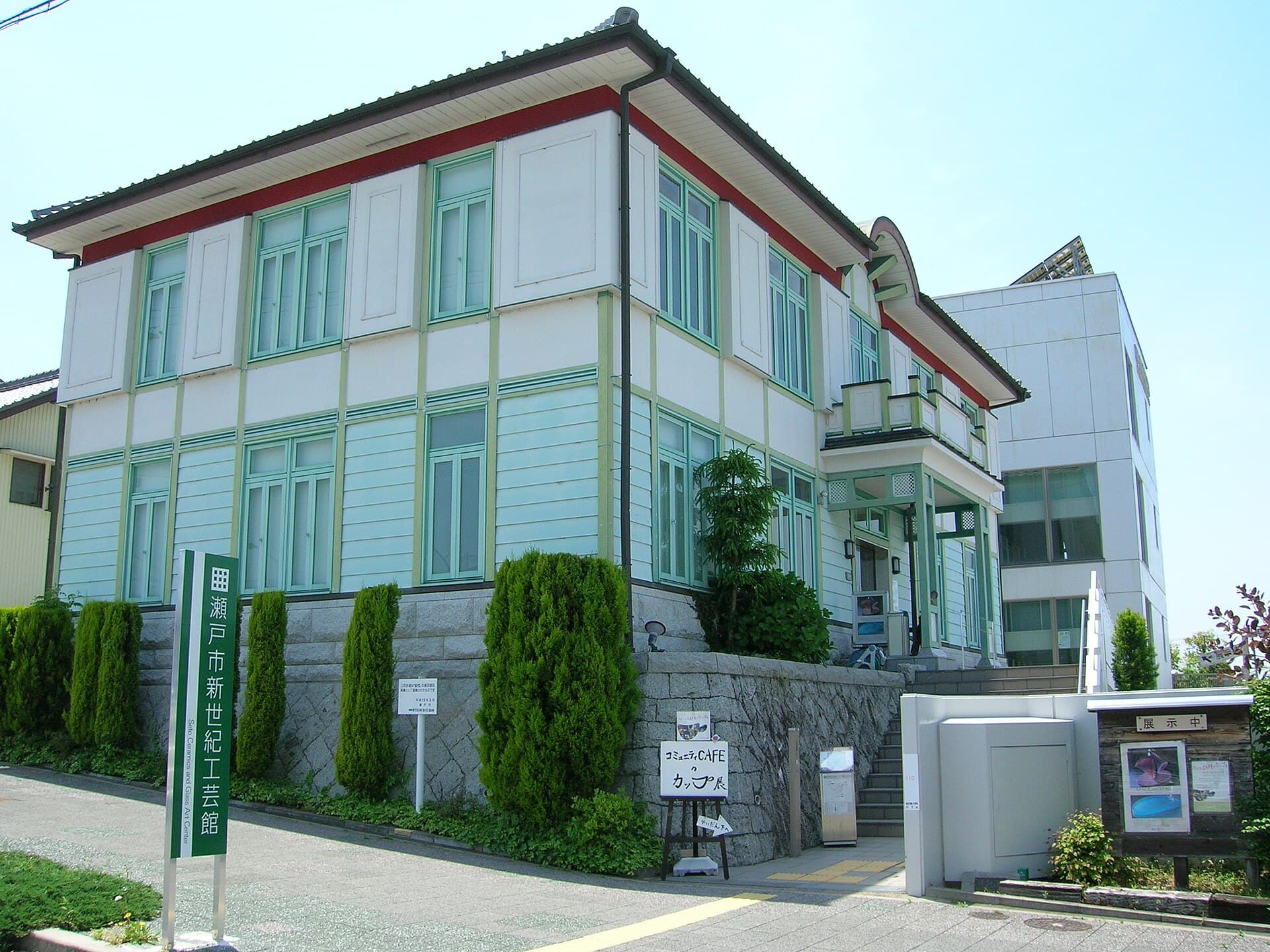
Combine the hike with a visit to the Seto Ceramics and Glass Art Center or the historic Kamagami Shrine, both a short bus ride from the station. The nearby Aichi Prefectural Ceramic Museum provides context on the region’s 1,300-year pottery tradition before or after your climb.