Why Mount Sanage Draws Hikers
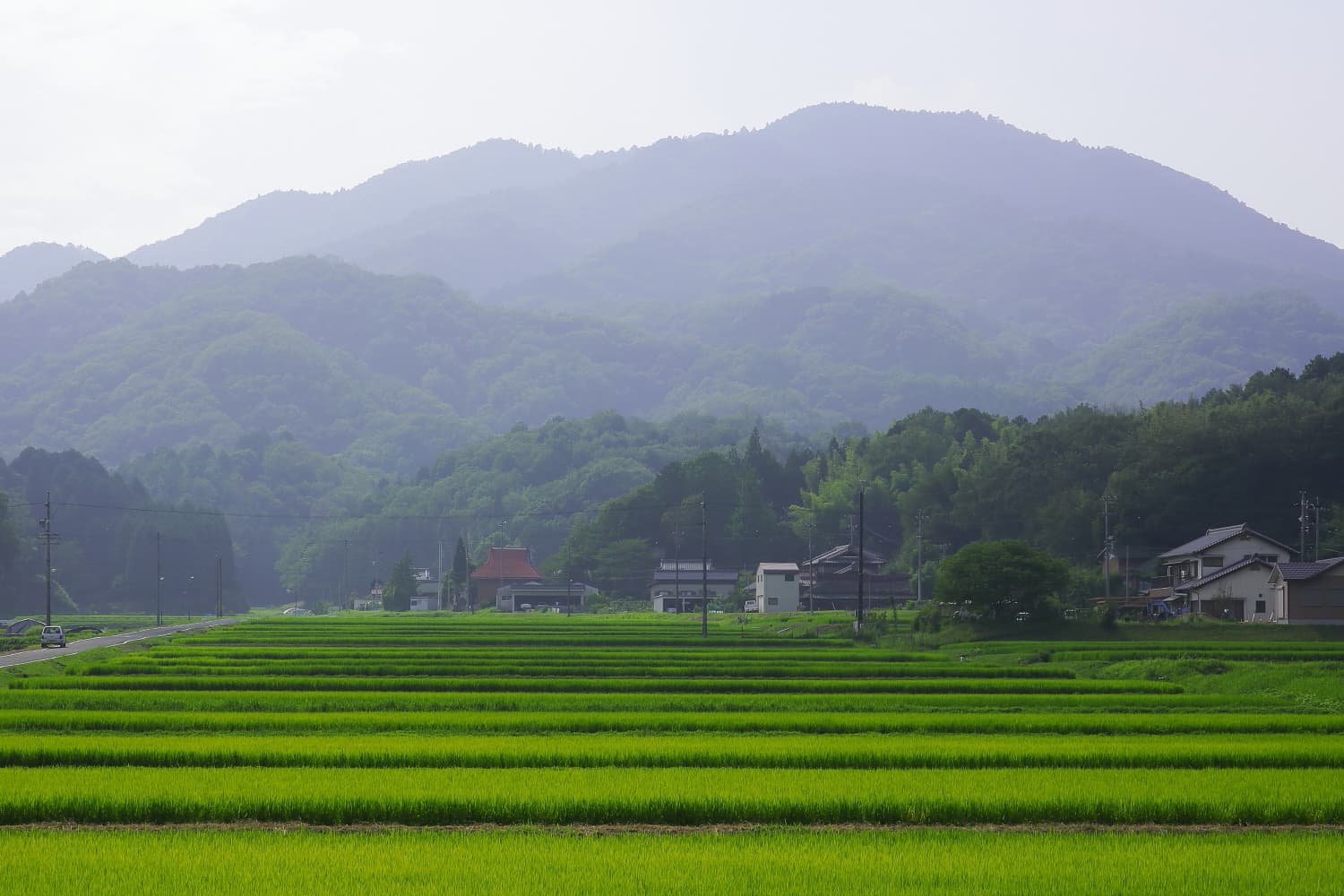
Mount Sanage rises 629 meters above the rolling hills of Toyota in Aichi Prefecture. Its trails wind through cedar plantations and broadleaf forest that change color dramatically in autumn. The summit offers clear sightlines across the Mikawa Plain toward distant ridgelines and, on the clearest days, the outline of Ise Bay. Because the mountain sits within easy reach of Toyota’s urban center, it serves both local residents seeking weekend exercise and visitors wanting a compact nature escape without long travel times.
Trails and What to Expect on the Summit
The most popular route starts near Sanage Shrine and climbs steadily on well-marked paths. The ascent takes roughly two hours for fit walkers; the descent is faster. Along the way, hikers pass small shrines, mossy boulders, and occasional viewpoints over the valley. At the top, a modest observation deck and triangulation point mark the high point. The return loop can be varied by taking the eastern ridge trail, which adds modest distance but avoids retracing steps. The terrain is moderate rather than technical, though sections become slippery after rain.
Getting There
From Nagoya Station, take the Meitetsu train to Toyota City Station, then a local bus toward the Sanage area. Several trailheads lie within a short walk of the final bus stop. Drivers can use parking lots near the shrine. Allow extra time during autumn weekends when foliage draws crowds. No cable car serves the mountain, so every visitor walks both up and down.
Best Time to Visit
Late October through mid-November brings peak maple and ginkgo color, the mountain’s strongest seasonal draw. Spring offers fresh greenery and fewer insects, while summer trails stay shaded yet humid. Winter visits are possible on clear, dry days but require attention to icy patches near the summit. Weekdays are quieter than weekends year-round.
Nearby Attractions Worth Combining
After descending, many travelers continue to Korankei Gorge, famous for its riverside maple tunnel and preserved historic buildings. The Toyota Commemorative Museum of Industry and Technology provides an indoor contrast to the hike, illustrating the region’s manufacturing heritage. For longer stays, the rural roads around Asuke offer additional short walks and craft workshops.