Skip to content
Plan & Tour
DestinationsItinerariesTravel BlogAboutContact
0Sign inPlan a trip
Plan & TourPlan & Tour

Travel guides, destination inspiration and curated itineraries for Canada, the USA and beyond, plus a free tool to plan your own day-by-day trip.

Get travel inspiration

Explore

  • All Destinations
  • Curated Itineraries
  • Travel Blog
  • Plan a Trip

Topics

  • Hiking & Nature
  • Food & Drink
  • City Breaks
  • Budget Travel

Company

  • About Us
  • Contact
  • Privacy Policy
  • Terms of Service

© 2026 Plan & Tour. Built for travellers.

Discover the world, one trip at a time.

Konagasō Pottery Kiln Ruins: Tracing Seto’s Ceramic Origins
  1. Home
  2. Destinations
  3. Seto
  4. Konagasō Pottery Kiln Ruins: Tracing Seto’s Ceramic Origins
Archaeological site

Konagasō Pottery Kiln Ruins: Tracing Seto’s Ceramic Origins

These archaeological remains in Seto reveal the early firing techniques that helped establish Japan’s renowned pottery tradition.

SetoUpdated 15 August 2026

Introduction to the Site

The Konagasō Pottery Kiln ruins sit quietly amid the hills of Seto, Aichi Prefecture, preserving the physical traces of kilns used centuries ago for producing ceramics. Seto has long been one of Japan’s primary centers for stoneware and porcelain, and these ruins illustrate the practical methods potters employed before modern technology.

Historical Context

Archaeological evidence at Konagasō points to kiln structures typical of the medieval period, when wood-fired climbing kilns were built into slopes to achieve the high temperatures needed for durable ceramics. The site shows remnants of fireboxes, flue channels, and stacking areas where vessels were placed, offering insight into the labor-intensive process that supplied daily wares and tea utensils across central Japan.

What to See and Do

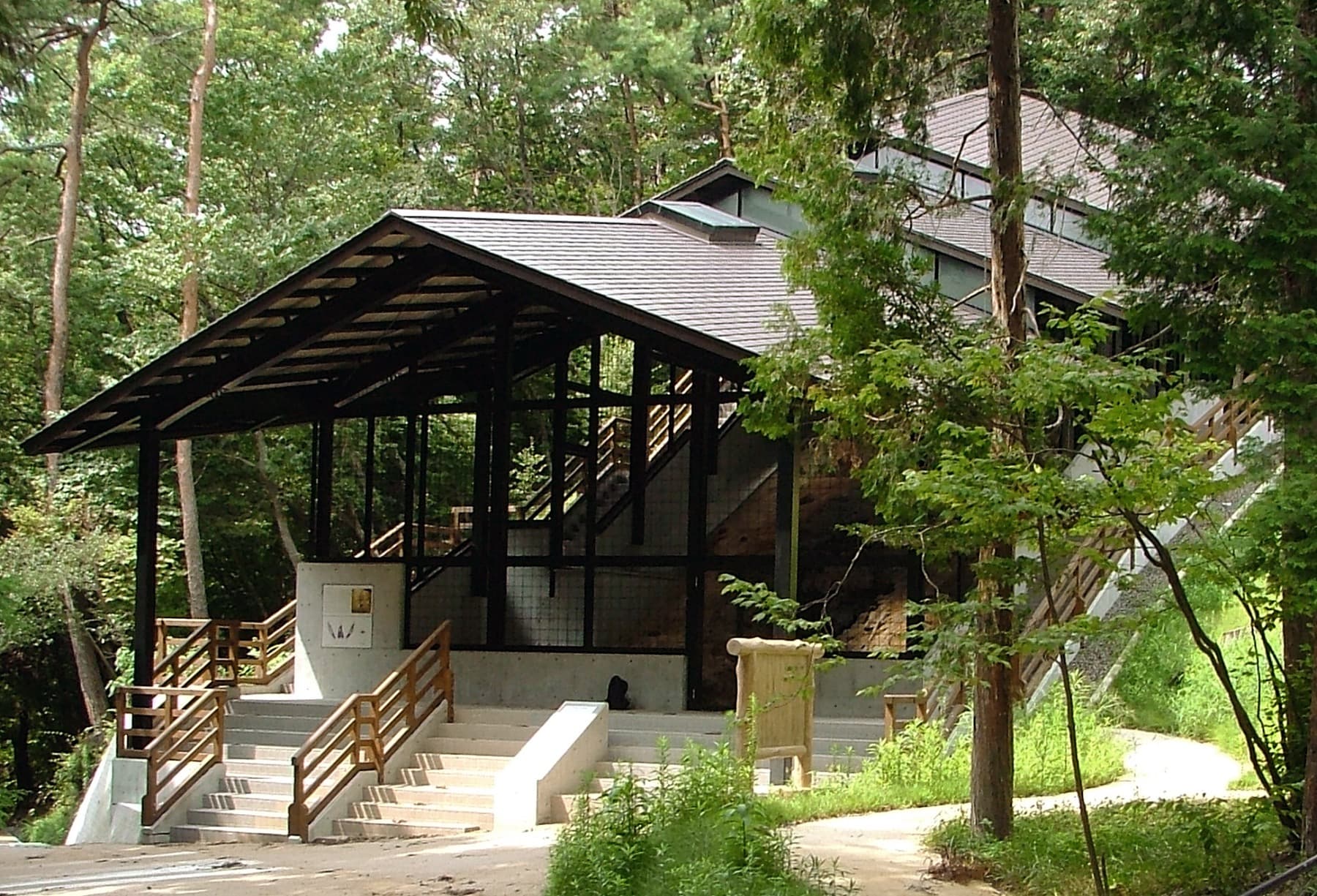
Visitors walk a short path through the wooded area to view exposed kiln foundations and scattered shards of glazed pottery still embedded in the earth. Informational panels explain the kiln’s construction and the types of clay sourced locally. The compact layout encourages slow observation, allowing time to imagine the heat and smoke that once filled the chambers. Photography is straightforward in natural light, and the surrounding forest provides a peaceful setting distinct from busy urban museums.

Getting There

Seto lies roughly 30 kilometers northeast of Nagoya. Trains on the Meitetsu Line reach Owari-Seto Station, from which local buses or a short taxi ride connect to the ruins. Drivers can follow prefectural roads through the ceramic-producing districts and park in designated spaces near the entrance trail. Combining the visit with a stroll through nearby Seto streets lined with working potteries enhances the experience.

Best Time to Visit and Nearby Attractions

Spring and autumn offer mild temperatures ideal for outdoor exploration, while summer visits require insect repellent. Winter brings fewer crowds but cooler winds through the hills. Within a short distance are the Seto Ceramics Museum, active climbing kilns at other preserved sites, and workshops where contemporary artisans still fire pieces using techniques rooted in the same traditions visible at Konagasō.

Visitor tips

  • Wear sturdy walking shoes, as the path includes uneven ground and some inclines near the kiln remains.
  • Bring a small bottle of water and a light jacket, since the site offers little shade once you reach the open kiln area.
  • Pair the ruins with a visit to a working pottery studio in central Seto to compare historical methods with current practice.

Frequently asked questions

How old are the Konagasu014d kiln ruins?+

Excavations indicate the main structures date from the Kamakura to Muromachi periods, roughly 700 to 500 years ago, when Seto potters refined stoneware production.

Is the site suitable for children?+

The short trail and open layout make it accessible for most families, though supervision is advised near any drop-offs or exposed foundations.

Can I reach the ruins without a car?+

Yes. Trains to Owari-Seto followed by a local bus or taxi provide reliable access; schedules are posted at the station.

Are there restrooms or facilities on site?+

Basic facilities are located near the parking area at the trailhead, but none exist directly among the kiln remains.

What should I photograph at the ruins?+

Focus on the exposed kiln walls, flue lines running up the slope, and any visible pottery fragments still embedded in the soil.

Share
Google Maps Apple Maps Directions

Image: MChew · CC BY-SA 4.0 · via Wikimedia Commons

Keep reading

Nearby & related

All stories
Seto Ceramics and Glass Art Center: A Deep Dive into Japan’s Ceramic Capital
Seto

Seto Ceramics and Glass Art Center: A Deep Dive into Japan’s Ceramic Capital

Explore centuries of Seto-yaki pottery tradition alongside contemporary glass works at this focused museum in Aichi…

14 August 2026
Mount Togoku: Scenic Hikes Above Seto’s Pottery Villages
Seto

Mount Togoku: Scenic Hikes Above Seto’s Pottery Villages

A rewarding climb through mixed forest to sweeping views of Aichi’s ceramic heartland and surrounding peaks.

14 August 2026
The Maneki-Neko Museum: Lucky Cats and Ceramic Heritage in Seto
Seto

The Maneki-Neko Museum: Lucky Cats and Ceramic Heritage in Seto

Step into a world of thousands of beckoning cats at this distinctive museum in Japan’s historic pottery town.

14 August 2026