Why the Seto Ceramics and Glass Art Center Matters
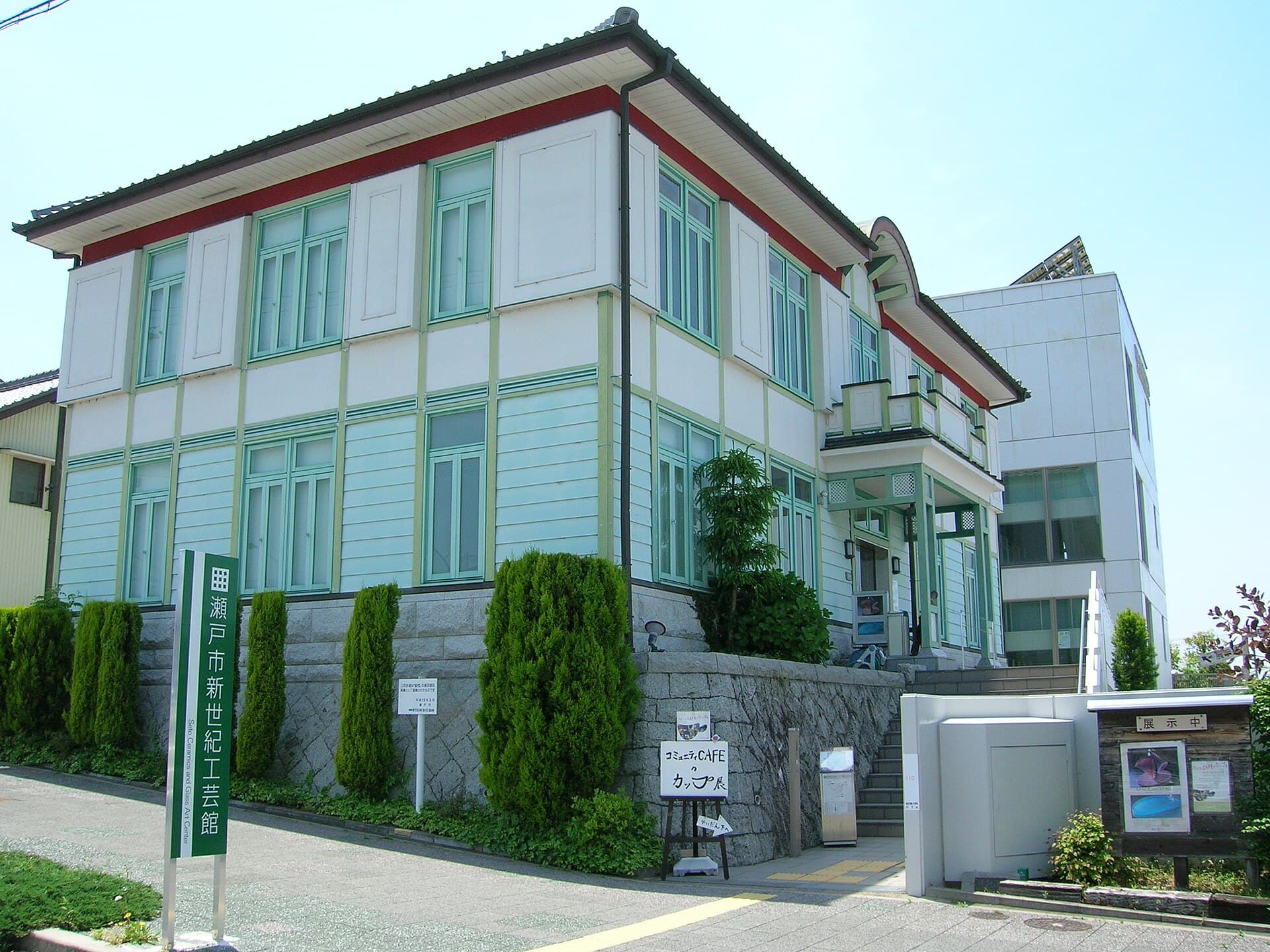
Seto has produced ceramics continuously since the 13th century and ranks among Japan’s six ancient kiln sites. The Seto Ceramics and Glass Art Center presents both historic pieces and modern expressions, showing how local clay and firing techniques evolved into today’s studio practice. Visitors gain a clear picture of why “Seto-mono” became a generic term for pottery across Japan.
What to See and Do
Permanent galleries display early ash-glazed stoneware, distinctive Seto-guro black-glazed bowls, and later overglaze enamel wares. Temporary exhibitions highlight living artists who continue to work with local clay or experiment with glass. A viewing window into the workshop area lets visitors watch potters throw forms and apply slips. The center’s shop stocks pieces made on-site and by regional makers, offering a direct connection between museum displays and usable objects.
How to Get There
Seto lies roughly 30 minutes by train from central Nagoya. Take the Meitetsu Seto Line from Sakaemachi or Kanayama stations to Owari-Seto Station, then walk ten minutes through the historic pottery district. The surrounding streets still contain working kilns and small galleries, so many travelers combine the museum visit with a short walking loop past traditional workshops.
Best Time to Visit
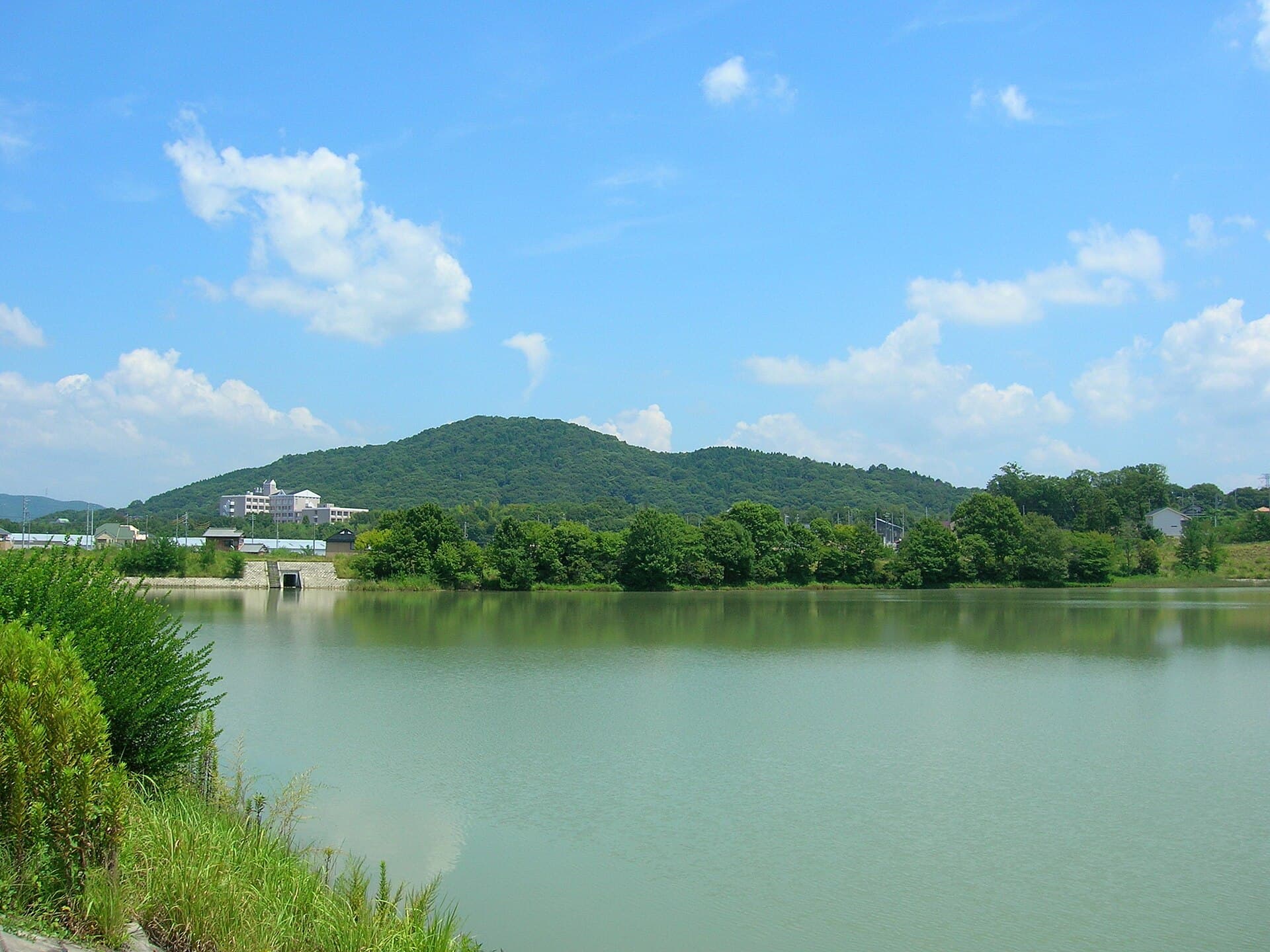
April through June and October through November bring mild weather ideal for walking between the center and nearby kilns. Summer humidity can make the indoor galleries more appealing, while winter offers fewer crowds and clear views of the surrounding hills. The museum remains open year-round, with the surrounding pottery district lively during the annual Seto pottery festival in early September.
Nearby Attractions
Within a short walk stand several active kilns open for informal viewing and the Seto Local History Museum, which covers the broader industrial story. Further afield, the city’s hillside temples and the Meiji-era architecture along the Seto River provide additional context for the region’s long ceramic heritage. Nagoya’s major stations are only a short train ride away, making the center an easy half-day excursion from the prefectural capital.