Why Mount Saint Elias Stands Out
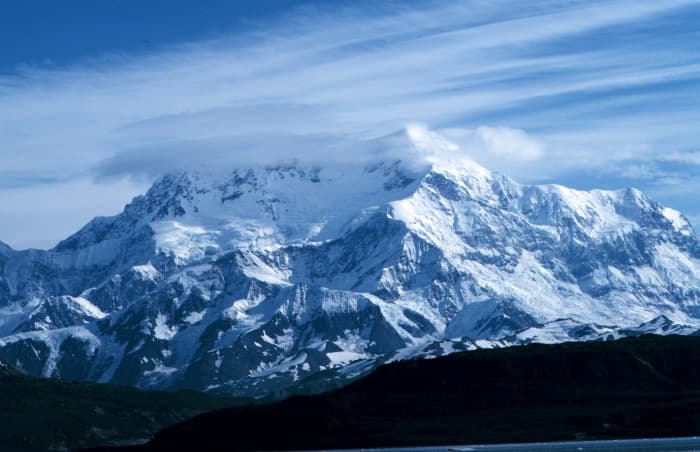
Mount Saint Elias rises 18,008 feet along the Alaska-Yukon border, forming one of the steepest vertical rises from tidewater in North America. Its massive icefields and serrated ridges create a dramatic backdrop within Wrangell-St. Elias National Park and Preserve, the largest national park in the United States. The mountain’s isolation and technical climbing routes attract serious mountaineers seeking a true wilderness challenge far from crowded trails.
Getting There
Access begins with flights to Yakutat or Cordova, followed by bush-plane charters to base camps near Icy Bay or the Newton Glacier. Most visitors join guided expeditions that include helicopter or fixed-wing support to reach the lower flanks. Independent travelers should coordinate with park rangers for permit requirements and route planning, as no roads lead directly to the peak.
Best Time to Visit
June through August offers the most stable weather windows for climbing and flight operations, with long daylight hours reducing avalanche risk on lower slopes. Winter ascents are possible but demand advanced skills due to extreme cold and frequent storms. Shoulder seasons bring fewer crowds but higher uncertainty in weather and logistics.
What to See and Do
Experienced climbers tackle the standard southeast ridge or more technical west-face routes, passing seracs and icefalls that showcase the mountain’s glacial power. Non-climbers can explore the park’s vast network of trails around Kennicott and McCarthy, where historic mining sites and wildlife viewing opportunities abound. Kayaking the coastal waters near Yakutat provides close views of tidewater glaciers feeding into the same ice system that blankets Saint Elias.
Nearby Attractions
The surrounding park contains nine peaks over 14,000 feet, including Mount Bona and Mount Churchill. Kluane National Park in Yukon offers complementary hiking and rafting along the Slims River, while the Copper River Delta provides world-class birding just a short flight away. Many visitors combine a Saint Elias expedition with a visit to the historic Kennecott Mines for a complete portrait of the region’s rugged history and natural scale.