Why the Copper River Draws Visitors
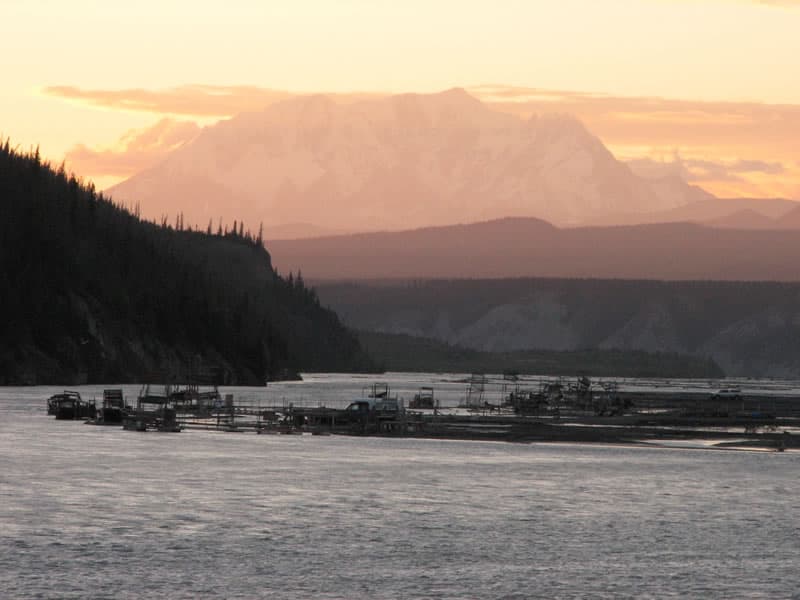
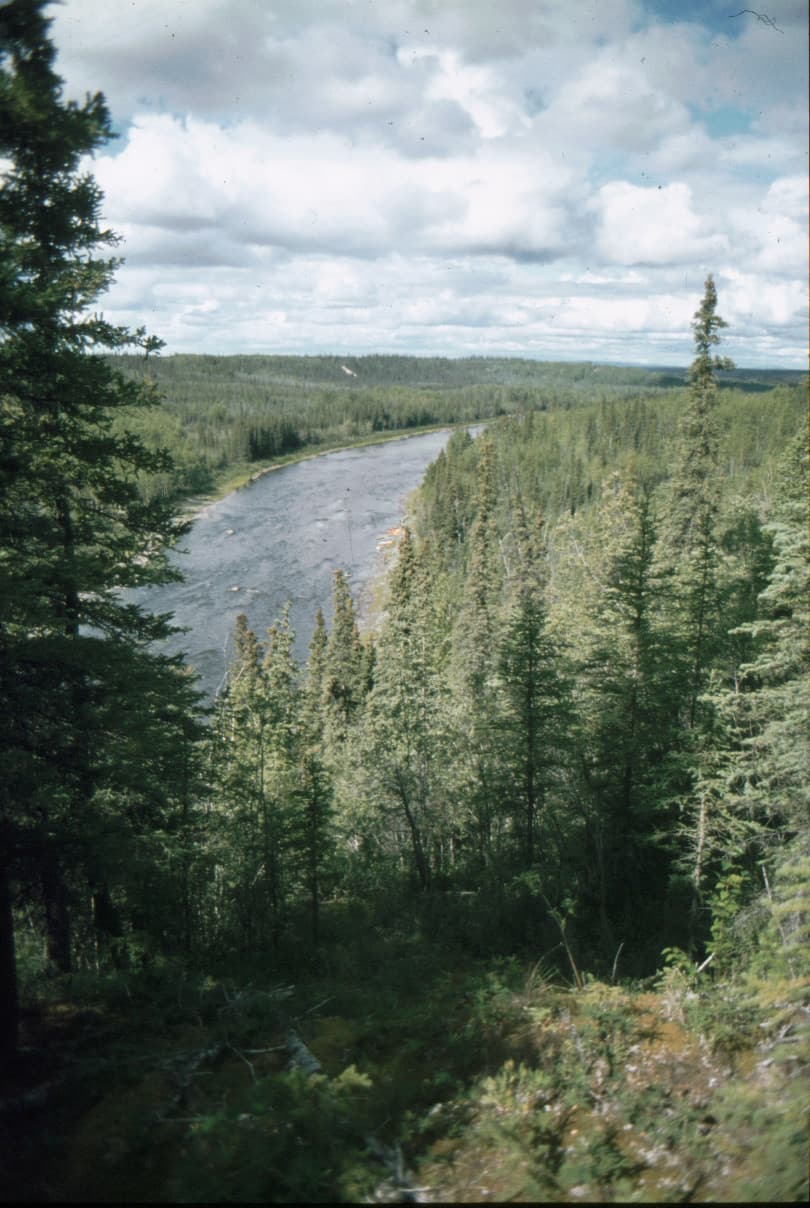
The Copper River carves through south-central Alaska from the Wrangell Mountains to the Gulf of Alaska, carrying glacial silt that creates its distinctive turquoise hue. Its world-famous salmon fishery supports sustainable runs of sockeye, king, and coho that attract anglers seeking a true wilderness experience far from crowds.
Getting There
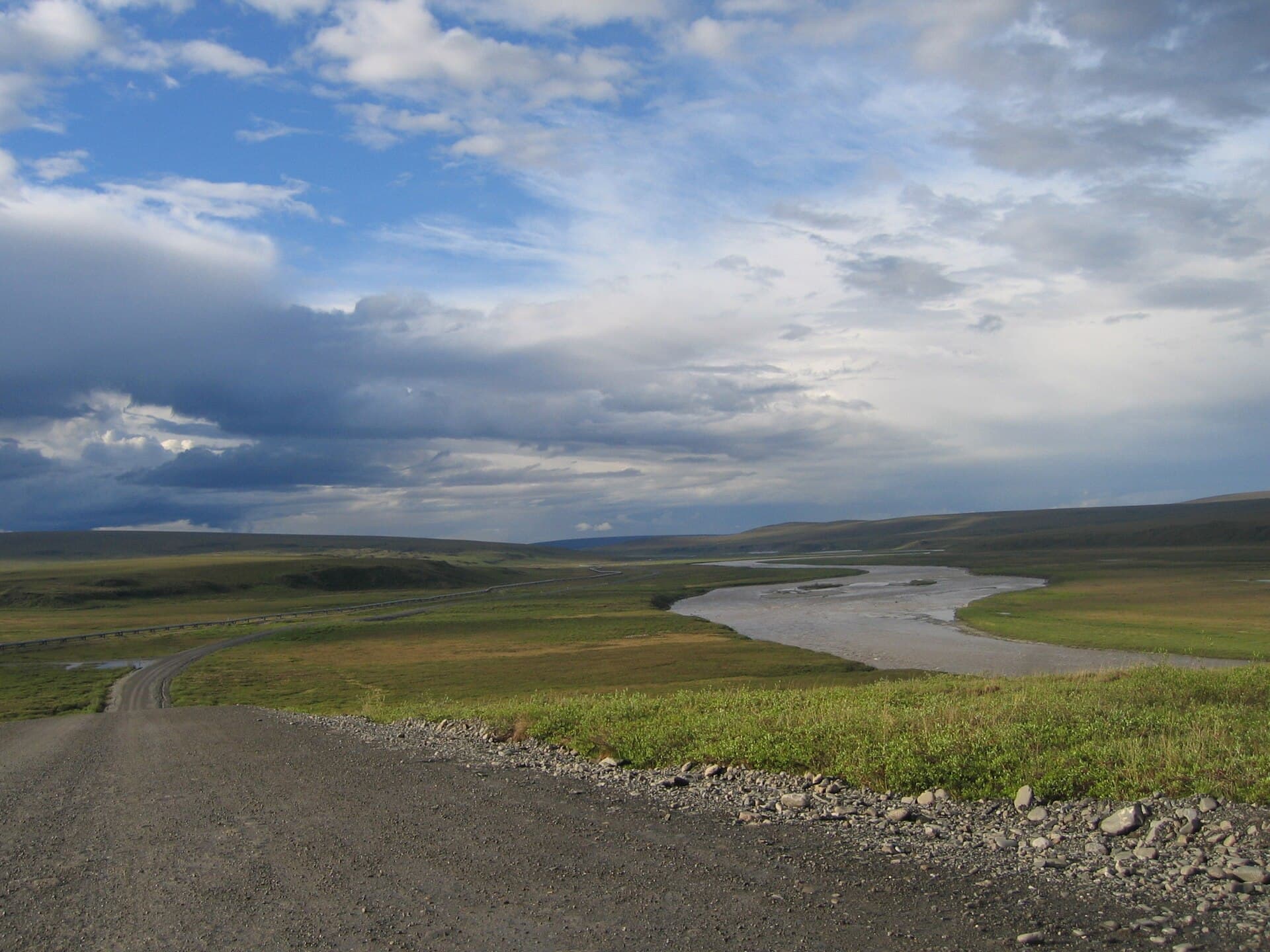
Most travelers fly into Anchorage or Cordova, then reach the river via the Edgerton Highway to Chitina or the Copper River Highway from Cordova. The latter route offers dramatic views of the Million Dollar Bridge and the river’s braided channels. Four-wheel-drive vehicles handle the gravel sections best, and local air taxis serve remote put-ins for rafting trips.
Best Time to Visit
June through September brings the strongest salmon runs and milder weather for rafting and fishing. Peak sockeye fishing occurs in mid-summer, while fall colors enhance September rafting. Winter visits are possible for hardy travelers seeking northern lights and ice fishing, though access roads often close.
Activities Along the River
Fishing
Drift boats and jet boats launch from Chitina for dip-netting and rod fishing under state permits. Guided trips target king salmon in the upper river and sockeye near the delta.
Rafting and Kayaking
Multi-day floats through the lower canyon deliver Class III rapids, bald eagle sightings, and overnight camps on gravel bars. Shorter day trips start near Chitina.
Wildlife Viewing
Brown bears fish the shallows, while moose, wolves, and Dall sheep frequent the surrounding valleys. The delta is a critical stopover for migratory shorebirds.
Nearby Destinations
Wrangell-St. Elias National Park lies just north, offering hiking and historic mining sites. Southward, Cordova provides access to Prince William Sound for kayaking and sea-otter viewing. The McCarthy Road leads to the Kennecott Mines National Historic Landmark.