Why Mount Jarvis Stands Out
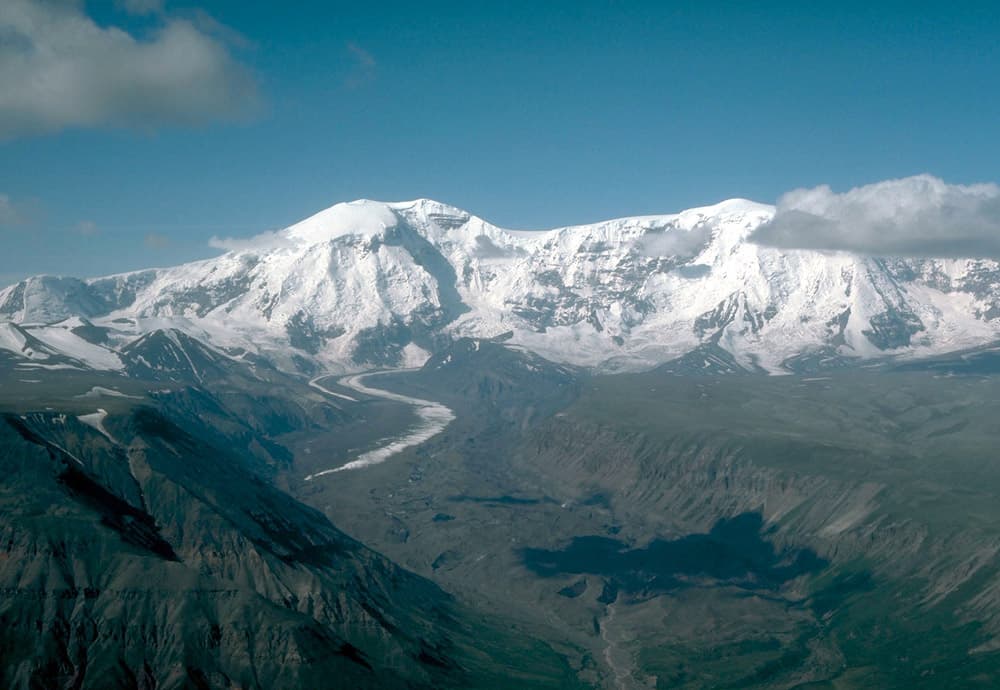
Mount Jarvis rises as a broad, glacier-covered stratovolcano in the heart of the Wrangell Mountains, offering visitors one of Alaska’s most isolated alpine environments. Its location within Wrangell-St. Elias National Park and Preserve places it among the largest protected wilderness areas in the United States, where vast icefields, braided rivers, and untouched tundra create a landscape shaped by volcanic and glacial forces over millennia.
How to Reach the Mountain
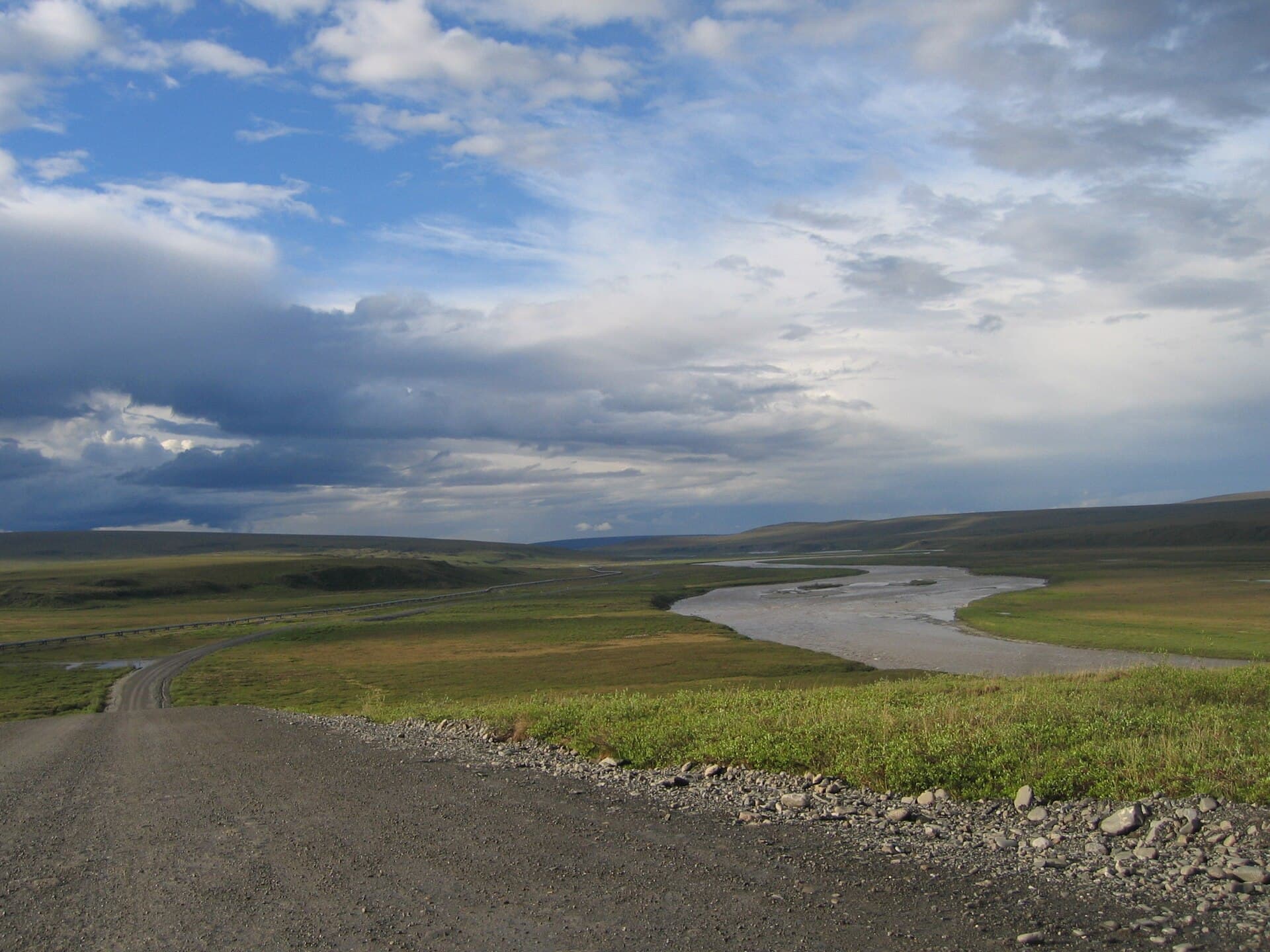
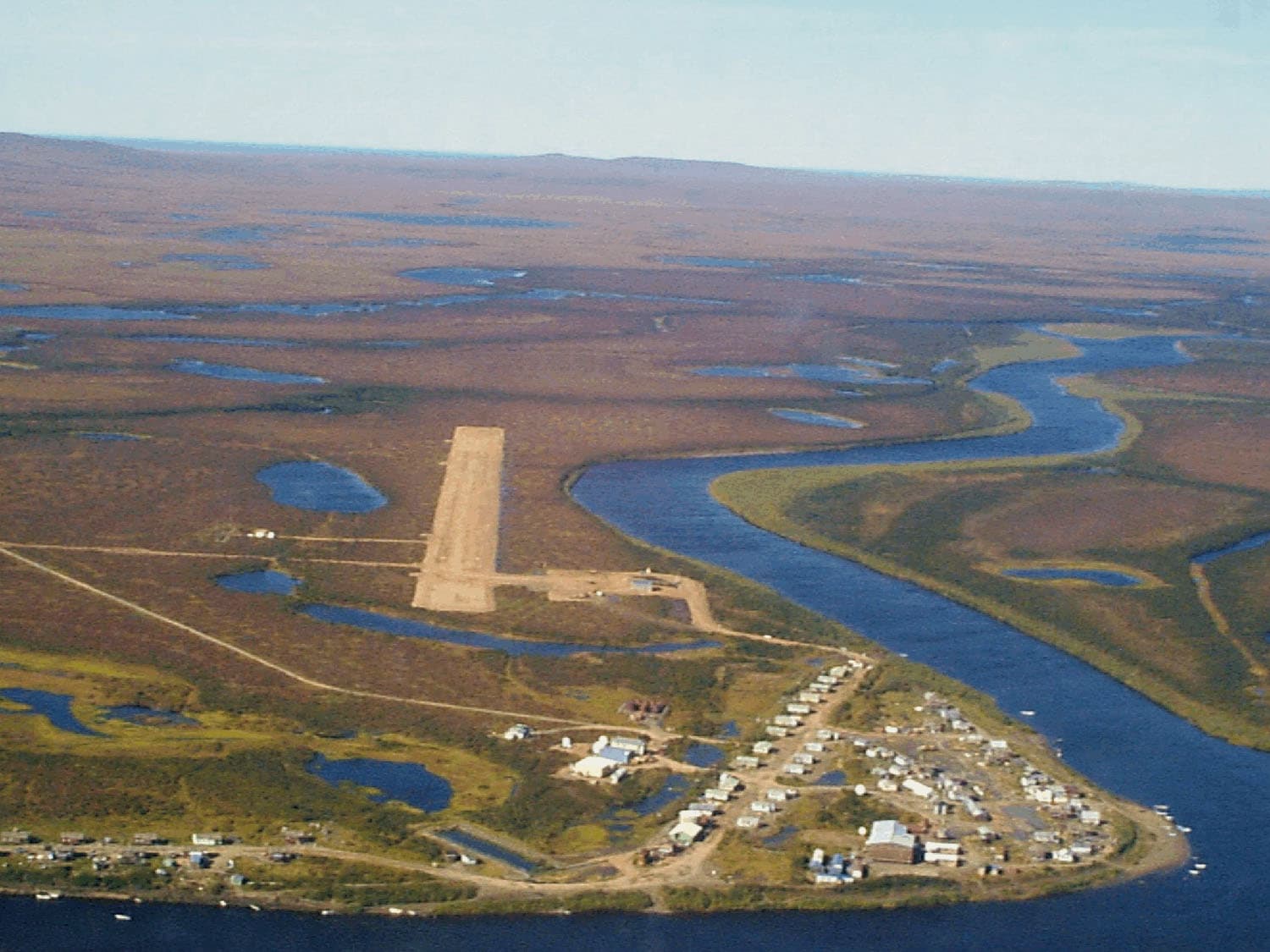
Access begins in the Copper River Basin. Most travelers fly into Anchorage or Fairbanks, then drive the Richardson Highway to the small community of Chitina. From there, the unpaved McCarthy Road leads toward the park’s western edge. Because no roads reach the base of Mount Jarvis itself, visitors arrange bush-plane flights from McCarthy or Nabesna to land on nearby gravel bars or high glacial benches. Multi-day backpacking routes exist from the Nabesna Road but require serious route-finding across braided rivers and moraines.
Best Time to Visit
The climbing and hiking season runs from mid-June through early September when snow bridges are stable and daylight is long. July and August bring the most reliable weather windows, though afternoon thunderstorms and sudden fog remain common. Winter travel is possible only for experienced ski mountaineers equipped for extreme cold and avalanche terrain.
Activities on and Around the Peak
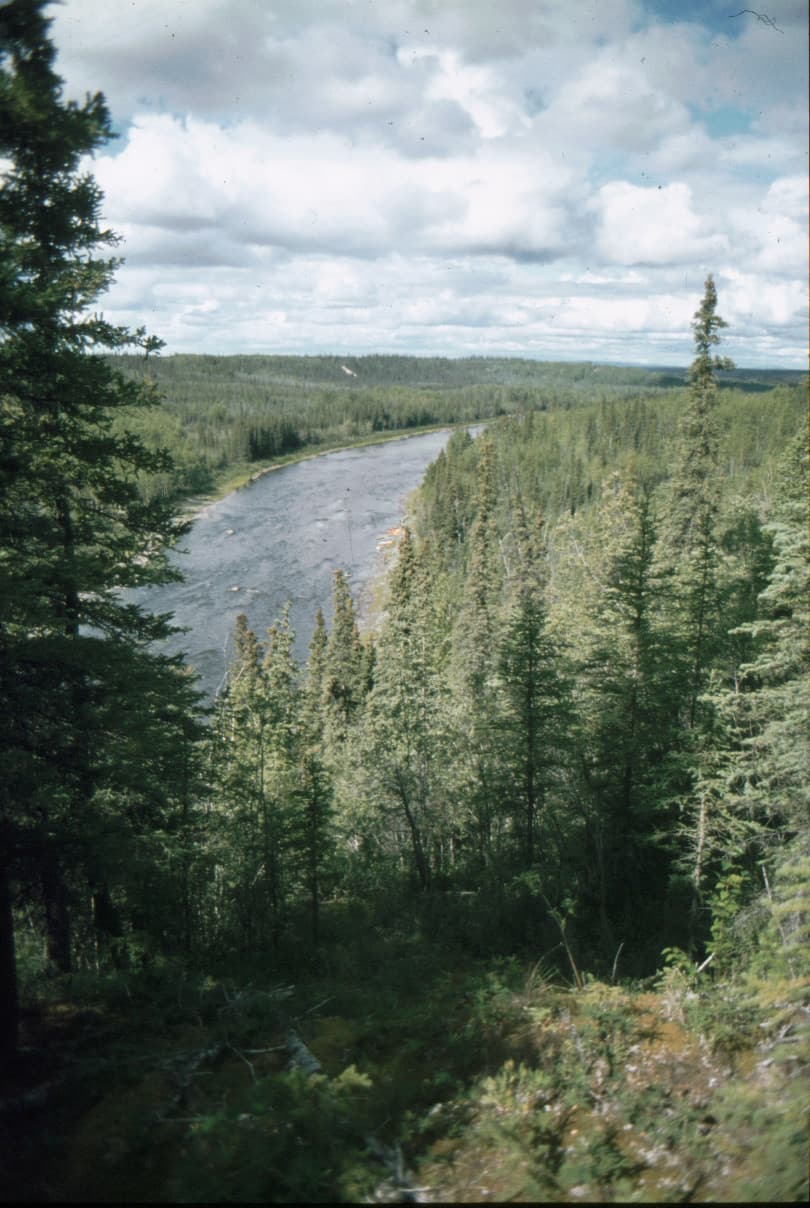
Experienced mountaineers ascend via the west or south ridges, negotiating steep snow and ice slopes. The summit plateau provides panoramic views of neighboring volcanoes including Mount Sanford and Mount Blackburn. Lower elevations offer excellent backpacking through alpine meadows and along the Copper and Chitina river corridors for wildlife viewing, especially Dall sheep and grizzly bears. Photographers prize the golden light on the icefields during the long summer evenings.
Nearby Destinations Worth Exploring
After a climb, many visitors continue to the historic mining towns of McCarthy and Kennicott to tour the Kennecott Mines National Historic Landmark. The Root Glacier offers guided ice hiking, while the Nabesna Road provides easier vehicle access to other Wrangell peaks and hot springs. The entire region rewards slow travel by foot or small plane rather than rushed itineraries.