Keep reading
Nearby & related
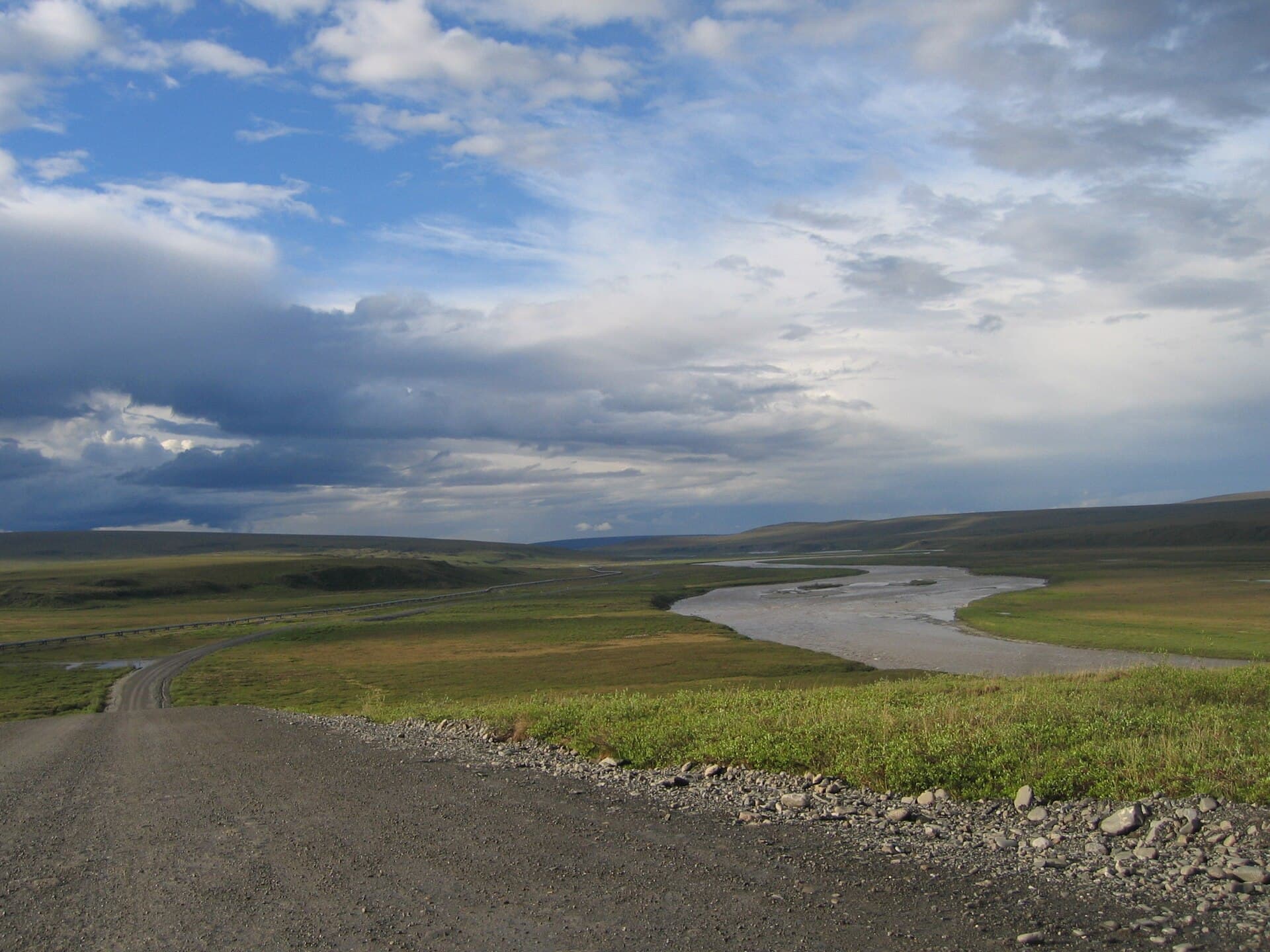
Sagavanirktok River: Rafting Alaska’s Remote Arctic Frontier
Experience the wild, roadless beauty of one of Alaska’s northernmost rivers on the North Slope.
17 August 2026
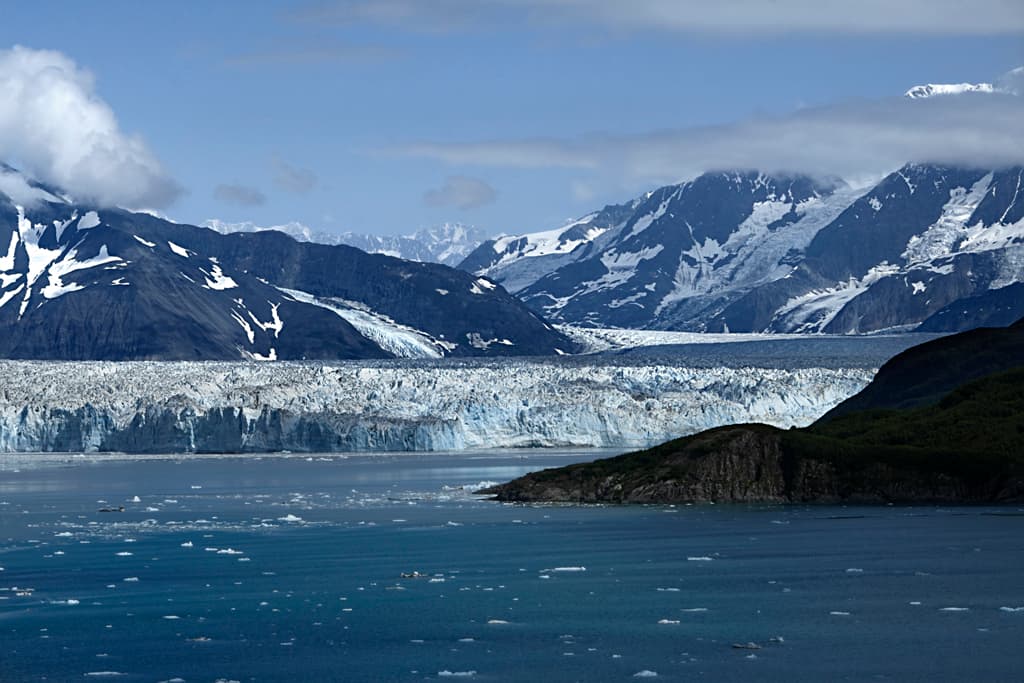
Discover the remote majesty of Mount Hubbard, a 14,951-foot giant offering unparalleled wilderness views in Alaska's vast national park.
Mount Hubbard rises dramatically on the Alaska-Yukon border within Wrangell-St. Elias National Park and Preserve, the largest national park in the United States. Its glaciated slopes and sheer granite faces form part of the Saint Elias Mountains, a UNESCO World Heritage site known for some of the continent’s most dramatic vertical relief. Visitors are drawn by the chance to experience true wilderness, where massive icefields and jagged peaks create a landscape shaped by tectonic forces and heavy snowfall.
Access requires careful planning due to the mountain’s isolation. Most travelers fly into Yakutat or Juneau, then take a bush plane or helicopter from the small community of McCarthy or Chitina. No roads reach the peak itself, so scenic flights provide the primary way to approach and circle the mountain for photographs and orientation. Ground travel involves long drives on the unpaved McCarthy Road followed by river crossings or further flights.
Summer months from June through August offer the longest daylight and mildest conditions for flightseeing and hiking. Winter brings extreme cold and limited daylight, while spring and fall can deliver unstable weather that grounds aircraft. Clear days remain rare even in peak season, so flexible itineraries are essential.
Most visitors experience Mount Hubbard through aerial tours that reveal its scale alongside neighboring peaks and the immense Malaspina Glacier. On the ground, day hikes from trails near McCarthy or Kennecott provide distant views across valleys filled with braided rivers. Serious mountaineers may attempt the challenging ascent via the southeast ridge, but this demands advanced skills, permits, and self-sufficiency in a remote environment with no rescue infrastructure nearby.
The surrounding park holds additional highlights including the historic Kennecott Mines, Root Glacier hiking routes, and the expansive Bagley Icefield. Travelers often combine a Hubbard visit with exploration of the Copper River basin or a boat trip on Yakutat Bay to see tidewater glaciers calving into the ocean.
Keep reading
Experience the wild, roadless beauty of one of Alaska’s northernmost rivers on the North Slope.
No, the mountain itself is a technical climb for experienced mountaineers only. Casual visitors enjoy it best through flightseeing or distant hiking trails within the national park.
The peak lies roughly 200 miles east of Anchorage, but the lack of roads means most travelers reach the area by a combination of driving the Glenn Highway and then flying from smaller airstrips.
Independent climbing is possible but strongly discouraged because of the extreme remoteness, crevasse hazards, and absence of support services; most parties use professional guides.
Visitors often spot grizzly bears, Dall sheep, mountain goats, and golden eagles in the lower valleys and ridges surrounding the peak.
There are no developed facilities or services near the mountain; all visitors must be fully self-sufficient with food, shelter, and communication equipment.
Paddle, fish, and explore the untouched Buckland River deep in northwest Alaska’s Arctic landscape.
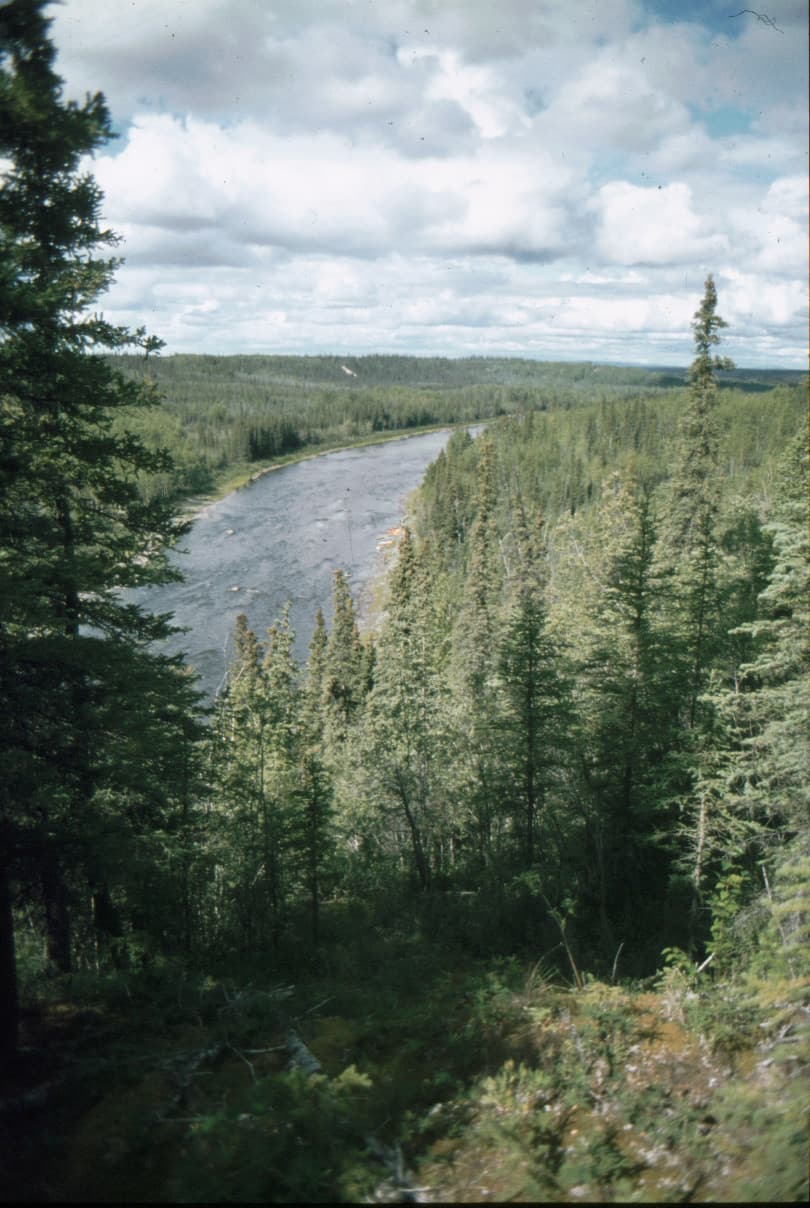
The Gulkana River delivers remote Alaska wilderness, world-class salmon runs, and scenic multi-day floats in the Copper…