Keep reading
Nearby & related
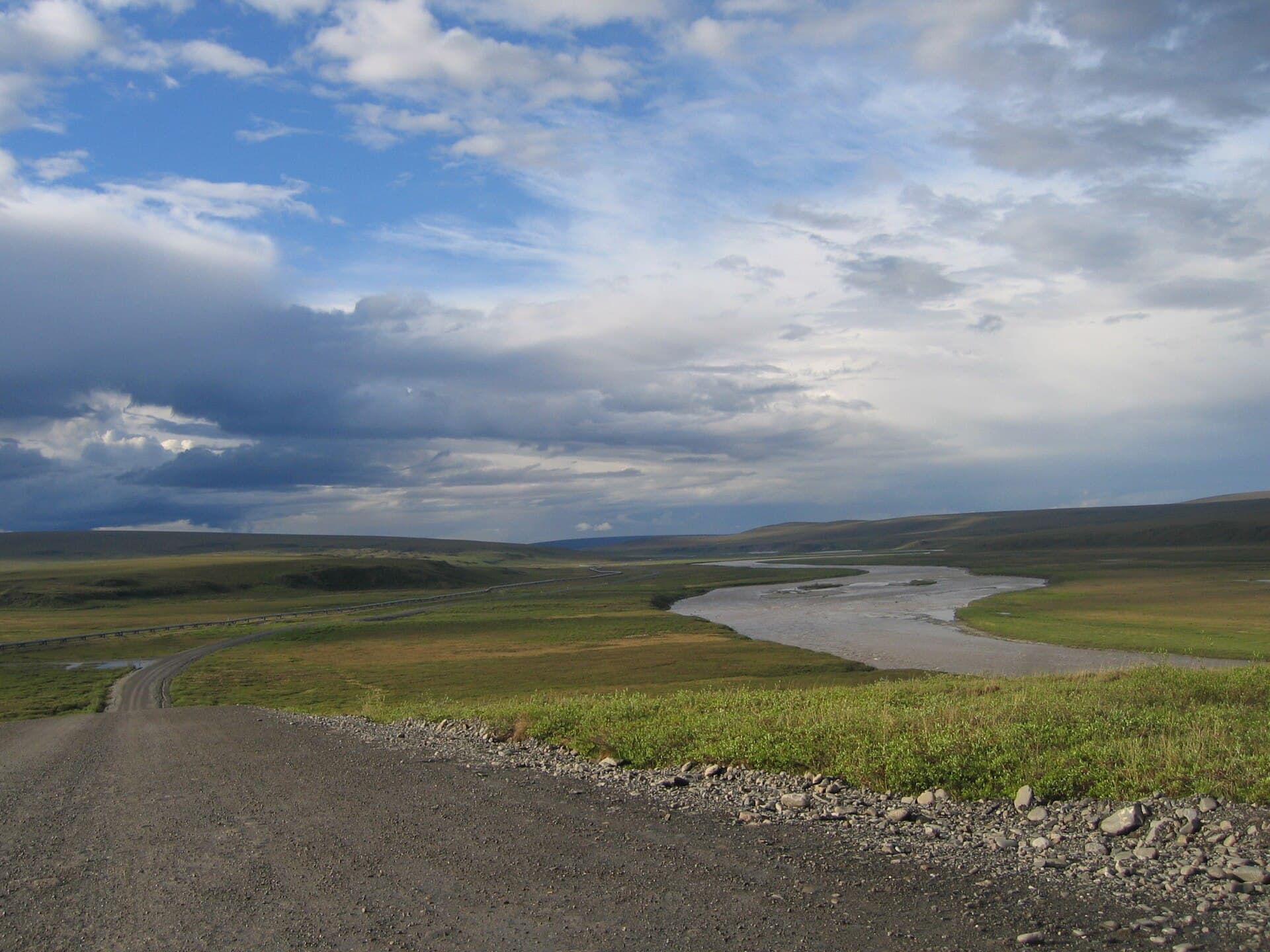
Sagavanirktok River: Rafting Alaska’s Remote Arctic Frontier
Experience the wild, roadless beauty of one of Alaska’s northernmost rivers on the North Slope.
17 August 2026
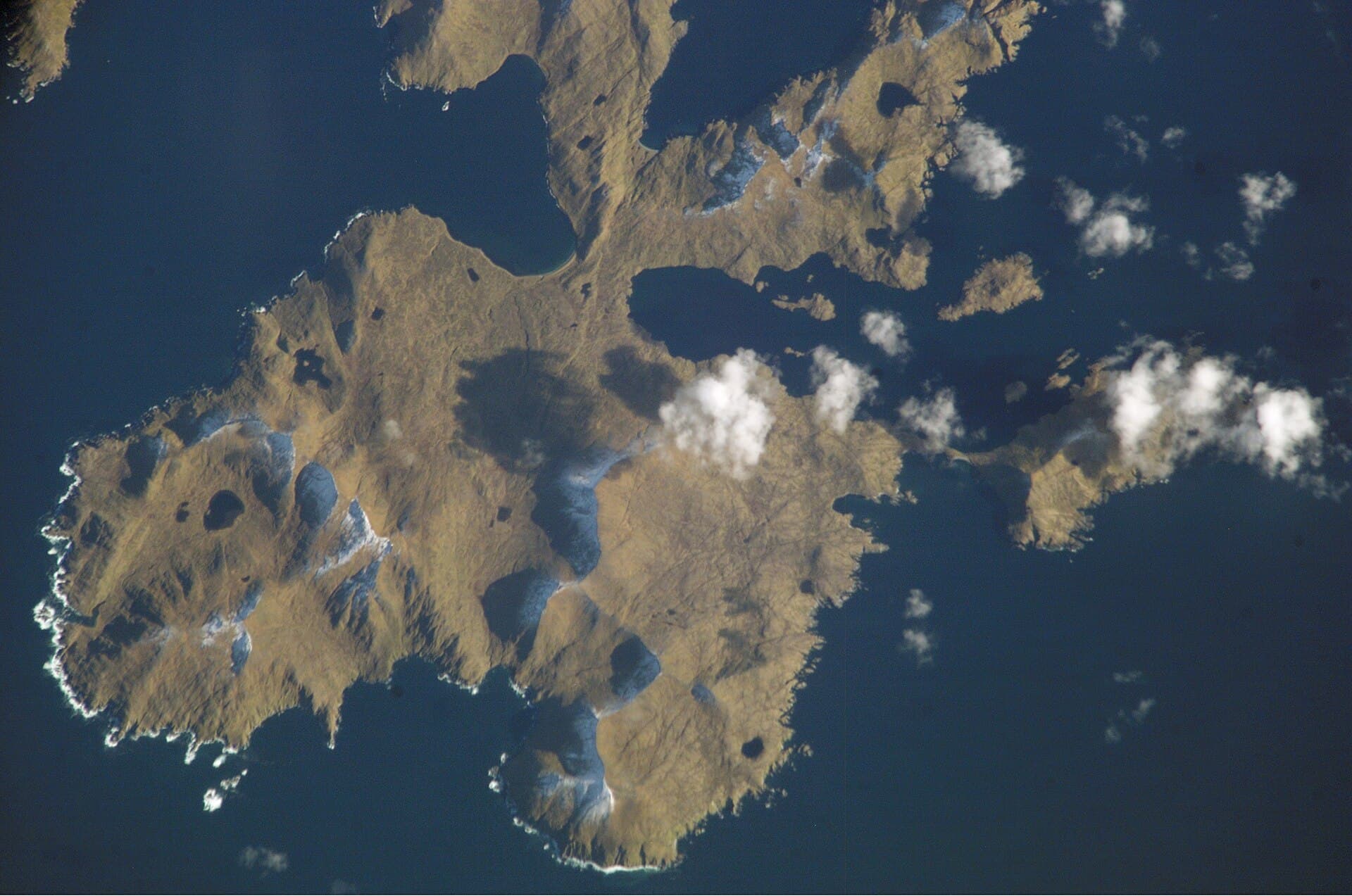
This uninhabited Aleutian island offers rugged volcanic terrain, exceptional seabird colonies, and true wilderness solitude.
Little Tanaga Island lies in the central Aleutians, part of the Alaska Maritime National Wildlife Refuge. Its steep, grassy slopes and rocky shores remain free of roads or settlements, preserving habitat for dense concentrations of seabirds and marine mammals. Visitors experience the same raw volcanic landscape that defines the entire island arc stretching toward Asia.
Access begins with a commercial flight to Adak or Dutch Harbor. From there, arrange a multi-day boat charter with local operators familiar with Aleutian waters. Landings occur at sheltered coves; expect to transfer via skiff to shore. No docks or facilities exist, so travelers must be fully self-sufficient with tents, food, and safety gear.
July and August bring the mildest temperatures and longest daylight for hiking and wildlife viewing. Sea ice is absent, and most migratory seabirds are nesting. Earlier or later months increase risks from storms and reduced daylight.
Thick colonies of auklets, puffins, and kittiwakes occupy cliff faces along the western shore. Sea otters raft in kelp beds while harbor seals haul out on reefs. Inland, hikers follow faint game trails across tundra dotted with wildflowers. Kayakers can circumnavigate the island in calm conditions, noting the dramatic contrast between sheltered bays and exposed headlands pounded by Pacific swells.
Great Sitkin Island lies immediately north, offering similar terrain and hot springs. Adak Island to the west provides the nearest services and historical World War II sites. Together these islands illustrate the Aleutian ecosystem’s continuity across the North Pacific.
Keep reading
Experience the wild, roadless beauty of one of Alaska’s northernmost rivers on the North Slope.
No permanent residents live on the island; it remains entirely undeveloped within the wildlife refuge.
Expect large seabird colonies, sea otters, harbor seals, and occasional brown bears or foxes.
Most visitors spend three to seven days to allow time for weather delays and exploration.
No maintained trails exist; travel relies on natural routes across tundra and along beaches.
Camping is permitted on most beaches and level ground, but avoid sensitive bird nesting areas.
Paddle, fish, and explore the untouched Buckland River deep in northwest Alaska’s Arctic landscape.
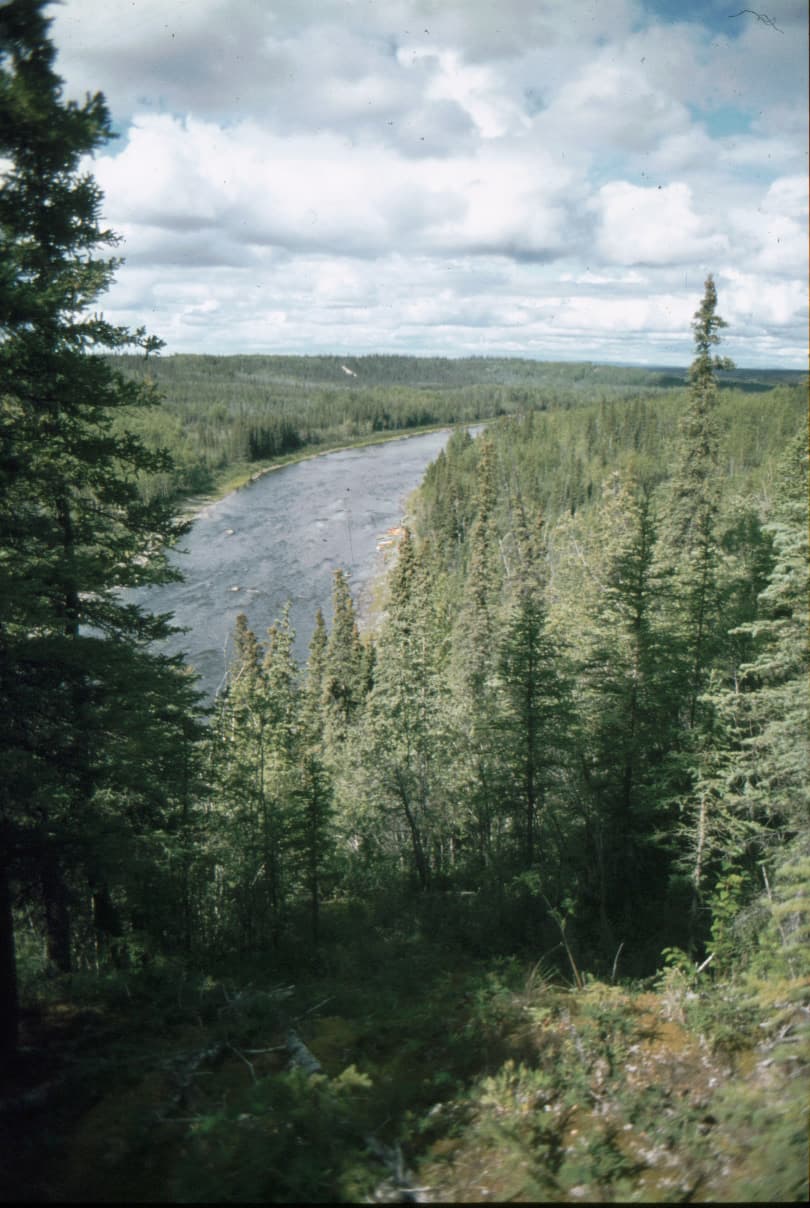
The Gulkana River delivers remote Alaska wilderness, world-class salmon runs, and scenic multi-day floats in the Copper…