Why Visit Adak Island
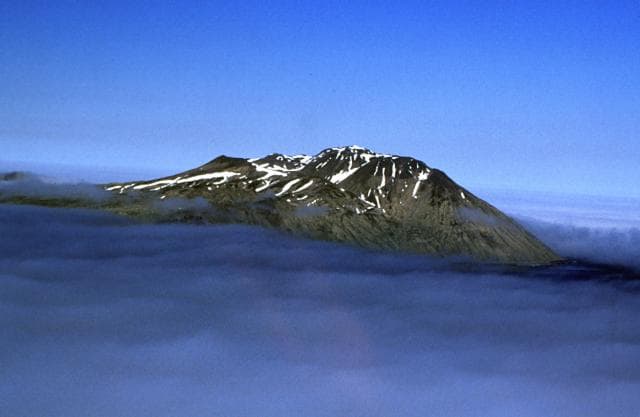
Adak Island sits at the western end of the Andreanof Islands group, roughly 1,200 miles from Anchorage. Its treeless volcanic terrain, steep coastal cliffs, and frequent fog create a stark, windswept landscape that feels untouched by modern development. The island’s isolation makes it a premier destination for travelers seeking genuine wilderness and a tangible connection to World War II history.
Getting There
Access is limited to commercial flights that land at Adak Airport from Anchorage several times each week. Travelers should plan multi-day layovers in Anchorage because weather frequently cancels service. Once on the island, a handful of rental vehicles and guided tours provide the only practical way to reach trailheads and coastal viewpoints; no public transit exists.
Things to See and Do
World War II Remnants
During the 1940s the U.S. Navy constructed a major base on Adak. Concrete bunkers, overgrown runways, and rusted Quonset huts still line the valleys. Visitors can hike the old road network to explore these sites while respecting unstable structures and fragile tundra.
Wildlife and Nature
The surrounding waters host sea otters, harbor seals, and Steller sea lions. In summer, cliffs swarm with nesting auklets, puffins, and kittiwakes. Anglers find excellent shore and boat fishing for halibut and rockfish. Short hikes to Lake Andrew and the western beaches offer sweeping views of the Pacific and Bering Sea meeting.
Best Time to Visit
July and August bring the mildest temperatures and longest daylight, though rain and wind remain constant. Spring offers fewer insects and good bird migration; fall provides dramatic storms and vivid autumn colors on the tundra. Winter travel is discouraged because of prolonged darkness and frequent closures.
Nearby Attractions
From Adak, charter boats can reach nearby islands such as Kanaga and Tanaga for multi-day camping trips. The entire Aleutian chain forms part of the Alaska Maritime National Wildlife Refuge, so every outing contributes to observing one of the world’s richest marine ecosystems.