Why the Koyukuk River Stands Out
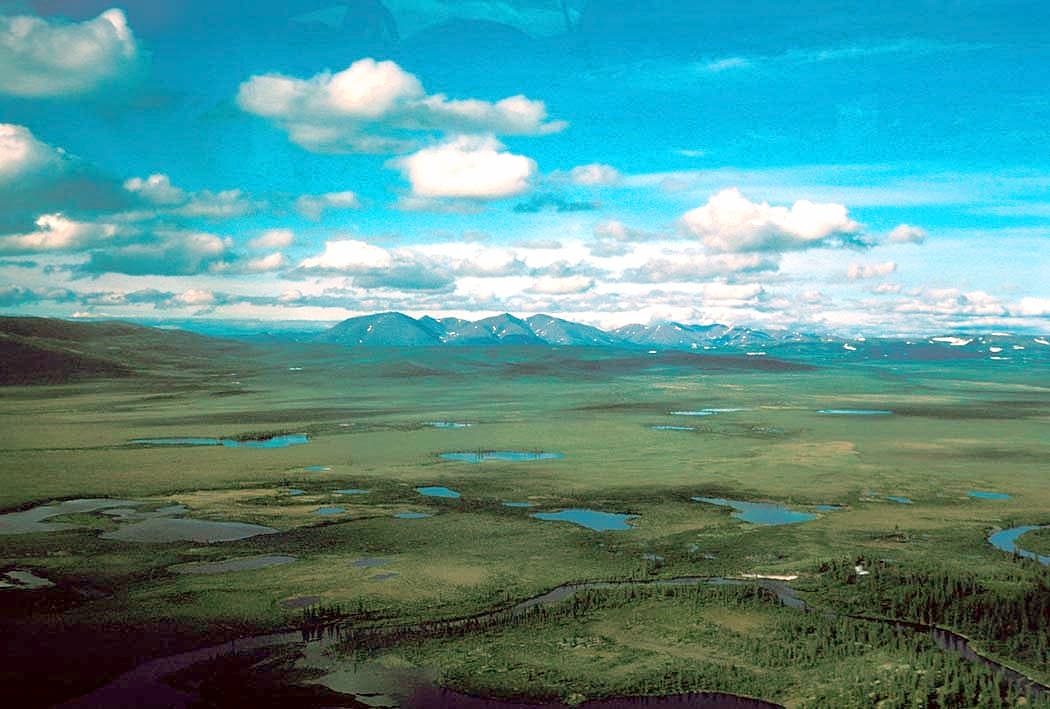
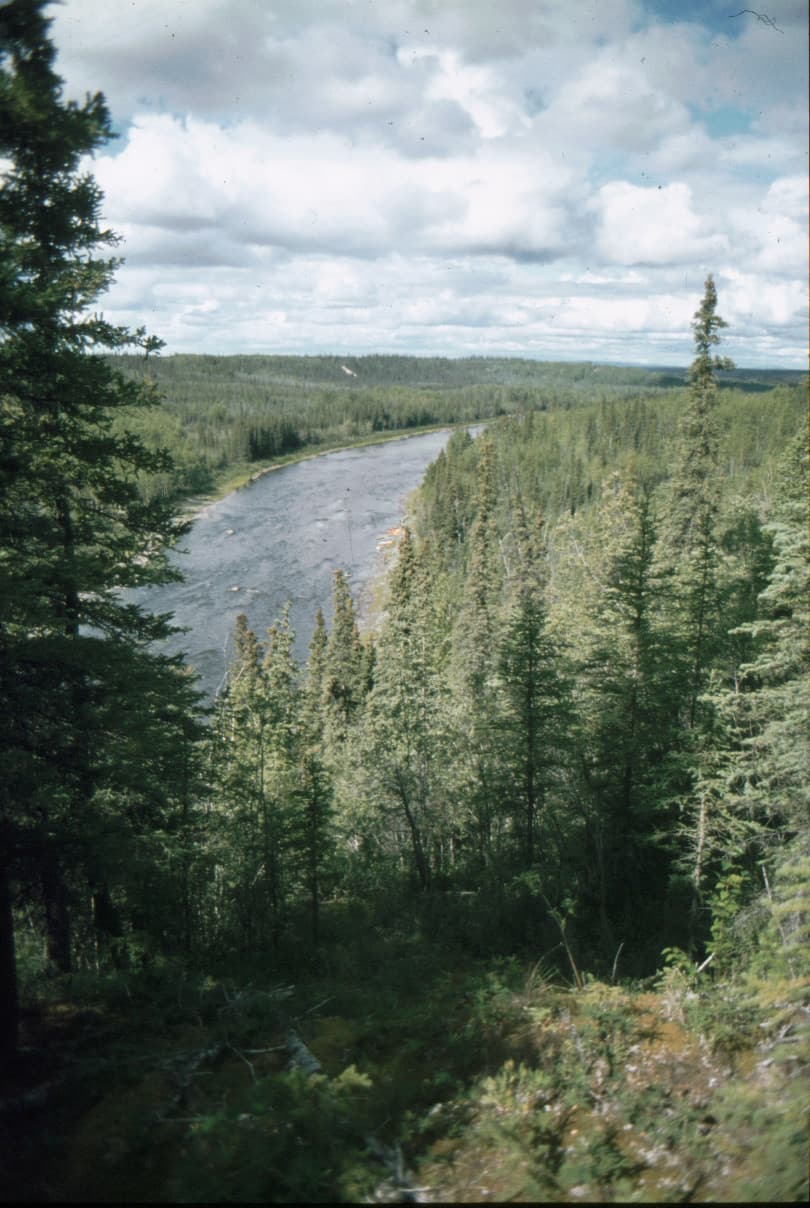
The Koyukuk River drains a vast, roadless section of interior Alaska, originating in the jagged peaks of the Brooks Range and flowing roughly 500 miles south to meet the Yukon River. Its upper reaches cut through Gates of the Arctic National Park and Preserve, while lower sections border the Kanuti National Wildlife Refuge, creating a continuous corridor of boreal forest, tundra, and braided channels rarely seen by outsiders.
Activities on the Water
Multi-day raft or canoe trips are the classic way to experience the river. Anglers target king, chum, and coho salmon in season, along with Arctic grayling, northern pike, and sheefish. Wildlife viewing is exceptional: moose feed along sloughs, caribou cross the river during migration, and brown bears fish the shallows. The flatwater sections suit novice paddlers, while the middle river offers occasional Class II rapids for added interest.
Fishing and Hunting Traditions
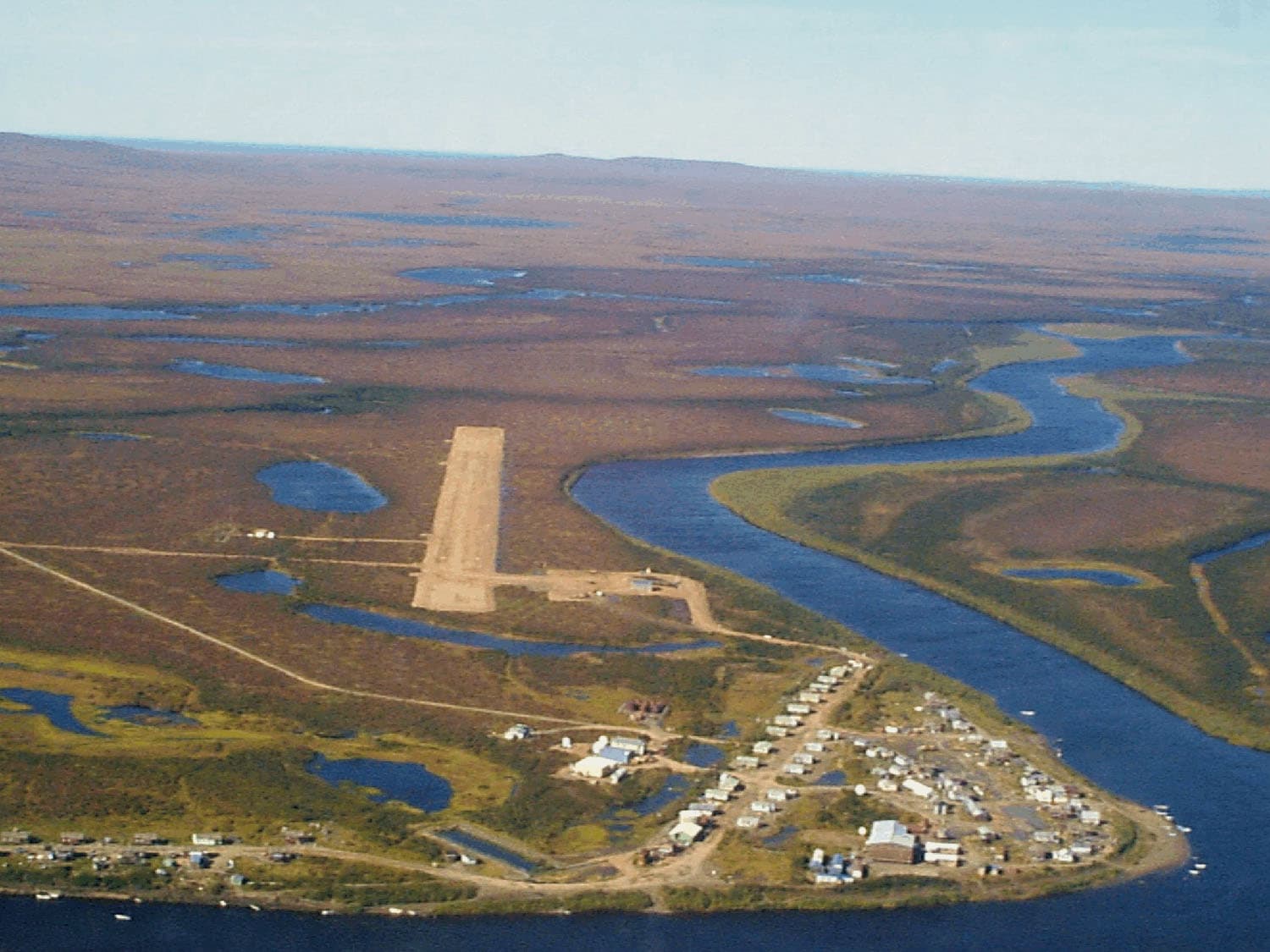
Subsistence and sport fishing have long been central to life along the Koyukuk. Local Athabascan communities still rely on the river’s salmon runs, and visitors can learn traditional smoking and drying techniques from residents in the villages of Allakaket and Hughes.
How to Reach the River
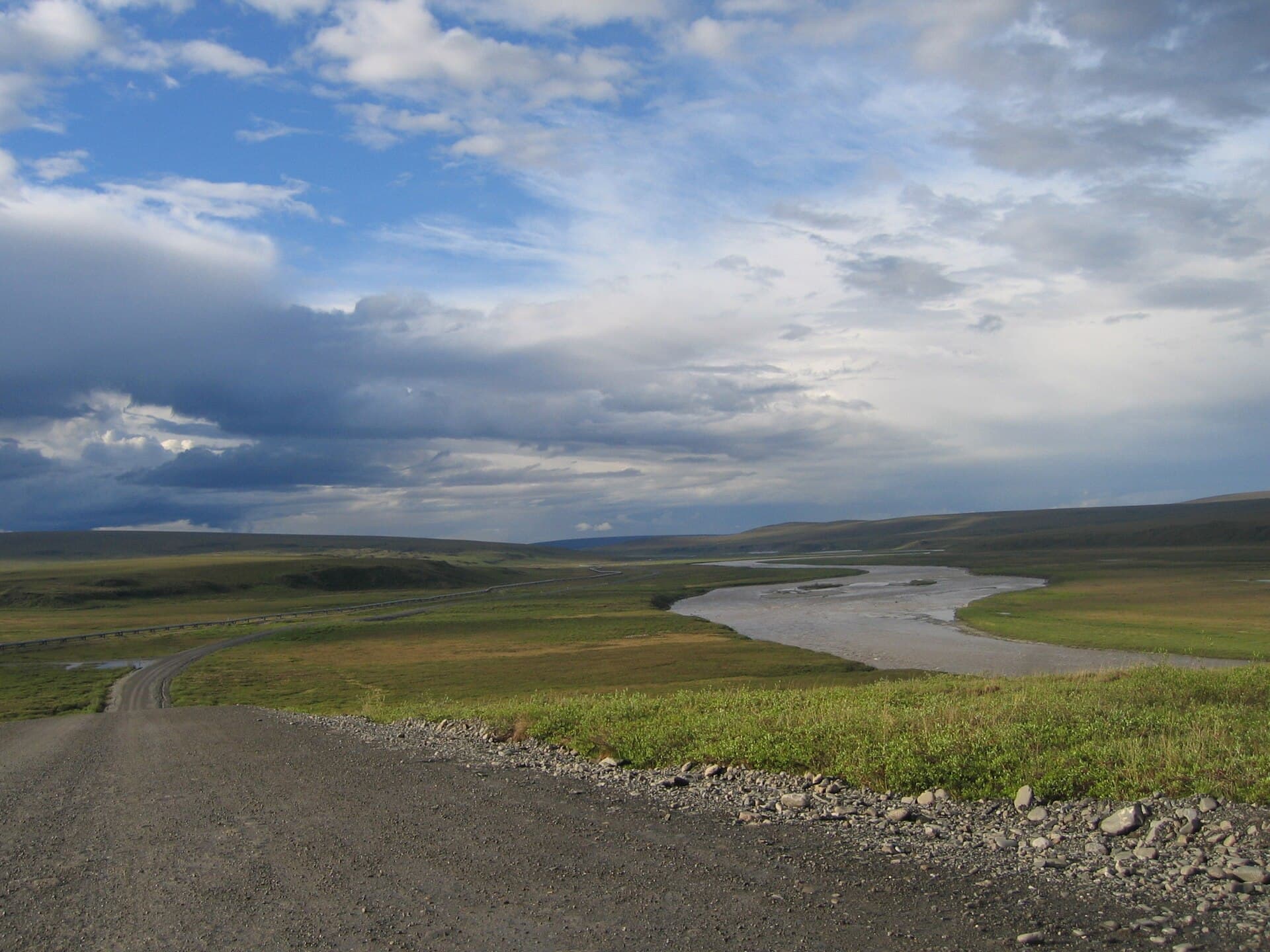
Most travelers fly into Fairbanks, then take a scheduled flight or charter to Bettles or Allakaket. From there, river access is by boat or floatplane. A few gravel bars near the Dalton Highway provide limited road access for the lower river, but the true wilderness sections require air or boat travel.
Best Time to Visit
June through early September offers ice-free water and long daylight hours. Peak salmon runs occur in July and August, while September brings fall colors and fewer insects. Winter travel is possible by snowmachine or dogsled, but requires extreme preparation and local knowledge.
Nearby Destinations
From the Koyukuk, travelers can continue to the Yukon River or arrange flights into Gates of the Arctic for backpacking. The Dalton Highway lies to the east, offering a land route for those who want to combine river time with Arctic Circle crossings and hot-spring stops.