Why Visit Igitkin Island
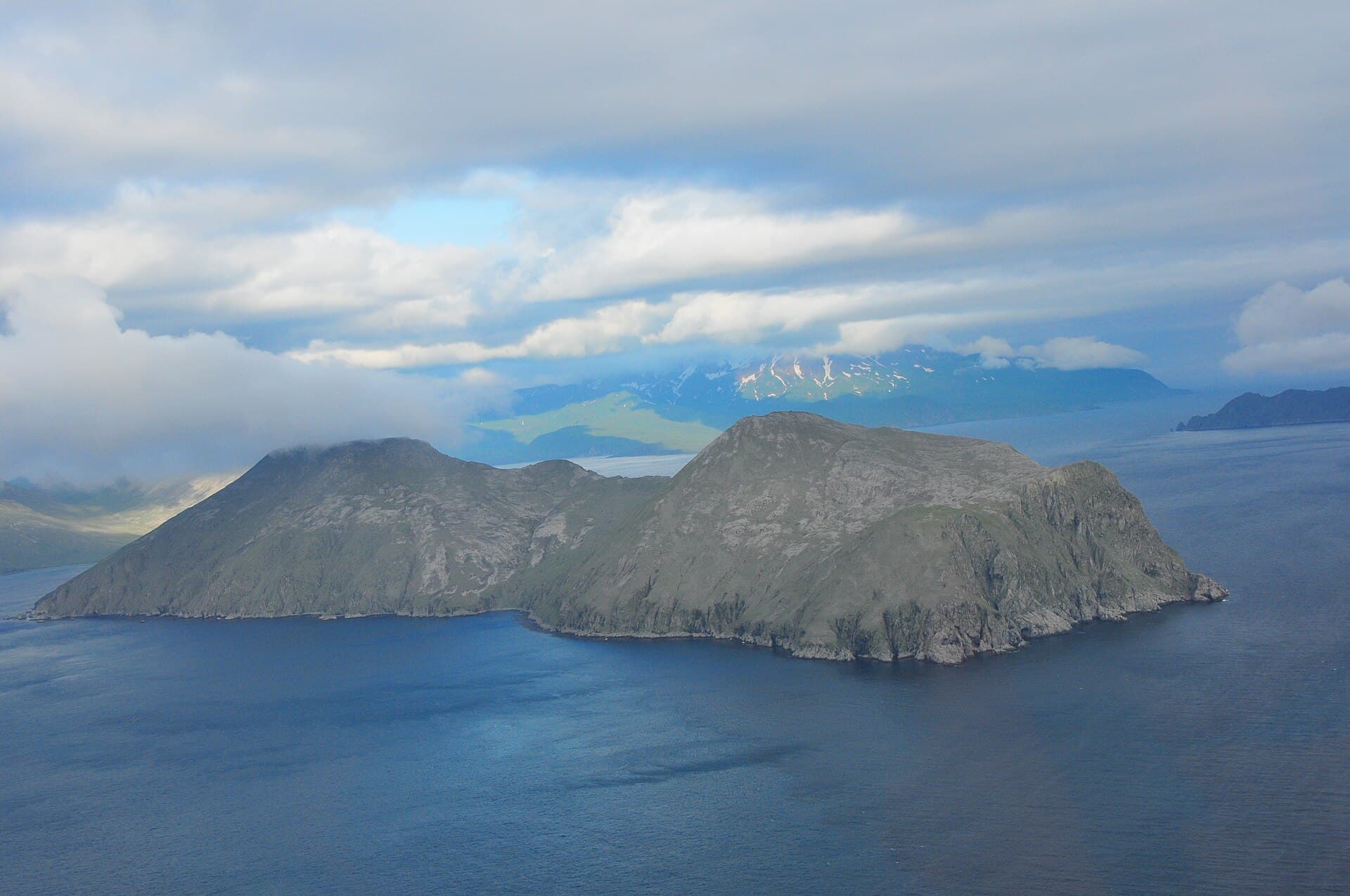
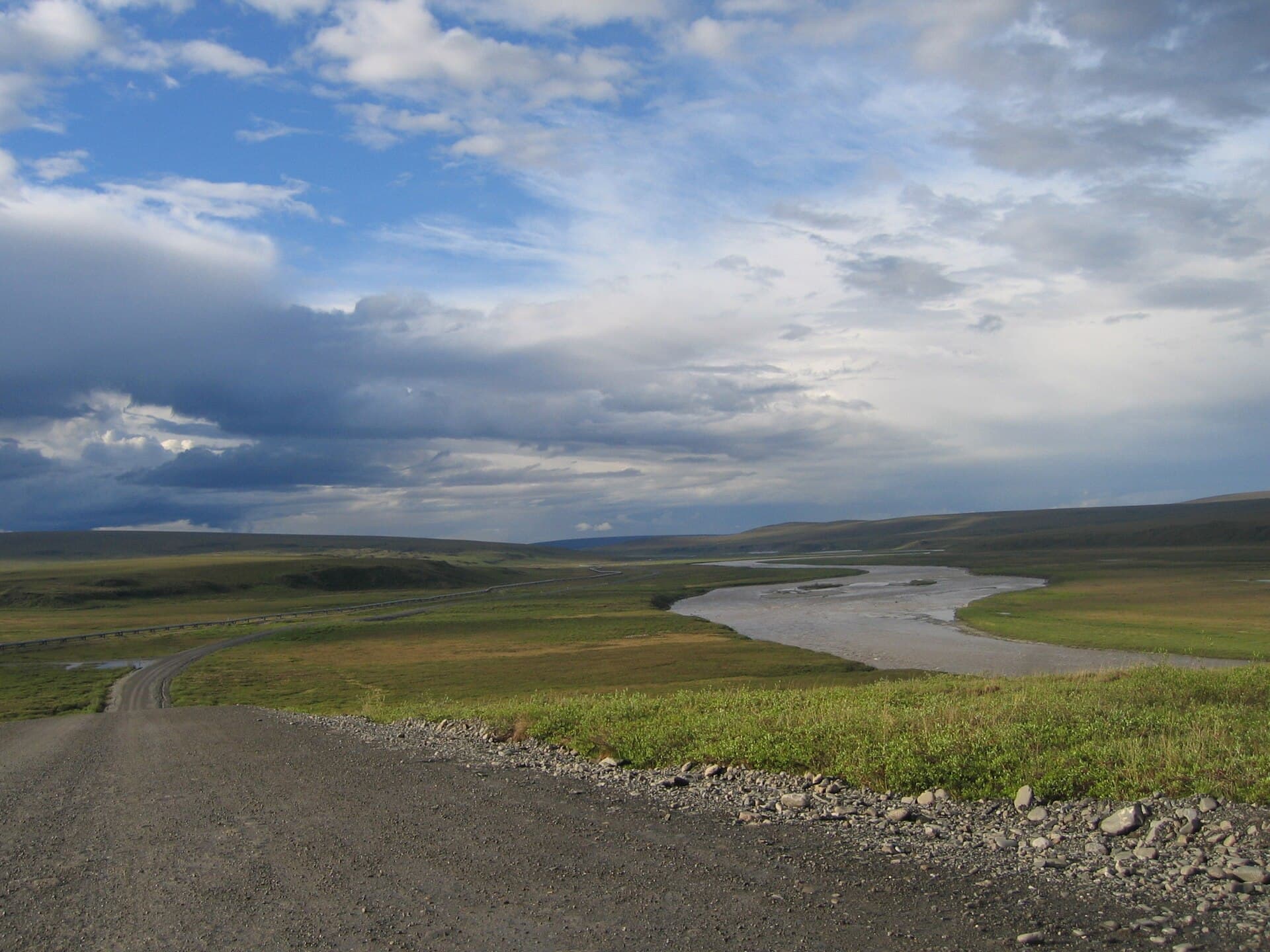
Igitkin Island sits in the Andreanof Islands group of the Aleutian chain, a compact volcanic landmass surrounded by rich marine waters. Its isolation has preserved dense seabird colonies, rocky shorelines, and tundra slopes that remain largely free of human impact. Visitors come for the raw sense of wilderness rather than developed trails or facilities.
Getting There
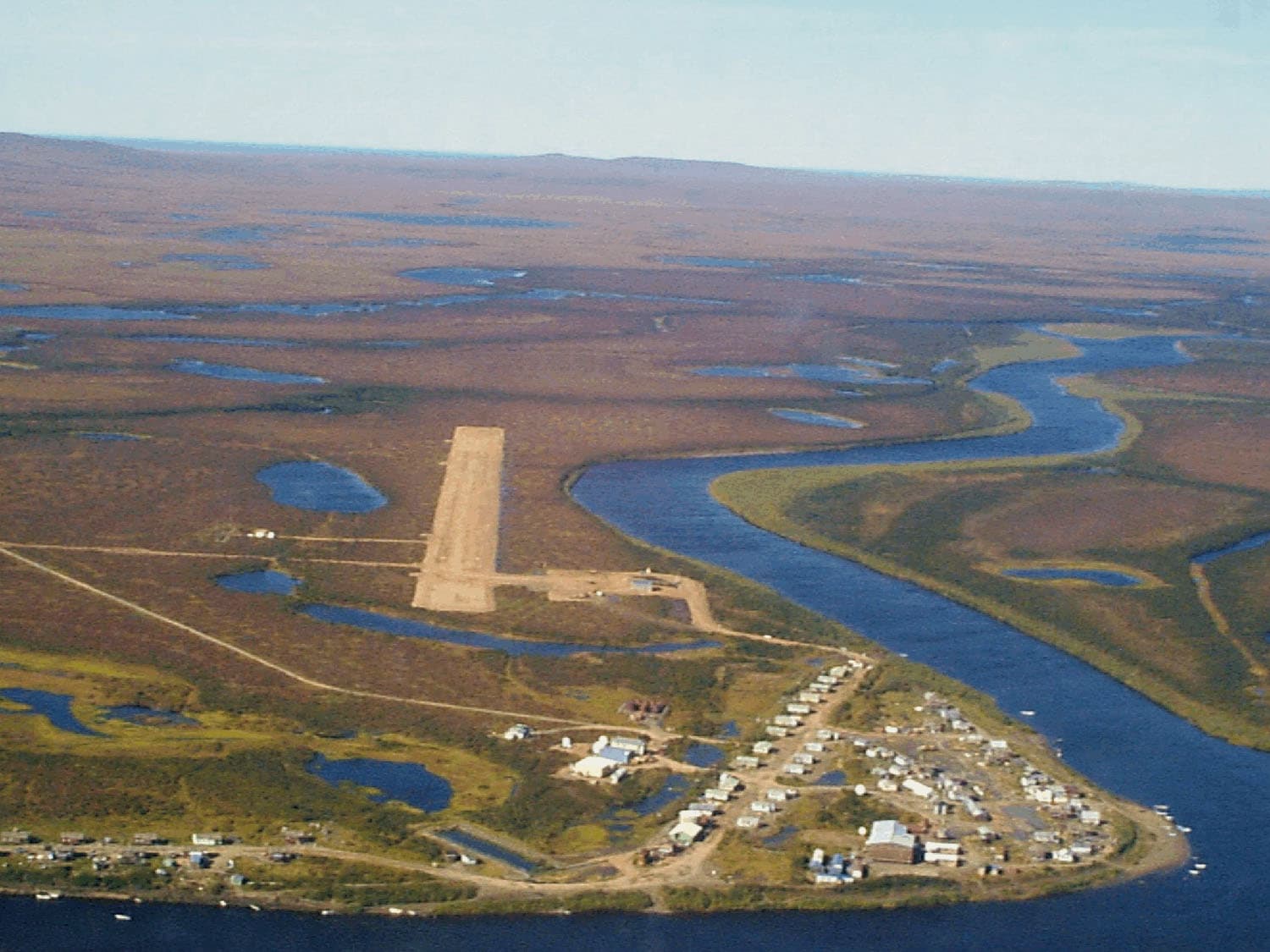
Reach the island by first flying into Adak Airport, the nearest reliable hub with scheduled service from Anchorage. From Adak, arrange a charter boat or small aircraft for the final leg across open water. Weather windows are short, so flexible itineraries are essential. Most trips operate as day excursions or overnight camping with full self-sufficiency required.
Best Time to Visit
June through early September offers the longest daylight, calmest seas, and peak seabird activity. Winter brings fierce storms and limited access; shoulder months can deliver dramatic light but increase risk of cancellations.
What to See and Do
Focus on coastal walks along black-sand beaches and low ridges where tufted puffins, kittiwakes, and murres nest in summer. Marine mammals such as sea otters and harbor seals frequent nearshore kelp beds. Inland, gentle slopes support low-lying tundra plants and occasional fox sightings. Kayakers can explore sheltered coves when conditions allow, while photographers target dramatic volcanic backdrops at sunrise and sunset.
Wildlife Viewing Guidelines
- Stay on established beach routes to avoid disturbing nesting sites.
- Keep a respectful distance from all animals; binoculars are more useful than close approaches.
- Carry binoculars and a spotting scope for distant colony viewing without intrusion.
Nearby Destinations
Combine a visit with nearby Kanaga Island or Adak Island for additional birding and World War II history. The broader Alaska Maritime National Wildlife Refuge encompasses dozens of similar islands, creating opportunities for multi-island itineraries when weather cooperates.