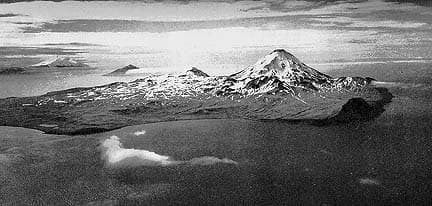
Why Visit Kanaga Island
Kanaga Island stands out in the Aleutian chain for its striking volcanic cone rising directly from the sea and its position within the Alaska Maritime National Wildlife Refuge. The island offers visitors a rare chance to witness an active stratovolcano in a completely undeveloped setting surrounded by rich marine ecosystems. Its isolation has preserved habitats for thousands of seabirds, sea otters, and harbor seals that thrive along its rocky shores and cliffs.
Getting There
Access requires careful planning because no roads or regular ferry service exist. Most travelers fly into Adak Airport on Adak Island, then arrange charter floatplane or boat transport across the 20-mile channel. Weather windows are essential, as frequent fog and high winds can delay departures for days. All visitors must be fully self-sufficient with gear, food, and emergency communication equipment.
Best Time to Visit
The most reliable period runs from late May through early September when daylight is long and temperatures are least severe. During these months, breeding seabirds fill the cliffs and wildflowers appear in sheltered valleys. Winter visits are possible only for experienced expedition teams because of extreme storms and darkness.
What to See and Do
Primary activities center on hiking the lower slopes of Kanaga Volcano, where lava flows and ash fields create striking terrain. Coastal walks reveal tide pools teeming with marine life and opportunities to observe otters and seals. Kayakers can circumnavigate sections of the shoreline on calm days, while birdwatchers focus on the northern and western cliffs that host auklets, puffins, and kittiwakes. The island’s interior holds small lakes and tundra meadows that support nesting waterfowl.
Nearby Destinations
From Kanaga, clear days reveal neighboring Tanaga Island to the west and the larger Adak Island to the east. These islands share similar volcanic origins and wildlife but offer different hiking profiles and historic World War II remnants on Adak. Multi-island boat charters allow exploration of the central Aleutians in one trip.
Practical Considerations
Visitors should expect rapid weather changes and carry layers for wind, rain, and sun. Leave-no-trace principles are mandatory because the island has no facilities or waste management. Bear safety protocols apply even though brown bears are absent; focus instead on avoiding disturbance to nesting birds and marine mammals.