Why Dease River Stands Out
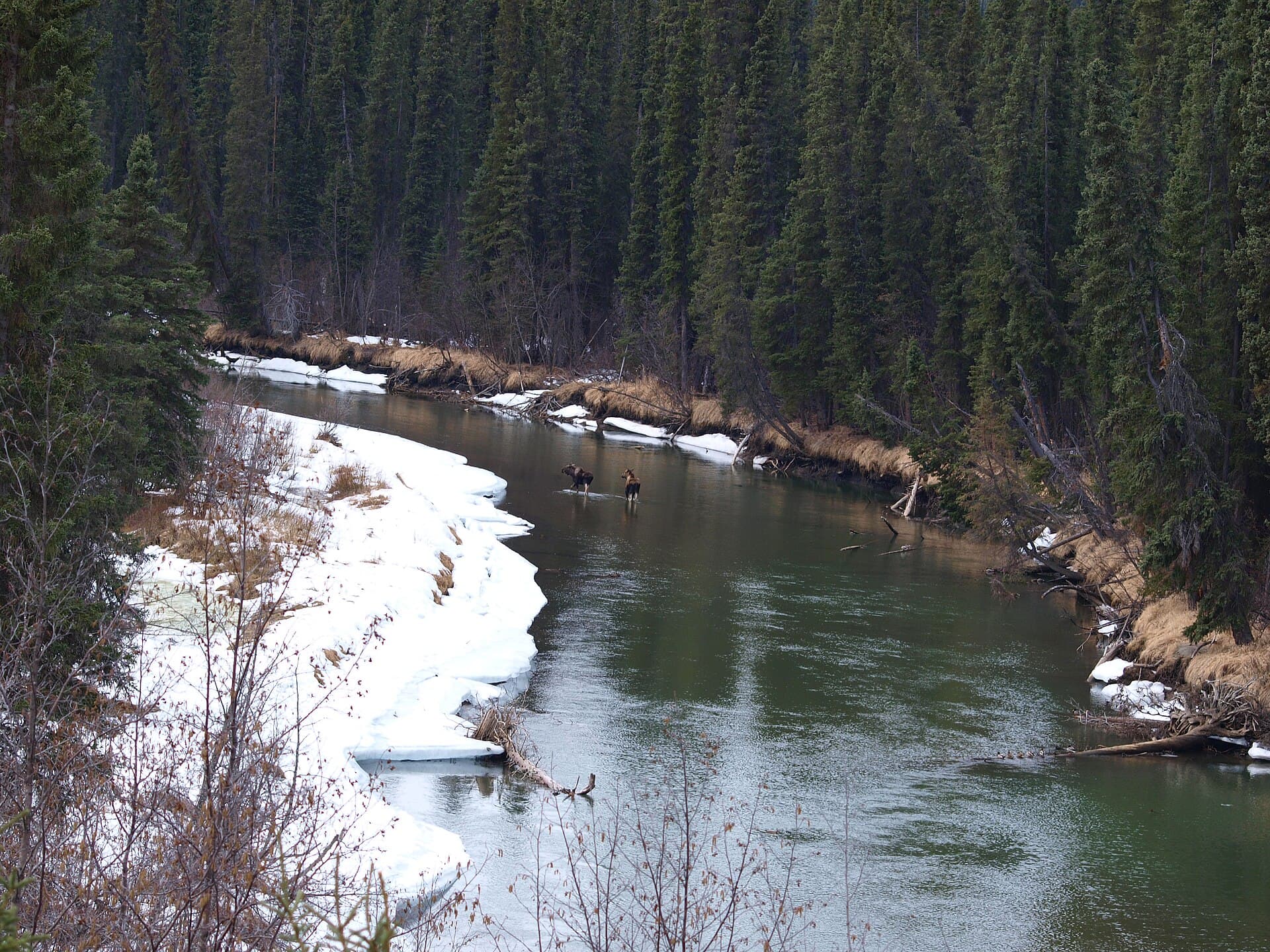
The Dease River drains a vast, lightly populated region of northern British Columbia, flowing northward from Dease Lake through boreal forest and into the Liard River system. Its clear, cold waters support strong populations of bull trout, Arctic grayling, and Dolly Varden, while the surrounding taiga provides habitat for moose, bears, and wolves. Travelers on the Cassiar Highway encounter the river near the community of Dease Lake, where the waterway remains largely free of commercial development.
Fishing and Paddling Opportunities
Anglers wade or drift the river’s gravel bars and deeper runs for trout that average 18–24 inches. Grayling rise readily to dry flies in the slower sections. Canoeists and kayakers can launch at the outlet of Dease Lake and paddle north in multi-day trips, camping on gravel bars. The current is generally moderate, though several Class II rapids require scouting. No permits are needed for day use, but travelers must follow Leave No Trace principles in this remote setting.
Wildlife and Scenery
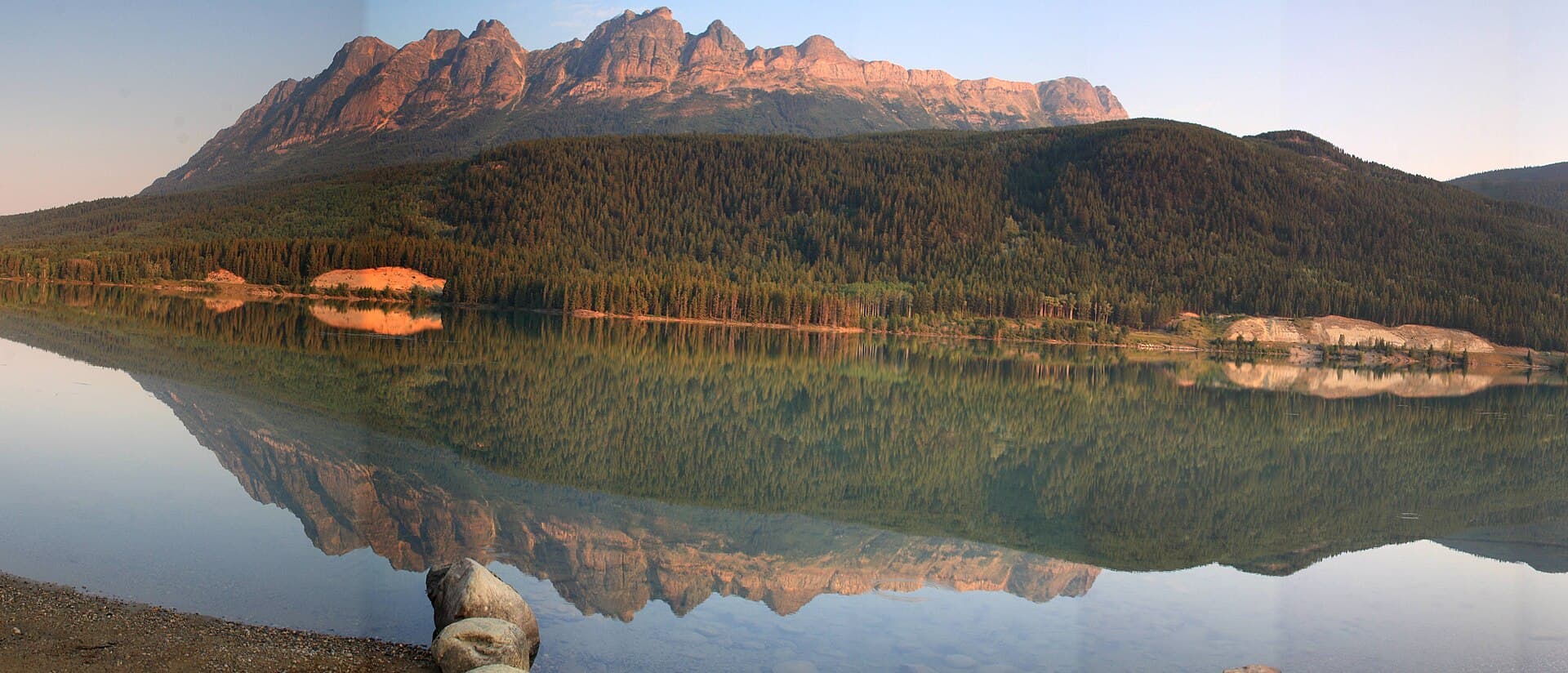
Early morning and evening outings frequently yield sightings of moose feeding in side channels and black bears foraging along the banks. The river valley offers unobstructed views of the Cassiar Mountains to the west and expansive wetlands that attract migratory waterfowl. Autumn colors of dwarf birch and willow provide striking contrast against the dark spruce forest.
Access and Logistics
The river is reached via Highway 37, the Cassiar Highway, which connects the Yellowhead Highway in the south with the Alaska Highway near Watson Lake. From Dease Lake, short gravel roads lead to informal launch points. Most visitors arrive by private vehicle; fuel, basic groceries, and mechanical services are available in Dease Lake. Float planes can be chartered from Smithers or Terrace for access to upper reaches.
Best Time to Visit
Peak conditions occur from mid-June through early September when river levels stabilize and daytime temperatures range from 15–25 °C. Insect hatches are strongest in July, while September brings fewer bugs and the chance to see spawning salmon in the lower river. Winter travel is possible only by snowmobile or ski, as the highway remains open but side roads close.
Nearby Destinations
Dease Lake itself offers boat launches and a small museum interpreting the region’s mining history. Southward lies the dramatic basalt canyons of the Stikine River; northward the Liard River and hot springs near Watson Lake. Mount Edziza Provincial Park, reached by float plane or multi-day hike, provides volcanic landscapes and obsidian deposits within a day’s travel of the river valley.