Why Mount Edziza Stands Out
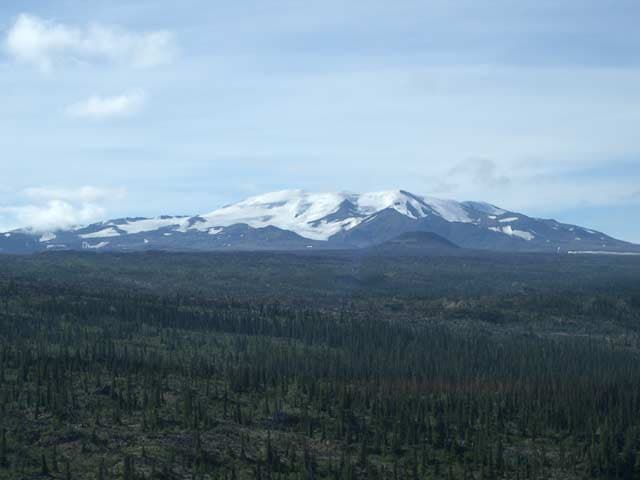
Mount Edziza rises as the centerpiece of a massive Pleistocene-to-Holocene volcanic complex in the Tahltan Highland. Its broad summit plateau, flanked by cinder cones, obsidian flows, and colorful mineral springs, offers visitors an unusually intact record of repeated eruptions set within one of Canada’s largest protected volcanic landscapes.
Getting There
Access begins in the community of Dease Lake or the historic settlement of Telegraph Creek. From either point, travelers arrange floatplane flights or multi-day horseback or hiking approaches across the gently rolling plateau. No maintained roads reach the mountain; every route demands self-sufficient wilderness travel and advance coordination with local Tahltan outfitters.
Best Time to Visit
The short northern summer window from mid-July through early September provides the only reliable snow-free period for extended travel. Daytime temperatures are mild, wildflowers carpet the tundra, and daylight lasts nearly twenty hours, yet sudden storms and cold nights remain common even in August.
What to See and Do
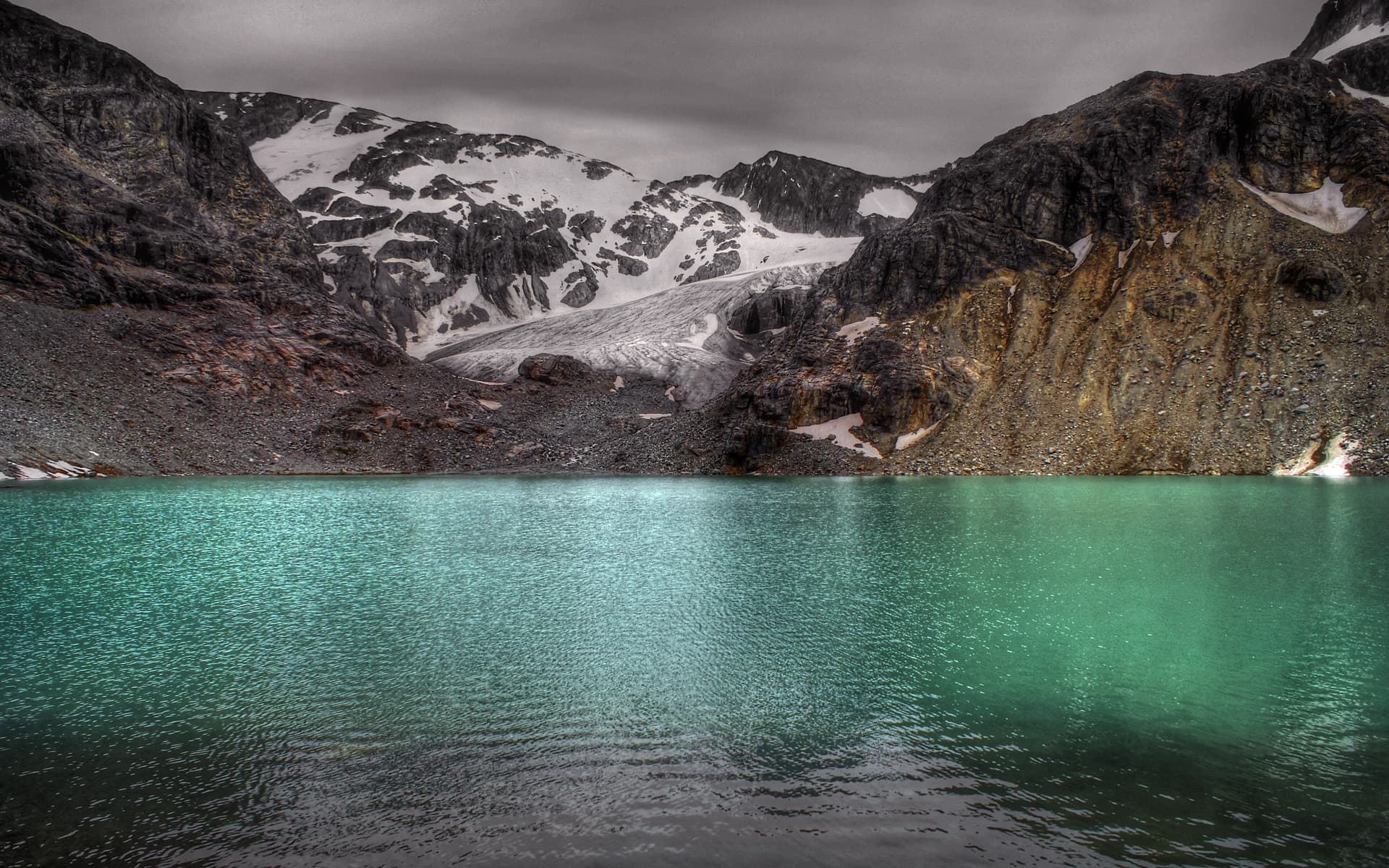
Popular objectives include traversing the Edziza Plateau to examine fresh-looking lava flows and the striking black obsidian outcrops that gave the mountain its Tahltan name. Hikers can circumnavigate the summit crater rim for panoramic views of neighboring volcanic peaks and the deep canyon of the Stikine River. Side trips lead to tiny turquoise tarns and mineral springs whose vivid turquoise and orange hues contrast sharply with surrounding black basalt. Wildlife viewing is excellent: woodland caribou, grizzly bears, and Stone’s sheep frequent the open ridges.
Nearby Attractions
Within the same provincial park lie the striking Hoodoo formations of the Mount Edziza–Spectrum Range complex and the historic obsidian trade routes once used by First Nations. Southward, the Stikine River offers multi-day paddling through basalt canyons, while the community of Telegraph Creek provides a window into early 20th-century gold-rush history and living Tahltan culture.