Keep reading
Nearby & related
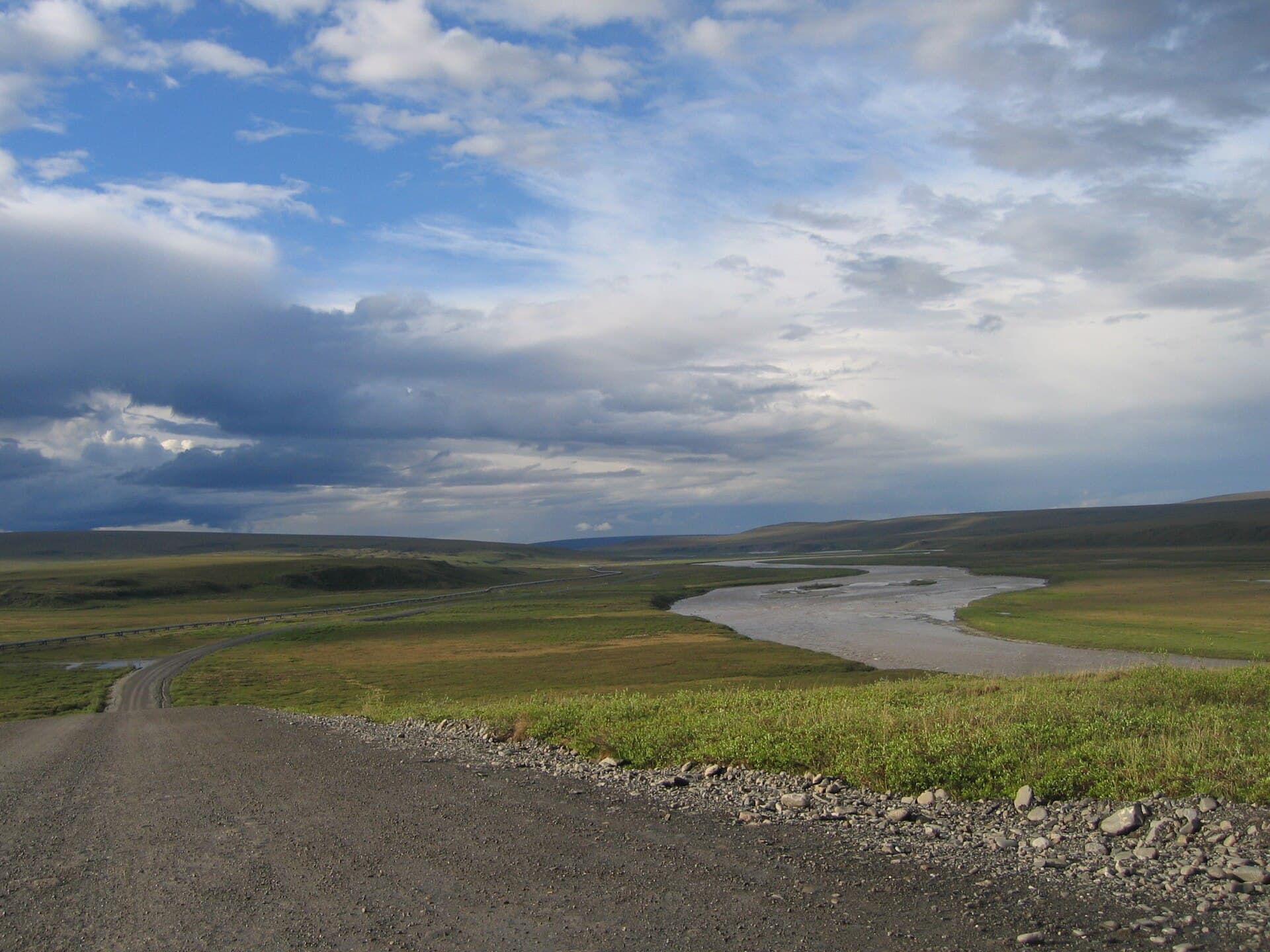
Sagavanirktok River: Rafting Alaska’s Remote Arctic Frontier
Experience the wild, roadless beauty of one of Alaska’s northernmost rivers on the North Slope.
17 August 2026
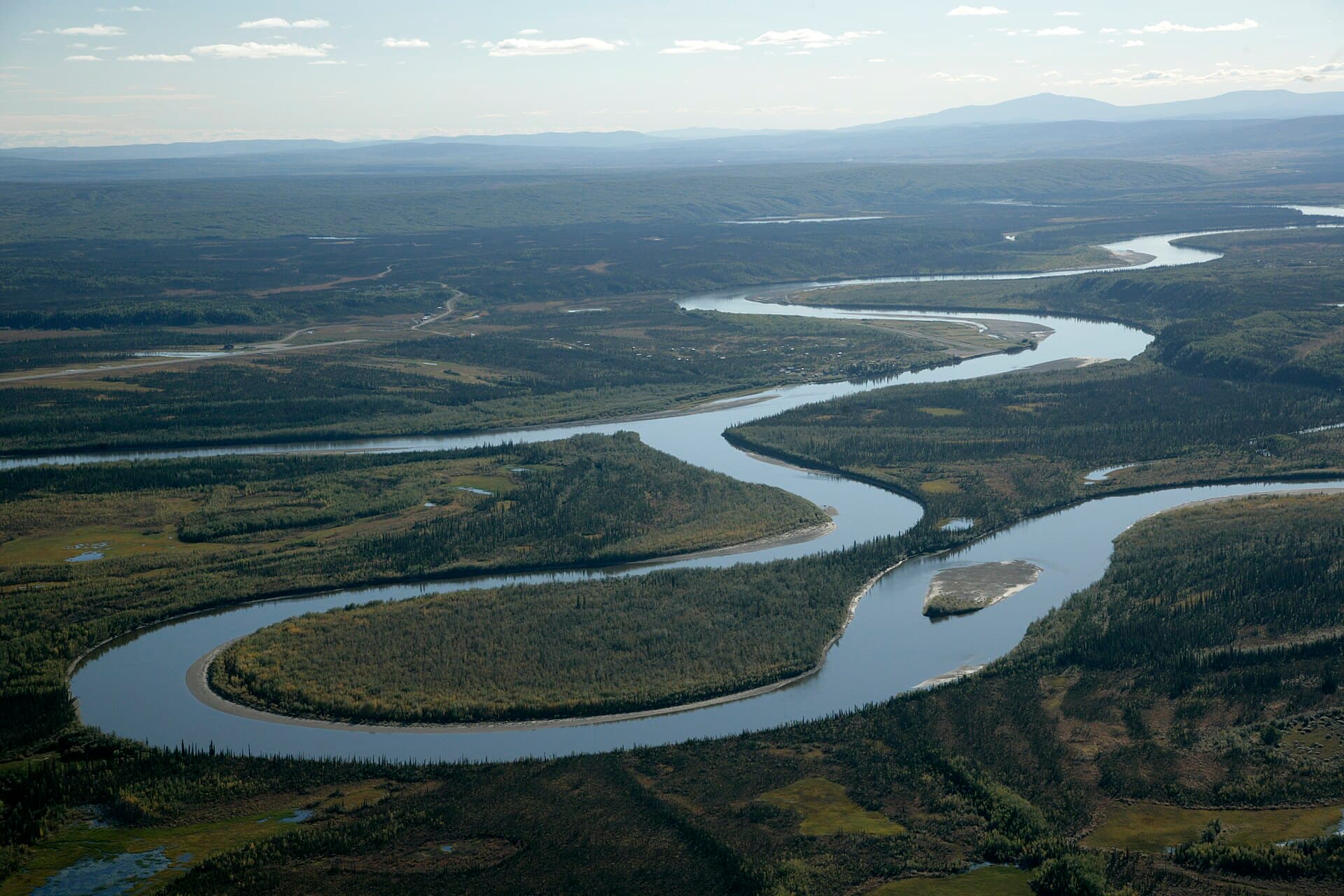
Float the clear waters of the Alatna River through the untouched Brooks Range for an unforgettable Arctic adventure.
The Alatna River carves a 180-mile path through Gates of the Arctic National Park and Preserve, one of the most remote and pristine landscapes in North America. Its clear water, gravel bars, and dramatic views of the central Brooks Range make it a classic wilderness float for experienced paddlers seeking solitude.
Most visitors experience the river by raft or canoe on multi-day trips. The upper section above the confluence with the Kutuk River offers faster water and tighter canyons framed by jagged peaks. Lower sections slow into long, reflective pools ideal for spotting moose, caribou, and grizzly bears along the banks.
The river corridor supports healthy populations of Dall sheep on nearby ridges and arctic grayling in the clear side streams. Hikers often leave boats for day trips into the Arrigetch Peaks or the headwaters of the Alatna, where granite spires rise abruptly from tundra.
Anglers cast for grayling and occasional lake trout near the outlet of Lake Selby. Photographers find endless compositions of braided channels, autumn tundra colors in late August, and the midnight sun during June and July.
Access begins with a flight to Bettles or Anaktuvuk Pass, followed by a bush-plane shuttle to a gravel bar put-in near the river’s headwaters. Most trips end with a take-out at the village of Allakaket on the Koyukuk River, where scheduled flights return travelers to Fairbanks.
Prime season runs from mid-June through early September. Early summer brings higher water for faster travel; late August offers fewer insects and brilliant fall colors. Winter travel is possible by snowmachine but requires extreme cold-weather experience.
Keep reading
Experience the wild, roadless beauty of one of Alaska’s northernmost rivers on the North Slope.
No permit is required for private river travel, but all visitors must follow Leave No Trace principles and park regulations for camping and waste.
Most paddlers spend 7 to 12 days floating from headwaters to Allakaket, depending on water levels and side hikes.
Bears and rapidly changing water levels are primary concerns; travelers should carry bear spray and know how to read river conditions.
The river is best suited for intermediate paddlers with prior wilderness experience; beginners should join a guided trip.
There are no developed facilities; visitors must be fully self-sufficient for the entire length of their trip.
Paddle, fish, and explore the untouched Buckland River deep in northwest Alaska’s Arctic landscape.
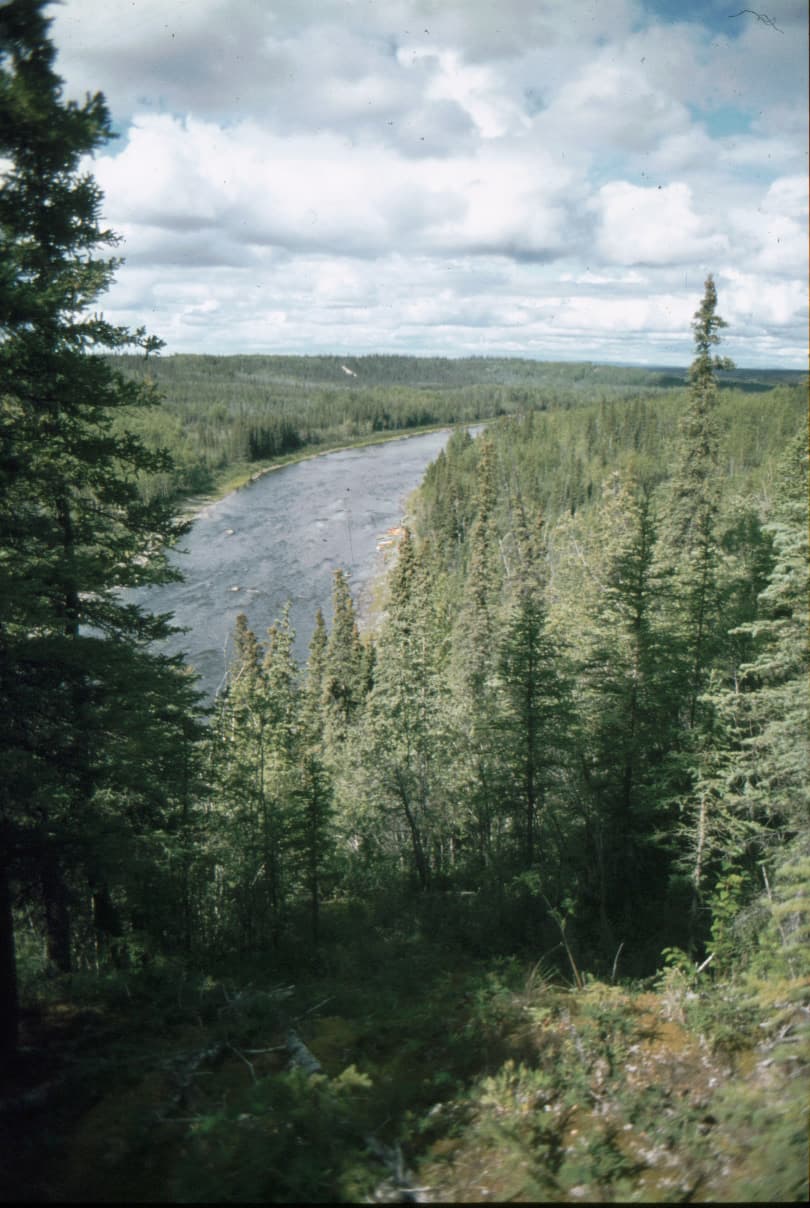
The Gulkana River delivers remote Alaska wilderness, world-class salmon runs, and scenic multi-day floats in the Copper…