Skip to content
Plan & Tour
DestinationsItinerariesTravel BlogAboutContact
0Sign inPlan a trip
Plan & TourPlan & Tour

Travel guides, destination inspiration and curated itineraries for Canada, the USA and beyond, plus a free tool to plan your own day-by-day trip.

Get travel inspiration

Explore

  • All Destinations
  • Curated Itineraries
  • Travel Blog
  • Plan a Trip

Topics

  • Hiking & Nature
  • Food & Drink
  • City Breaks
  • Budget Travel

Company

  • About Us
  • Contact
  • Privacy Policy
  • Terms of Service

© 2026 Plan & Tour. Built for travellers.

Discover the world, one trip at a time.

Y
  1. Home
  2. Destinations
  3. British Columbia
  4. Yeda Peak: Climbing British Columbia’s Remote Northern Wilderness
Mountain

Yeda Peak: Climbing British Columbia’s Remote Northern Wilderness

A guide to reaching, climbing, and experiencing the solitude of this little-visited peak in northern British Columbia.

British ColumbiaUpdated 31 July 2026

Why Yeda Peak Is Worth Visiting

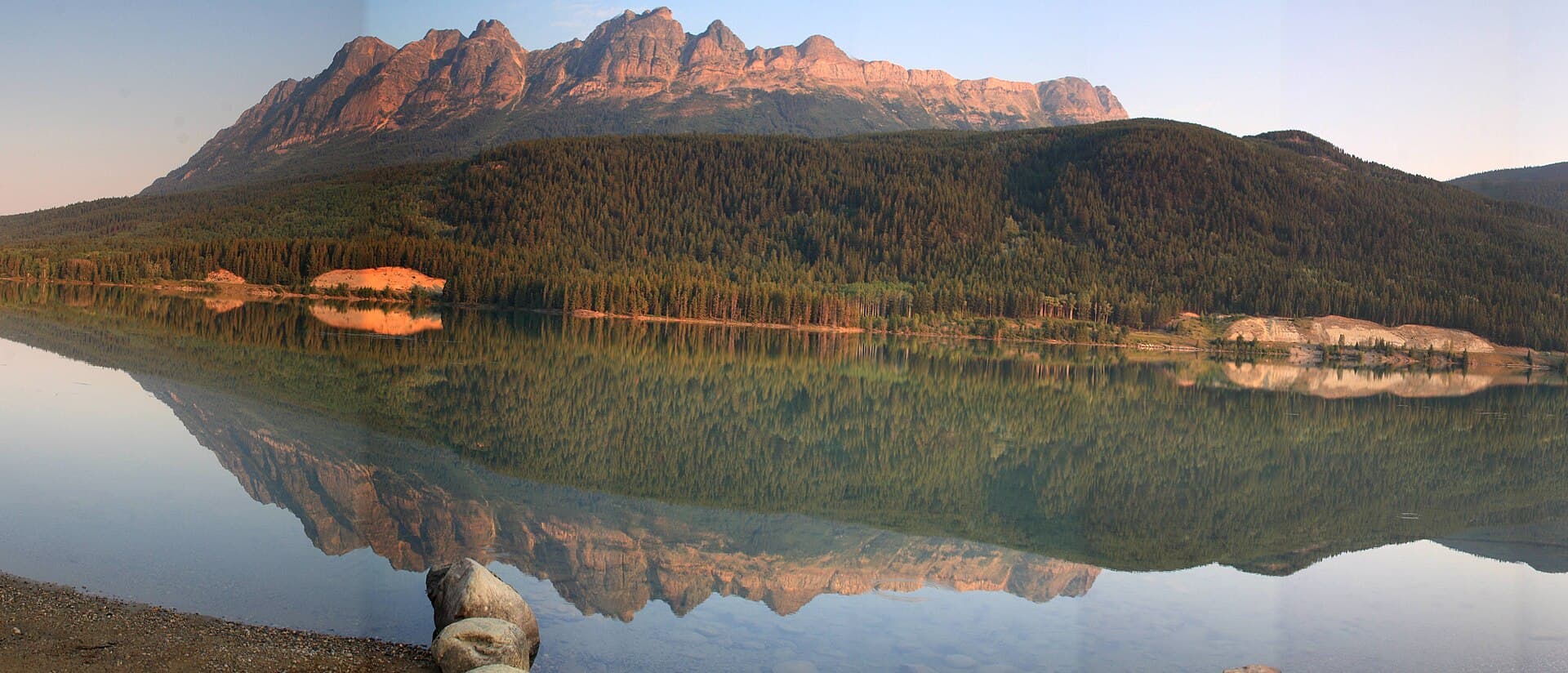
Yeda Peak rises in the rugged terrain of northern British Columbia, offering climbers and hikers a true wilderness experience far from roads and crowds. Its isolation provides sweeping views across volcanic plateaus, glacial valleys, and distant ranges that few travelers ever see. The mountain rewards those who make the journey with pristine alpine meadows, dramatic rock formations, and the chance to observe wildlife such as mountain goats and grizzly bears in their natural habitat.

Getting There

Access begins with a flight to Dease Lake or Telegraph Creek. From these small communities, travelers arrange helicopter or float-plane charters for the final leg to trailheads or high camps near the peak. No maintained roads reach the mountain, so self-sufficient backcountry navigation and satellite communication are essential. Most visitors combine the trip with a multi-day expedition that includes a drop-off, several days of travel on foot, and a scheduled pickup.

Climbing and Hiking Yeda Peak

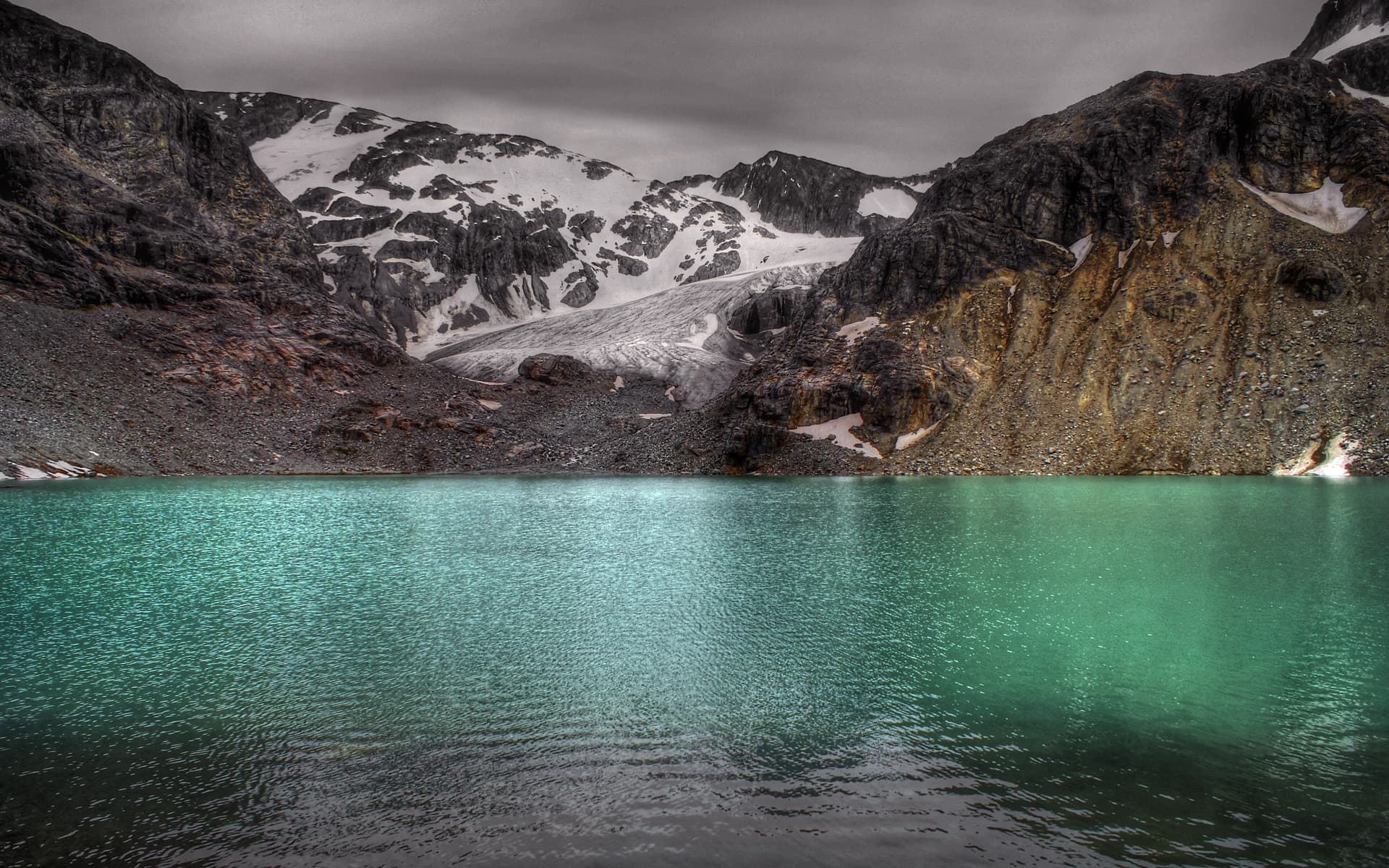
Routes to the summit involve steep snow slopes in early season and loose scree later in summer. Experienced parties typically ascend via the southeast ridge, which offers the most straightforward line but still demands route-finding skills and glacier travel knowledge. Lower elevations feature tundra hiking and opportunities to explore nearby cirques and small tarns. Because the area sees minimal traffic, every ascent feels like a first ascent.

Best Time to Visit

July and August provide the longest daylight and the best chance of stable weather. Snow lingers into late June on north-facing slopes, while September brings shorter days and the first autumn storms. Winter visits are possible only for highly skilled ski mountaineers equipped for extreme cold and avalanche terrain.

Nearby Attractions

The surrounding landscape includes the volcanic features of the Mount Edziza region and the wild Stikine River corridor. Travelers often extend their trip to paddle sections of the river or visit the hot springs near Iskut. The entire area lies within traditional Tahltan territory, and visitors are encouraged to learn about the region’s cultural history before traveling.

Visitor tips

  • Carry bear spray, a satellite communicator, and enough food for at least two extra days in case weather prevents pickup.
  • File a detailed trip plan with a reliable contact and check in with local outfitters in Dease Lake for current snow and river conditions.
  • Practice Leave No Trace principles rigorously; the fragile alpine environment shows impacts for decades.

Frequently asked questions

How difficult is climbing Yeda Peak?+

The mountain requires intermediate to advanced mountaineering skills, including glacier travel, route-finding on loose rock, and multi-day backpacking experience.

Do I need a guide to visit Yeda Peak?+

A guide is not legally required, but most visitors hire a helicopter-supported guide service because of the extreme remoteness and lack of rescue infrastructure.

Are there any facilities or campsites near the peak?+

There are no developed facilities. Campers must choose durable surfaces and follow strict Leave No Trace practices.

What wildlife might I encounter?+

Grizzly bears, black bears, mountain goats, and wolves inhabit the area; proper food storage and bear-aware travel are mandatory.

Is cell service available?+

No cellular coverage exists. Satellite messengers or radios are the only reliable communication tools.

Share
Google Maps Apple Maps Directions

Keep reading

Nearby & related

All stories
Vedder River: Salmon Fishing, Paddling and Riverside Trails in British Columbia
British Columbia

Vedder River: Salmon Fishing, Paddling and Riverside Trails in British Columbia

A clear, productive river in the Fraser Valley offering consistent chinook and coho runs, easy paddling and quiet hiking…

1 August 2026
E
British Columbia

Englishman River: Waterfalls, Forests and Salmon Runs on Vancouver Island

Hike to dramatic waterfalls, swim in clear pools, and watch salmon spawn along this Vancouver Island river.

1 August 2026
B
British Columbia

Bella Coola River: Wilderness Fishing and Grizzly Viewing in British Columbia’s Great Bear Rainforest

This remote river in the Bella Coola Valley offers world-class steelhead and salmon fishing, abundant wildlife, and…

1 August 2026