Keep reading
Nearby & related
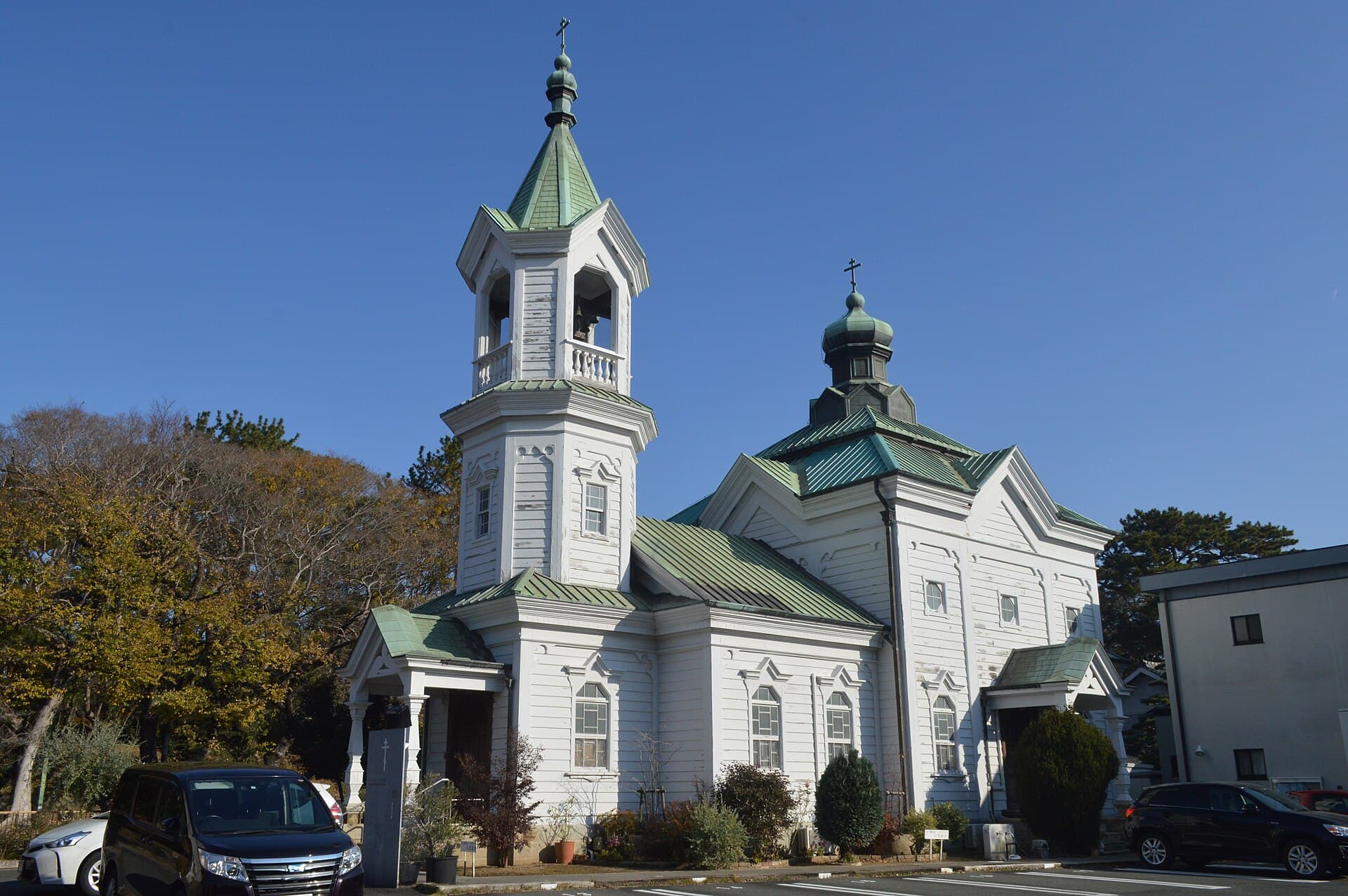
Toyohashi Orthodox Church: Russian Heritage in Aichi
A quiet 20th-century Russian Orthodox church offering distinctive architecture and calm reflection amid central Japan.
18 August 2026
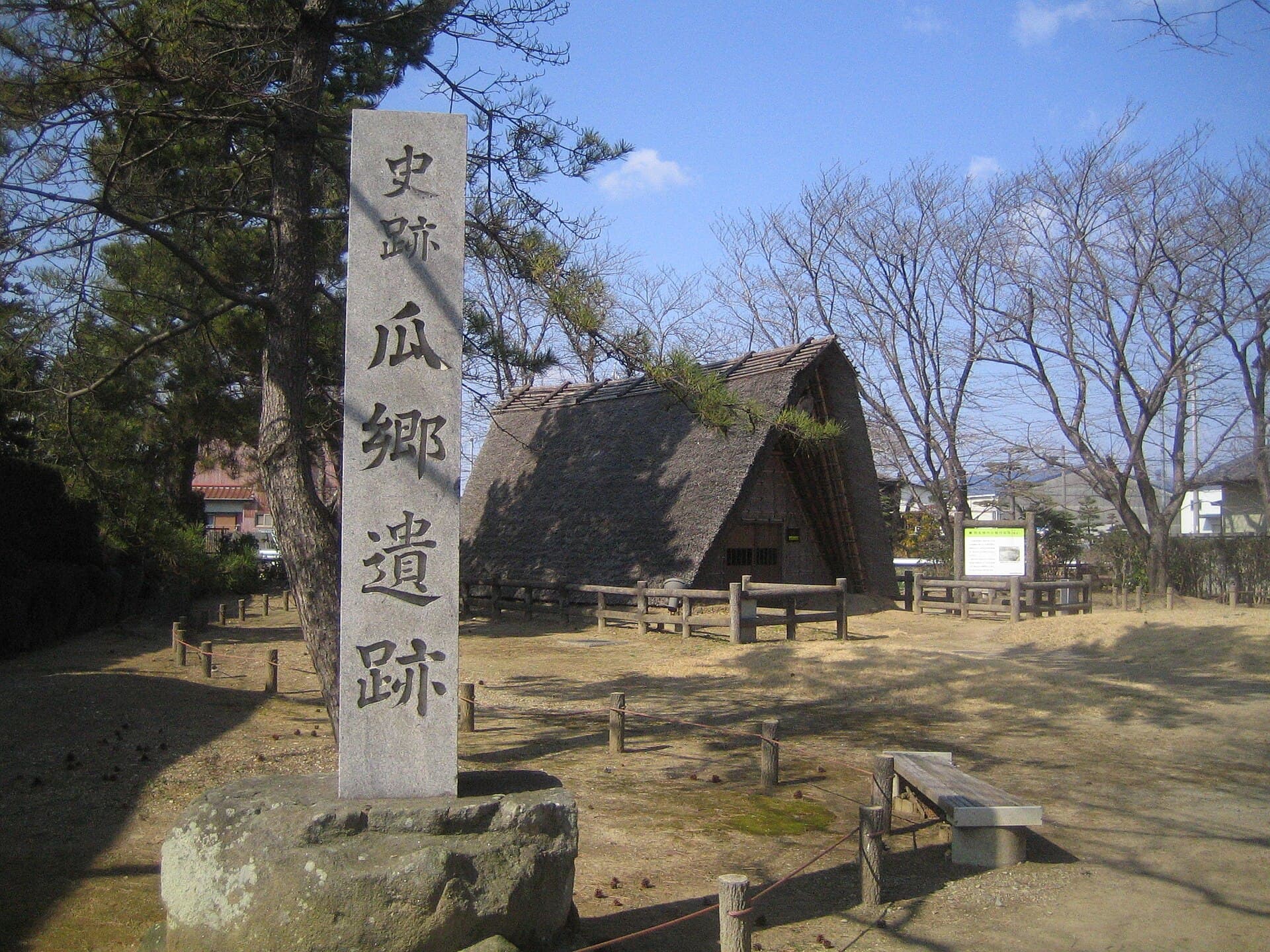
Explore the layered history of the Urigō Ruins, an important archaeological site revealing ancient settlements in Aichi Prefecture.
The Urigō Ruins preserve evidence of human activity spanning thousands of years, with artifacts from the Jōmon and Yayoi periods that illuminate early rice cultivation, pottery techniques, and community life in central Japan. Located on a gentle rise overlooking the surrounding plains, the site offers visitors a tangible connection to the region’s deep past amid quiet green space.
Marked excavation areas and interpretive panels guide walkers through the layout of former pit dwellings and storage pits. Reconstructed features and scattered finds displayed in on-site shelters illustrate daily tools, ceramics, and stone implements. The gentle terrain invites unhurried exploration; shaded paths and occasional benches encourage lingering to absorb the scale of the settlement.
Reach the ruins easily from Toyohashi Station by local bus heading toward the eastern suburbs; alight at the stop serving the archaeological park. The final approach is a short, flat walk along residential streets that transition into the site’s tree-lined entrance. Those preferring to drive will find modest parking areas nearby, with clear signage directing visitors to the main gate.
Early spring and late autumn deliver comfortable temperatures and softer light for photography. Summer visits are possible but require sun protection and water, while winter offers clearer views of the surrounding countryside with fewer insects. The site’s open setting makes it pleasant year-round, though mornings tend to be quieter regardless of season.
After exploring the ruins, continue to the Toyohashi Museum of Natural History for deeper context on regional geology and fauna, or head to the city’s historic downtown for traditional architecture and local cuisine. The nearby Irago Peninsula provides coastal scenery and ferry connections if an extended day trip is planned.
Keep reading
A quiet 20th-century Russian Orthodox church offering distinctive architecture and calm reflection amid central Japan.
The site contains layers from the Ju014dmon through Yayoi periods, with the most visible remains linked to early agricultural communities.
Yes, the flat terrain and open layout make it accessible for families, though younger visitors may enjoy it most when combined with a stop at the on-site exhibits.
Occasional volunteer-led walks are offered through the local education board; check seasonal schedules upon arrival for current offerings.
Photography is permitted throughout the outdoor areas for personal use; flash is discouraged near any displayed artifacts.
Visitors will find restrooms, a small information building with maps, and shaded benches, but no food vendors inside the grounds.
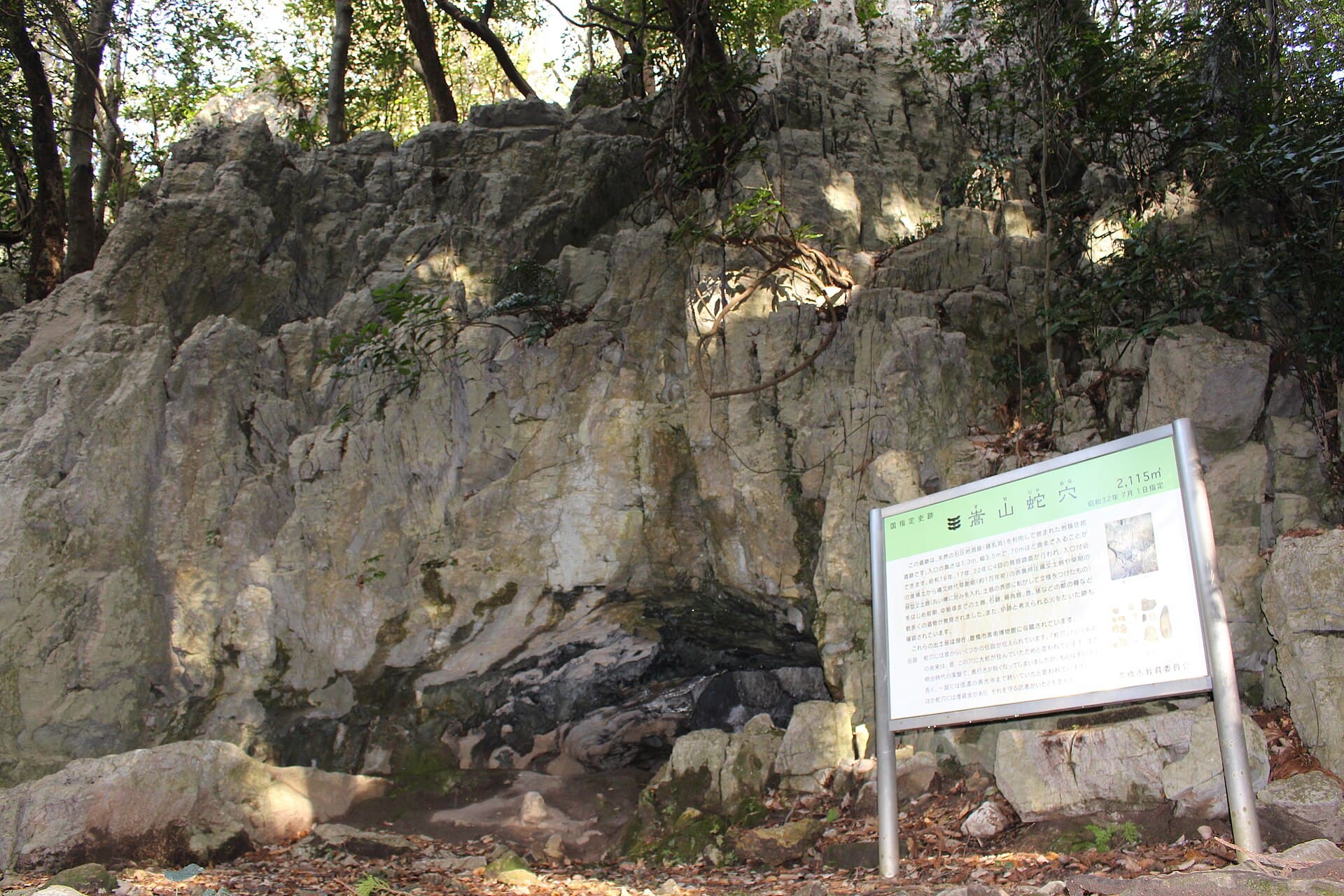
Venture into the cool, dimly lit chambers of Susenoja Cave, a striking natural limestone formation just outside central…
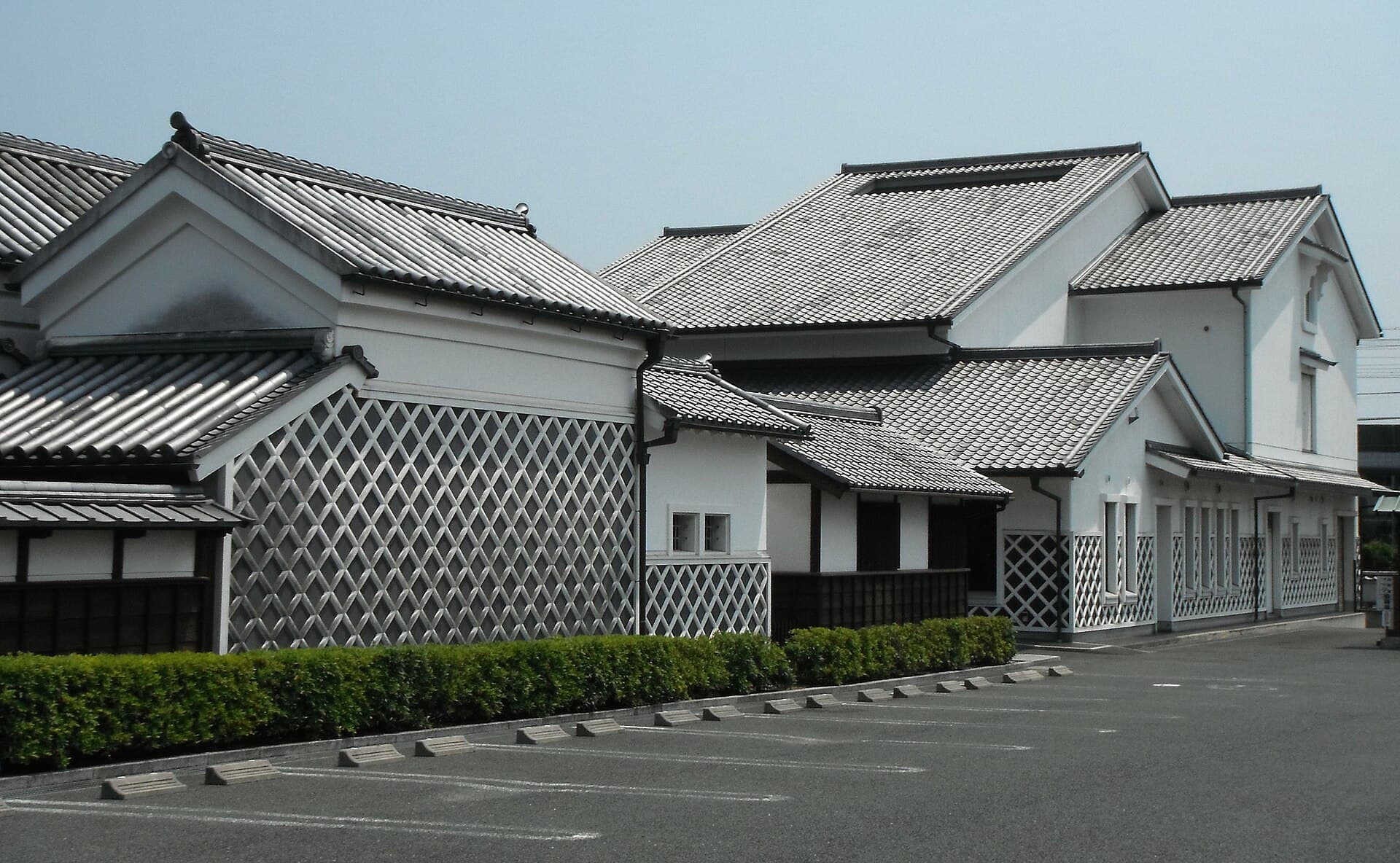
Explore the only surviving honjin in Aichi Prefecture, a preserved lodging that once hosted daimyo traveling the Tokaido…