Keep reading
Nearby & related
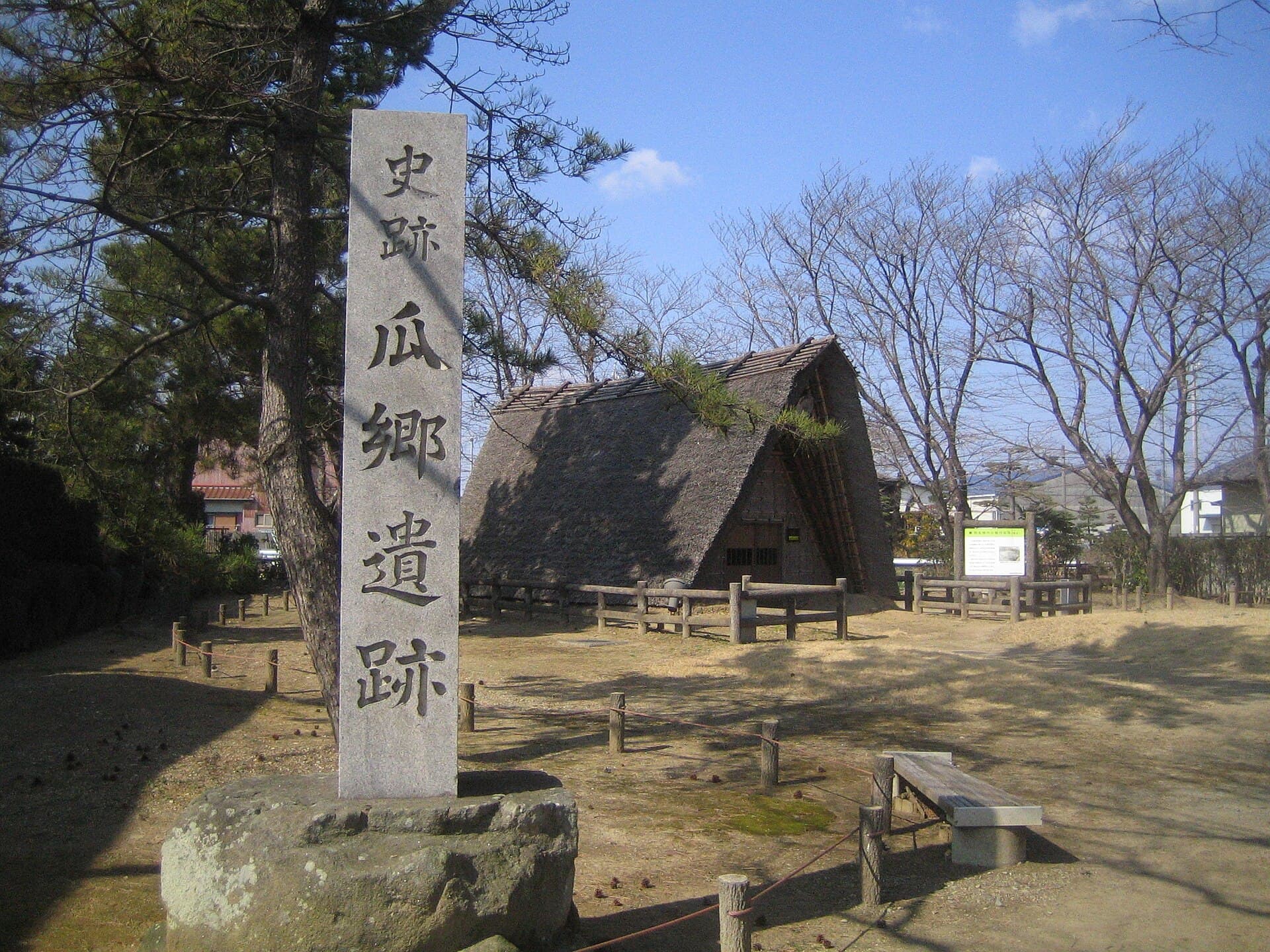
Urigō Ruins: Tracing Prehistoric Life in Toyohashi
Explore the layered history of the Urigō Ruins, an important archaeological site revealing ancient settlements in Aichi…
18 August 2026
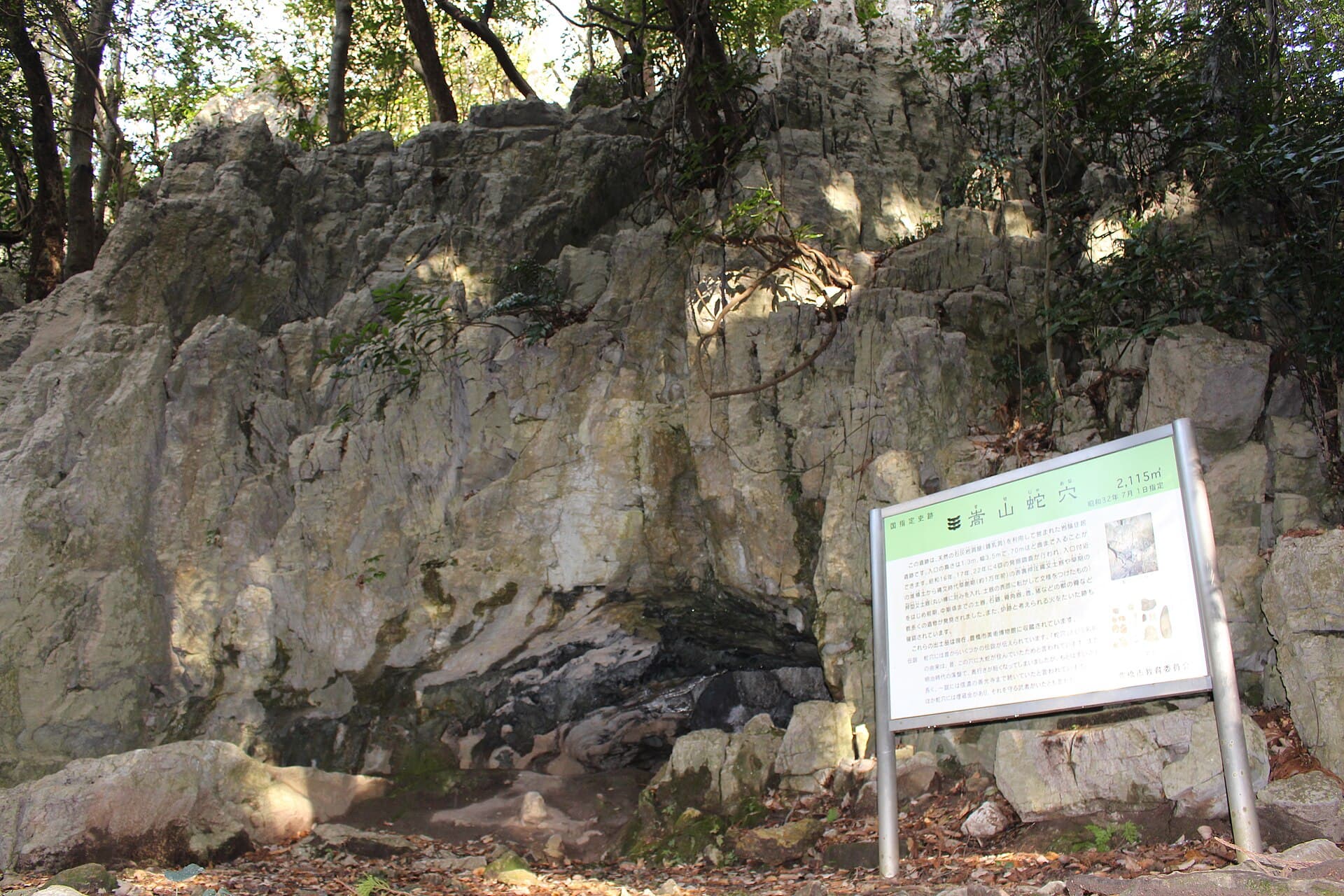
Venture into the cool, dimly lit chambers of Susenoja Cave, a striking natural limestone formation just outside central Toyohashi in Aichi Prefecture.
Susenoja Cave offers visitors a rare glimpse into the geological history of Aichi Prefecture. Formed over millennia through the slow dissolution of limestone by underground water, the cave features narrow passages that open into larger chambers adorned with stalactites, stalagmites, and delicate flowstone formations. Its relatively compact size makes it ideal for a half-day exploration without requiring technical caving skills.
Inside, soft lighting highlights the textured walls and occasional pools of clear water. Walk along the maintained paths to observe how water has sculpted intricate shapes over time. Photographers appreciate the contrast between the dark rock and subtle mineral colors. The steady underground temperature provides a refreshing escape during summer months.
From Toyohashi Station, local buses or a short taxi ride reach the trailhead leading to the cave entrance. Drivers can use the provided parking area near the site. The approach involves a gentle uphill walk through forested surroundings that adds to the sense of leaving the city behind.
Early spring and late autumn deliver comfortable temperatures and fewer crowds. Summer visits are possible but expect higher humidity inside. Winter can bring crisp air outside, though the cave itself remains consistently cool year-round. Avoid periods of heavy rain when paths may become slippery.
Combine a cave visit with time at nearby coastal areas along the Enshu-nada Sea or the historic sites around Toyohashi Park. The region also offers traditional Japanese gardens and local seafood restaurants that provide a pleasant contrast to the underground experience.
Keep reading
Explore the layered history of the Urigō Ruins, an important archaeological site revealing ancient settlements in Aichi…
Most visitors spend 45 to 90 minutes inside, depending on pace and interest in the formations.
The main path is accessible for older children accompanied by adults, but younger kids may find the low ceilings and dim lighting challenging.
The passages vary; some sections require ducking, but no crawling is necessary on the standard route.
Comfortable walking shoes, a light jacket for the cool interior, and water are recommended.
Self-guided visits are possible along the maintained paths; guided tours are occasionally available for groups.
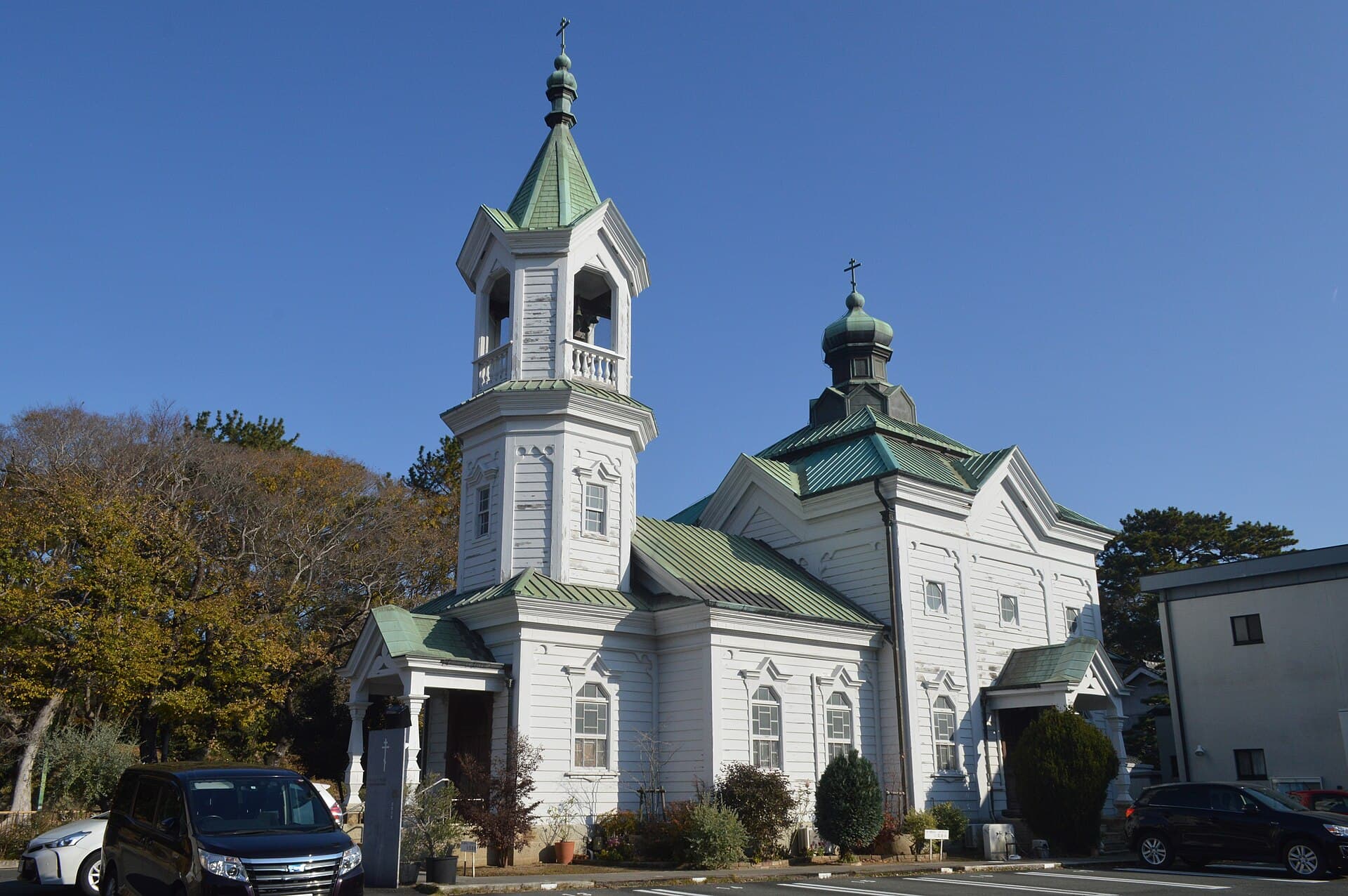
A quiet 20th-century Russian Orthodox church offering distinctive architecture and calm reflection amid central Japan.
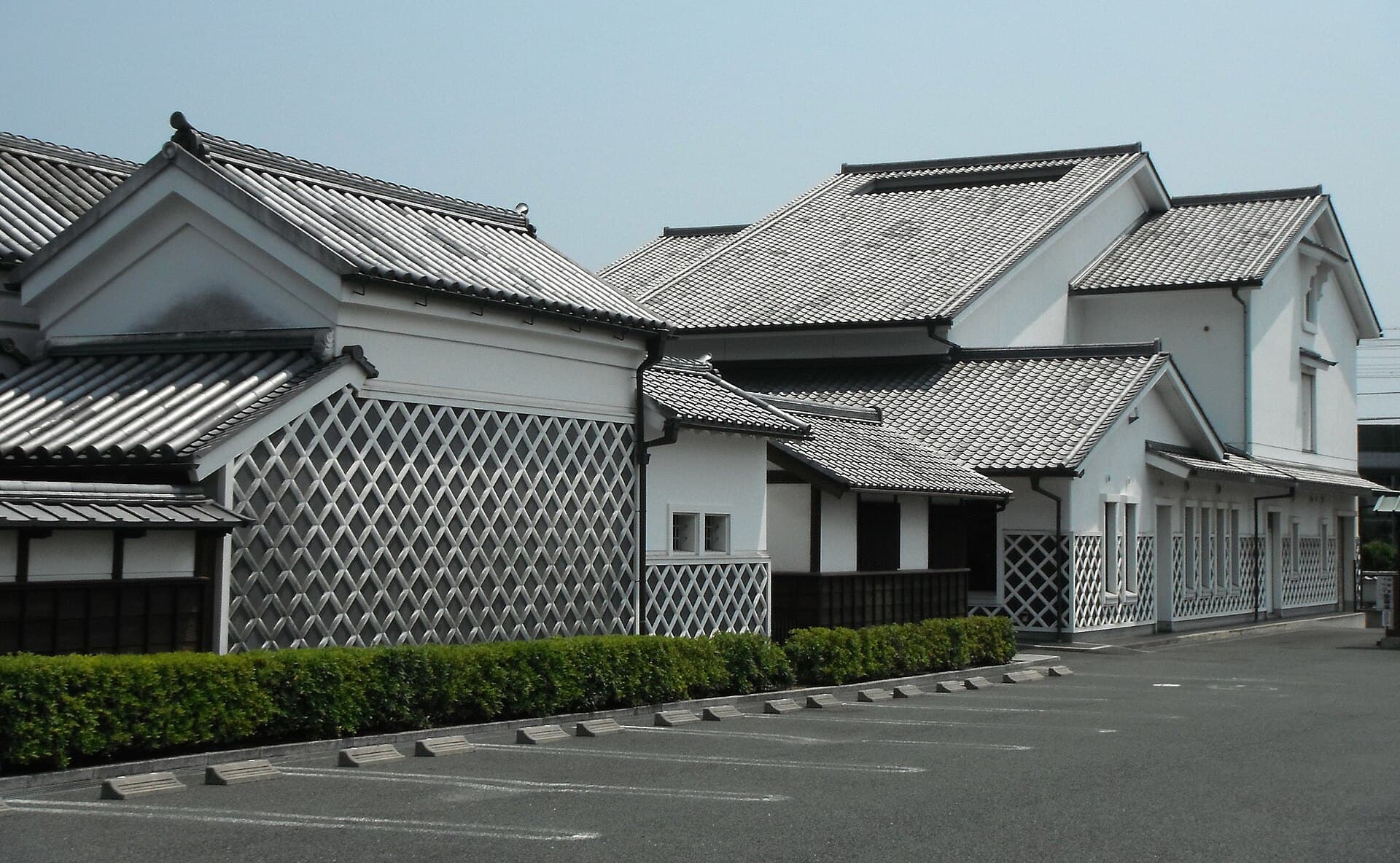
Explore the only surviving honjin in Aichi Prefecture, a preserved lodging that once hosted daimyo traveling the Tokaido…