Keep reading
Nearby & related
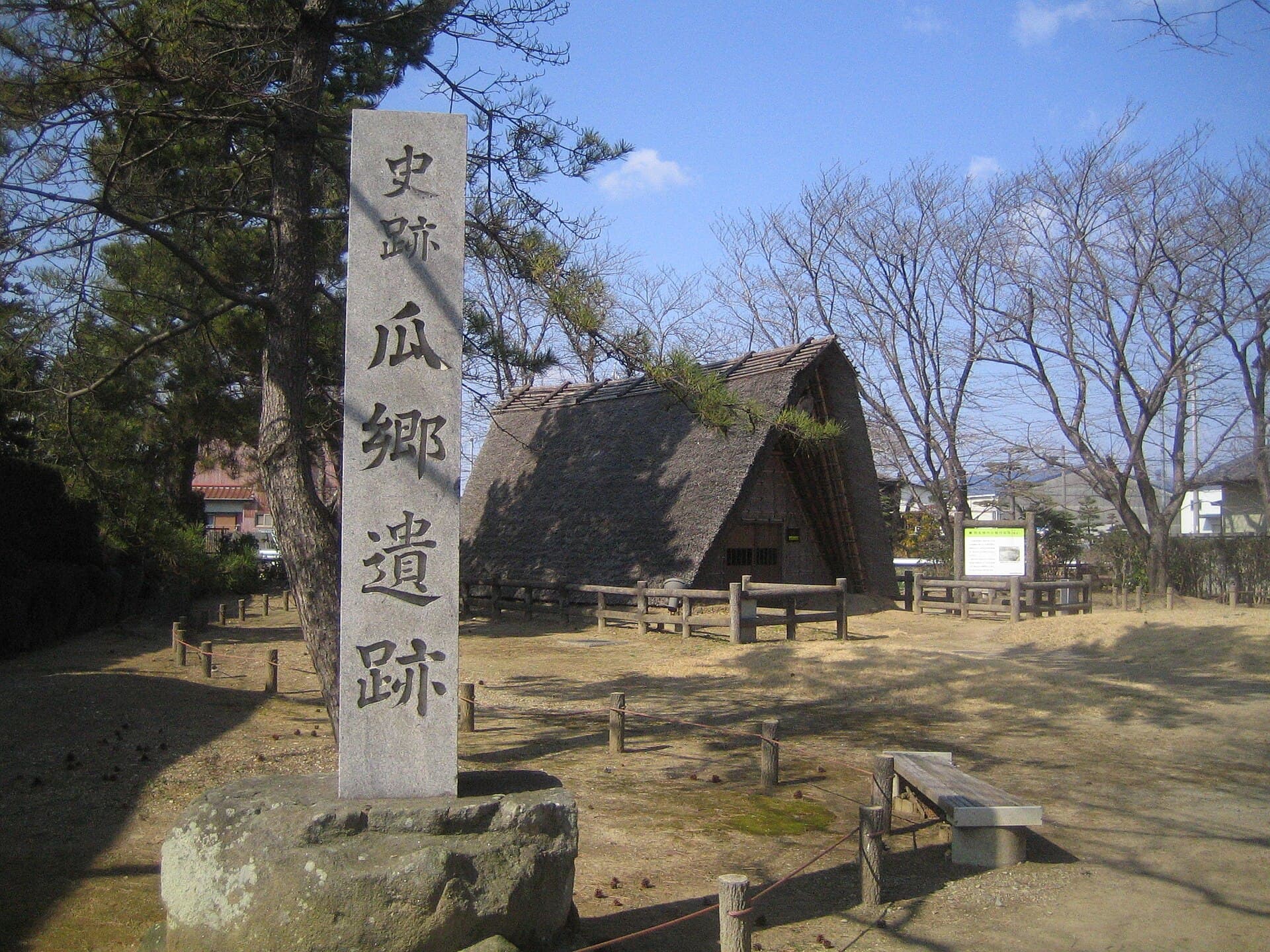
Urigō Ruins: Tracing Prehistoric Life in Toyohashi
Explore the layered history of the Urigō Ruins, an important archaeological site revealing ancient settlements in Aichi…
18 August 2026
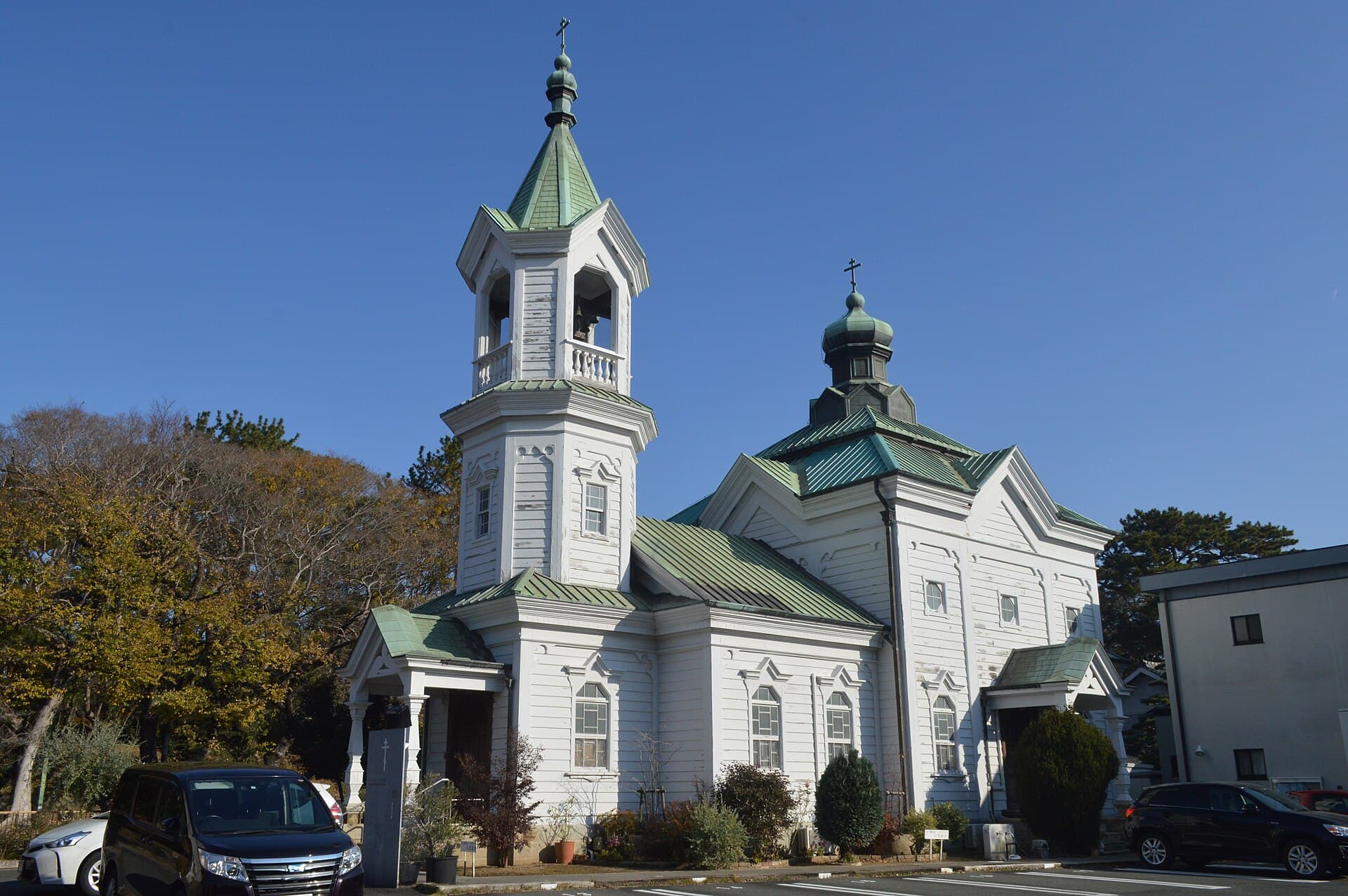
A quiet 20th-century Russian Orthodox church offering distinctive architecture and calm reflection amid central Japan.
Toyohashi Orthodox Church stands as one of the few surviving Russian Orthodox houses of worship in Japan, built in the early twentieth century when Russian influence reached parts of Aichi through trade and missionary work. Its onion domes and white walls create a striking contrast with surrounding Japanese urban scenery, drawing visitors interested in architectural fusion and lesser-known religious history.
The exterior features classic Russian elements including gilded crosses and curved domes that catch the light differently throughout the day. Inside, the nave retains original iconography and wooden iconostases that separate the sanctuary, allowing visitors to appreciate the layout typical of Eastern Orthodox tradition without needing extensive prior knowledge.
The church lies within easy reach of Toyohashi Station via local bus or a short taxi ride. Travelers arriving by Shinkansen from Nagoya or Tokyo can connect quickly; those driving will find street parking limited, so public transport is preferable. The site occupies a compact plot, making it suitable for a focused half-hour stop rather than a full-day destination.
Spring brings nearby cherry blossoms that frame the church grounds softly, while autumn offers cooler temperatures and fewer crowds. Summer visits require attention to humidity and occasional typhoon risks, and winter provides clear views of the domes against crisp skies. The surrounding residential neighborhood remains quiet year-round, supporting a reflective atmosphere.
Combine the visit with Toyohashi Park, home to historic castle ruins and seasonal flower displays, or explore the port area for fresh seafood. The church also serves as a waypoint for travelers heading toward the Mikawa coast or onward to Nagoya’s larger cultural sites. Local trains link these points efficiently without backtracking.
Keep reading
Explore the layered history of the Urigō Ruins, an important archaeological site revealing ancient settlements in Aichi…
The church welcomes respectful visitors outside of active services; simply observe posted guidelines and maintain quiet inside.
Most visitors spend 20 to 40 minutes viewing the exterior and interior, making it an ideal short stop between larger Aichi sights.
Printed materials are primarily in Japanese; the visual architecture and icons convey the main story without needing translation.
Attendance is possible during major feasts if you dress modestly and follow the congregationu2019s lead; confirm dates locally in advance.
Its Russian Orthodox design with prominent domes and iconostases distinguishes it from the more common Protestant or Catholic buildings found elsewhere in Japan.
Venture into the cool, dimly lit chambers of Susenoja Cave, a striking natural limestone formation just outside central…
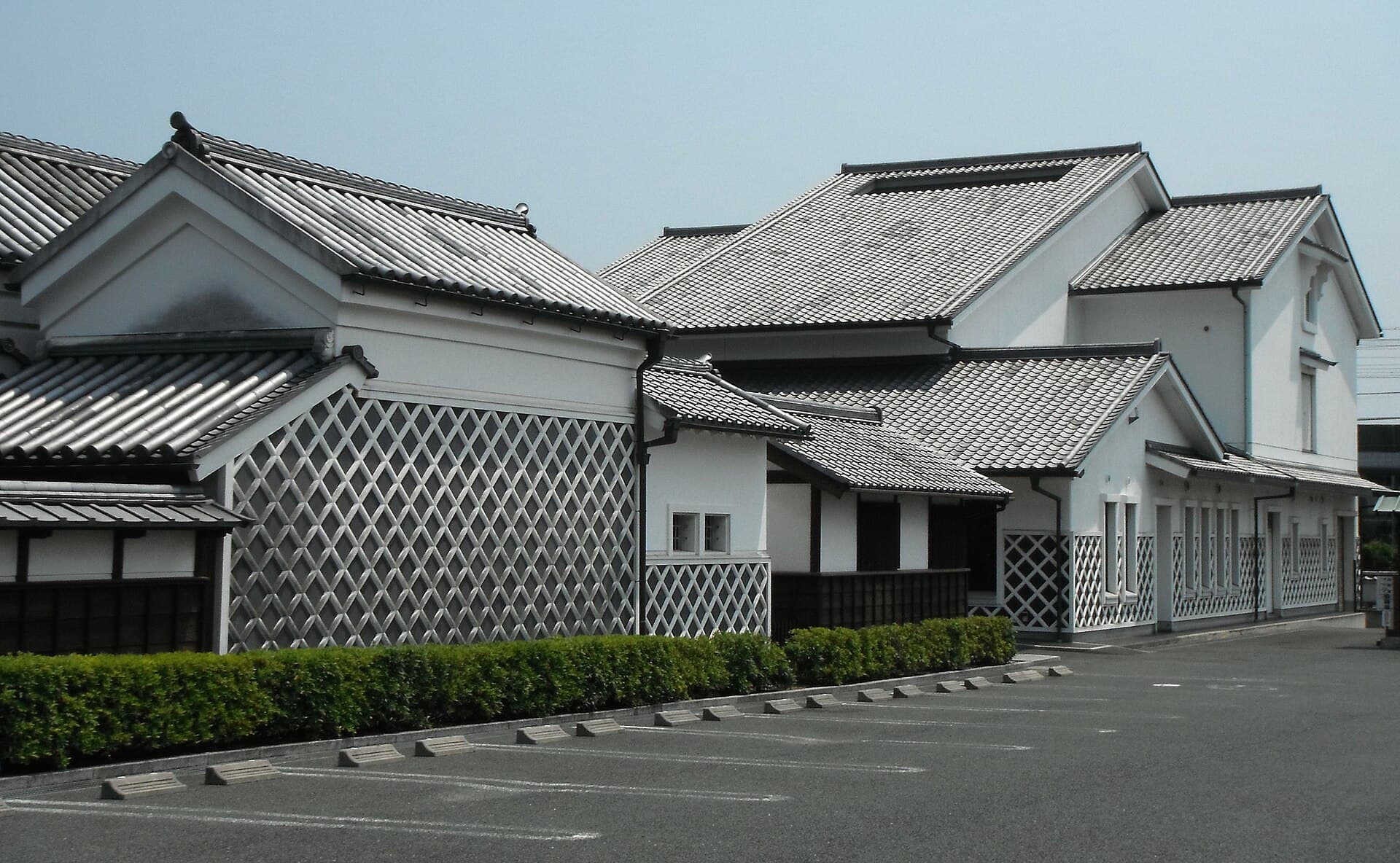
Explore the only surviving honjin in Aichi Prefecture, a preserved lodging that once hosted daimyo traveling the Tokaido…