Historical Significance of Futagawa-shuku
Futagawa-shuku served as the thirty-third post station on the Tokaido, the vital highway linking Edo with Kyoto during the Edo period. The honjin functioned as the official lodging for high-ranking travelers, including daimyo on sankin-kotai processions to the shogun’s court. Today the Futagawa-shuku Honjin Museum occupies the carefully restored complex, offering visitors an authentic window into the logistics, etiquette, and daily rhythms of feudal travel.
What to See and Do
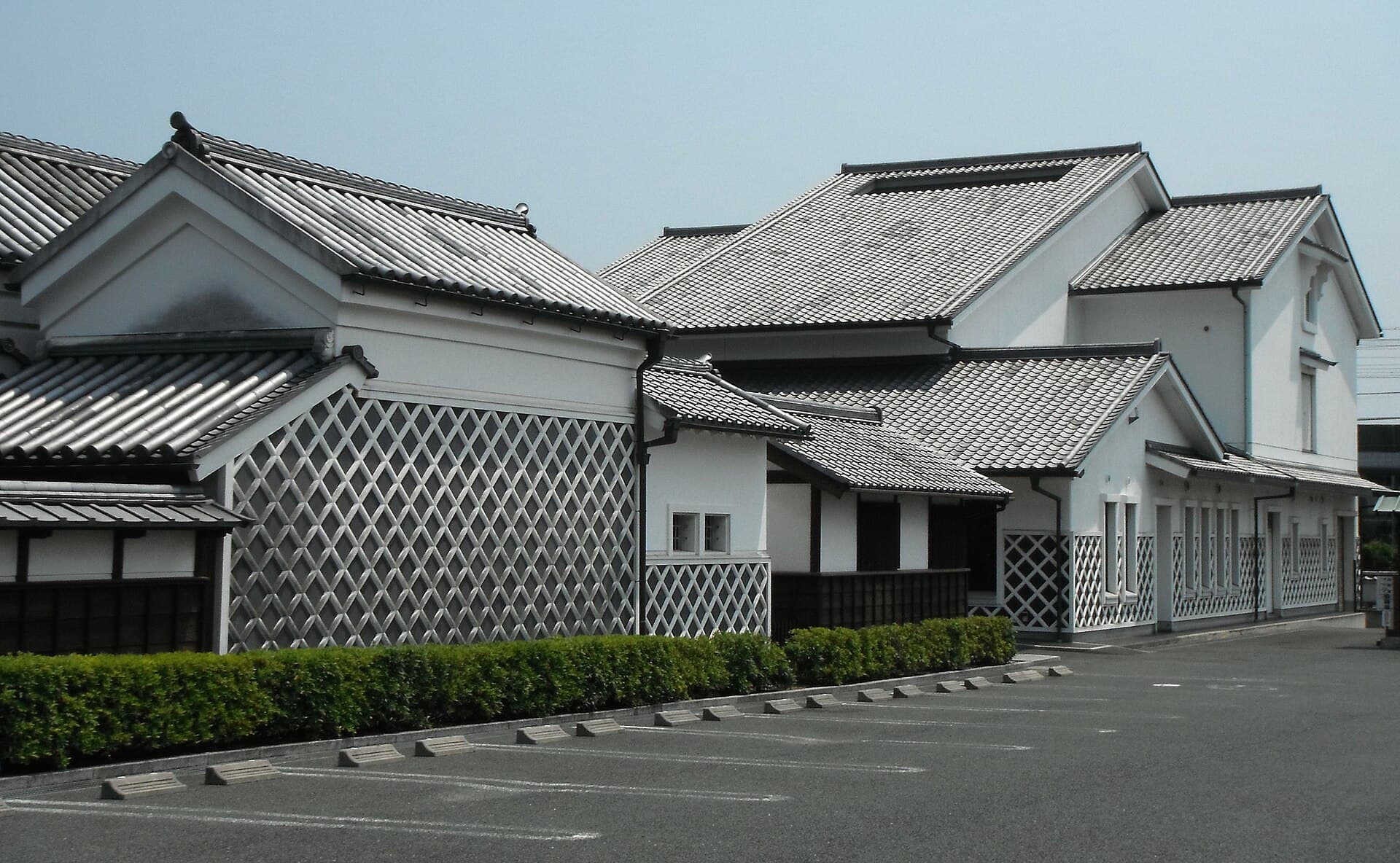
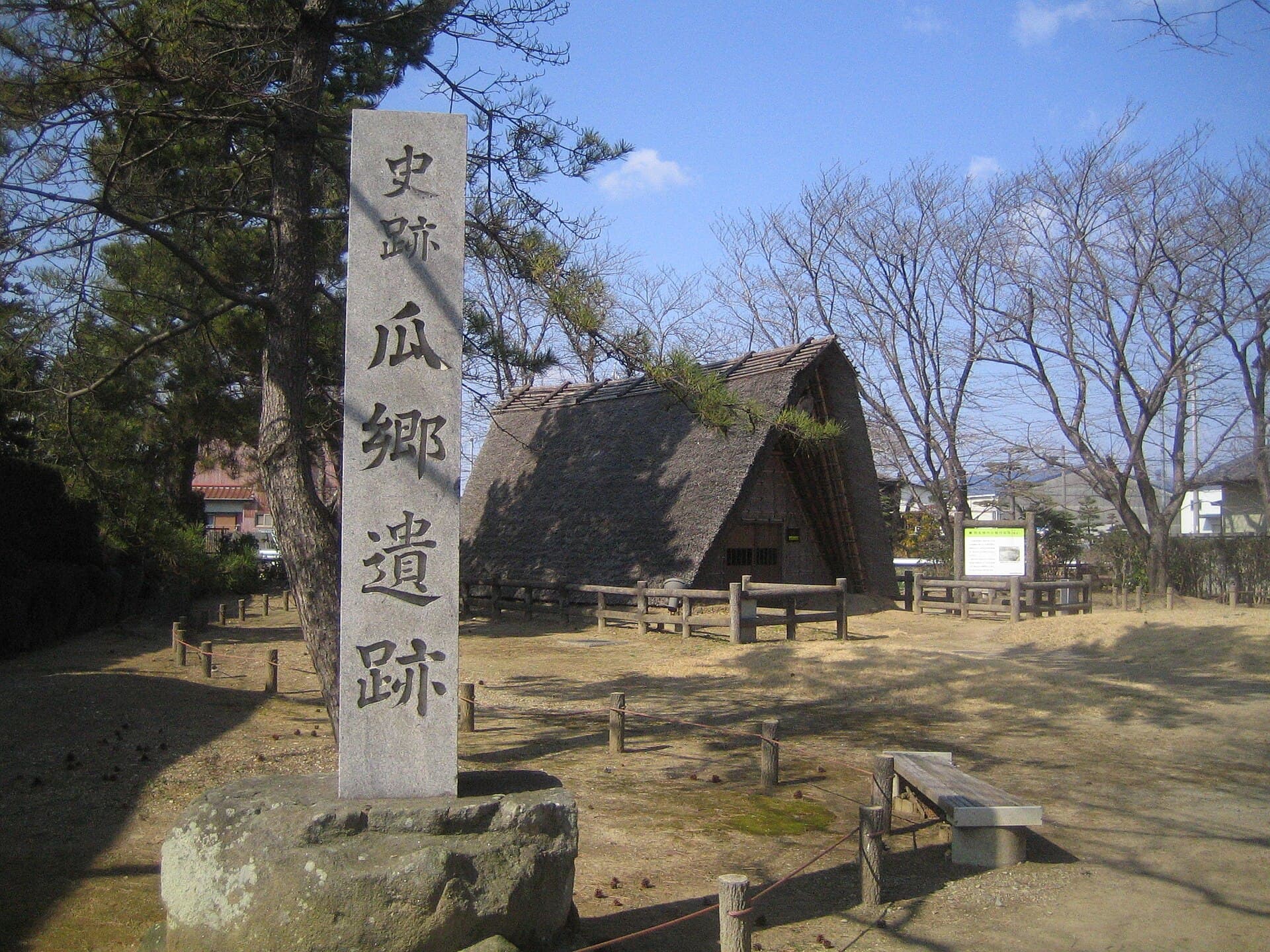
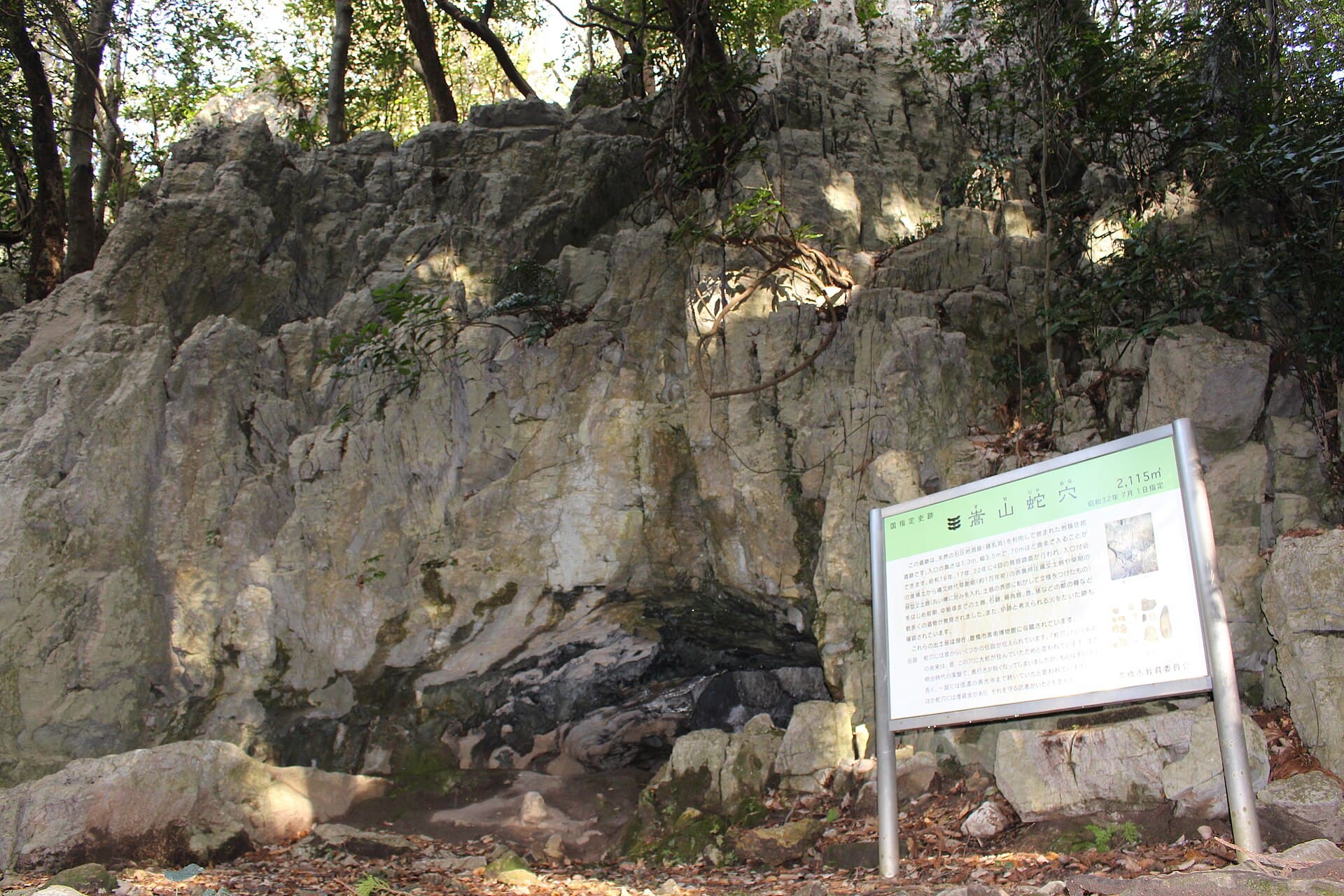
The main honjin building retains its original wooden framework, tatami rooms, and garden layout. Inside, exhibits display period furnishings, travel documents, and woodblock prints that illustrate how officials moved between castles. A separate exhibition hall houses artifacts recovered from the site, including lacquerware, clothing, and maps showing the full fifty-three stations. Visitors can walk the adjacent section of the old highway, now a quiet lane lined with traditional merchant houses that once supplied the post station.
Architecture and Gardens
The nagaya gate and earthen walls demonstrate defensive features required of official lodgings. Seasonal plantings in the inner garden—plum in winter, azaleas in spring—echo the original design meant to soothe weary travelers. Informative panels in English and Japanese explain construction techniques without modern intrusion.
Getting There
The museum lies a short walk from Futagawa Station on the JR Tokaido Main Line, roughly twenty minutes south of Toyohashi. From central Toyohashi, local buses stop nearby, or cyclists can follow the riverside paths that parallel the historic route. Those arriving by car will find modest parking along the old highway.
Best Time to Visit
Spring and autumn offer the most comfortable temperatures for walking the preserved streetscape. Early November brings foliage around nearby temples, while late March aligns with cherry blossoms along the nearby river. Summer visits remain feasible inside the shaded wooden structures, though the open highway section can feel warm. Winter provides quiet contemplation with fewer visitors and the chance to see how the buildings were heated centuries ago.
Nearby Attractions
- Explore the remaining merchant houses and sake breweries that once served post-station traffic.
- Continue along the Tokaido to the next preserved station, Yoshida-shuku, for a fuller sense of the route’s scale.
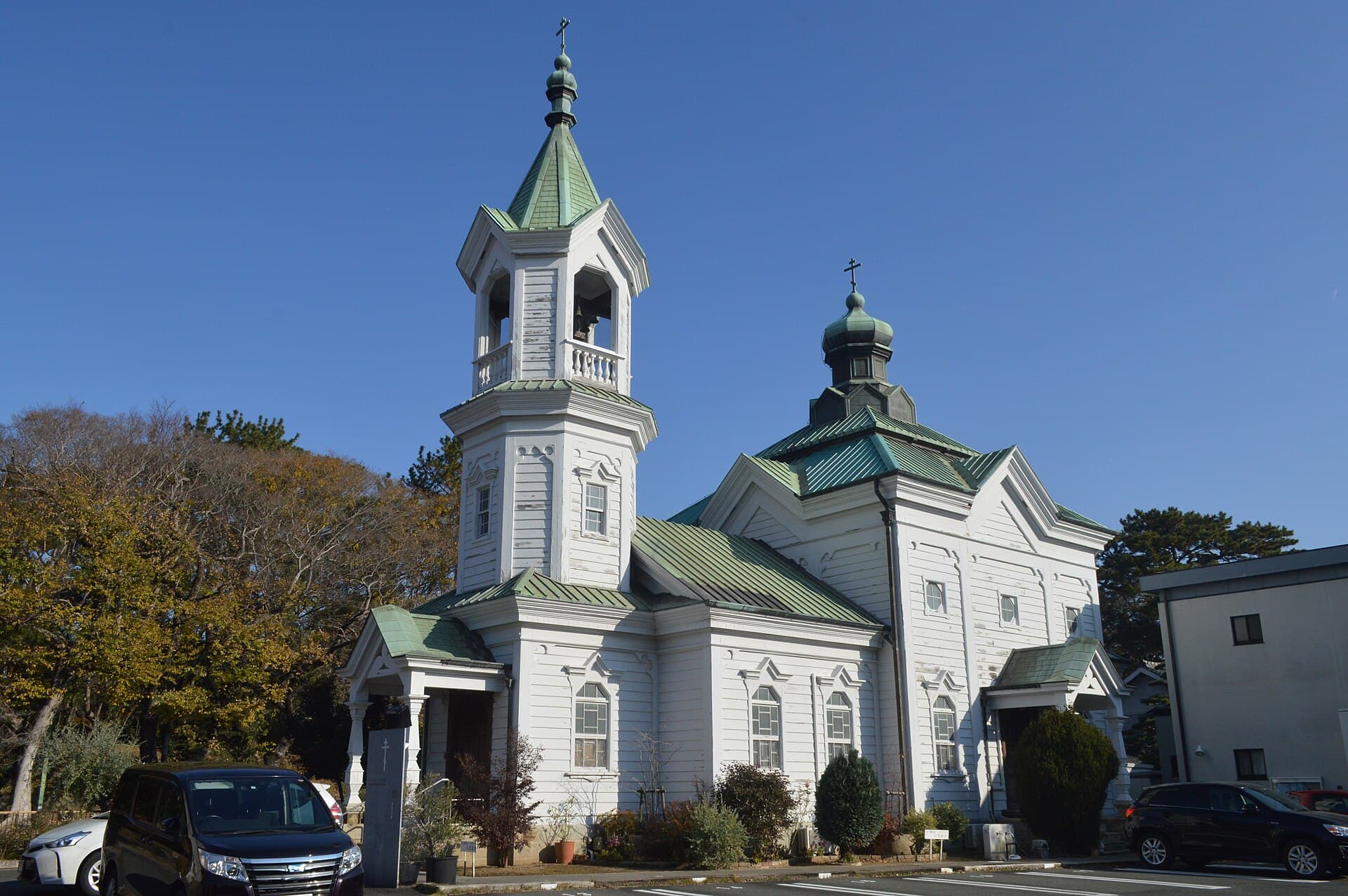
- Combine the visit with Toyohashi’s city center to experience the contrast between historic post town and modern regional hub.