Why University Peak Draws Serious Climbers
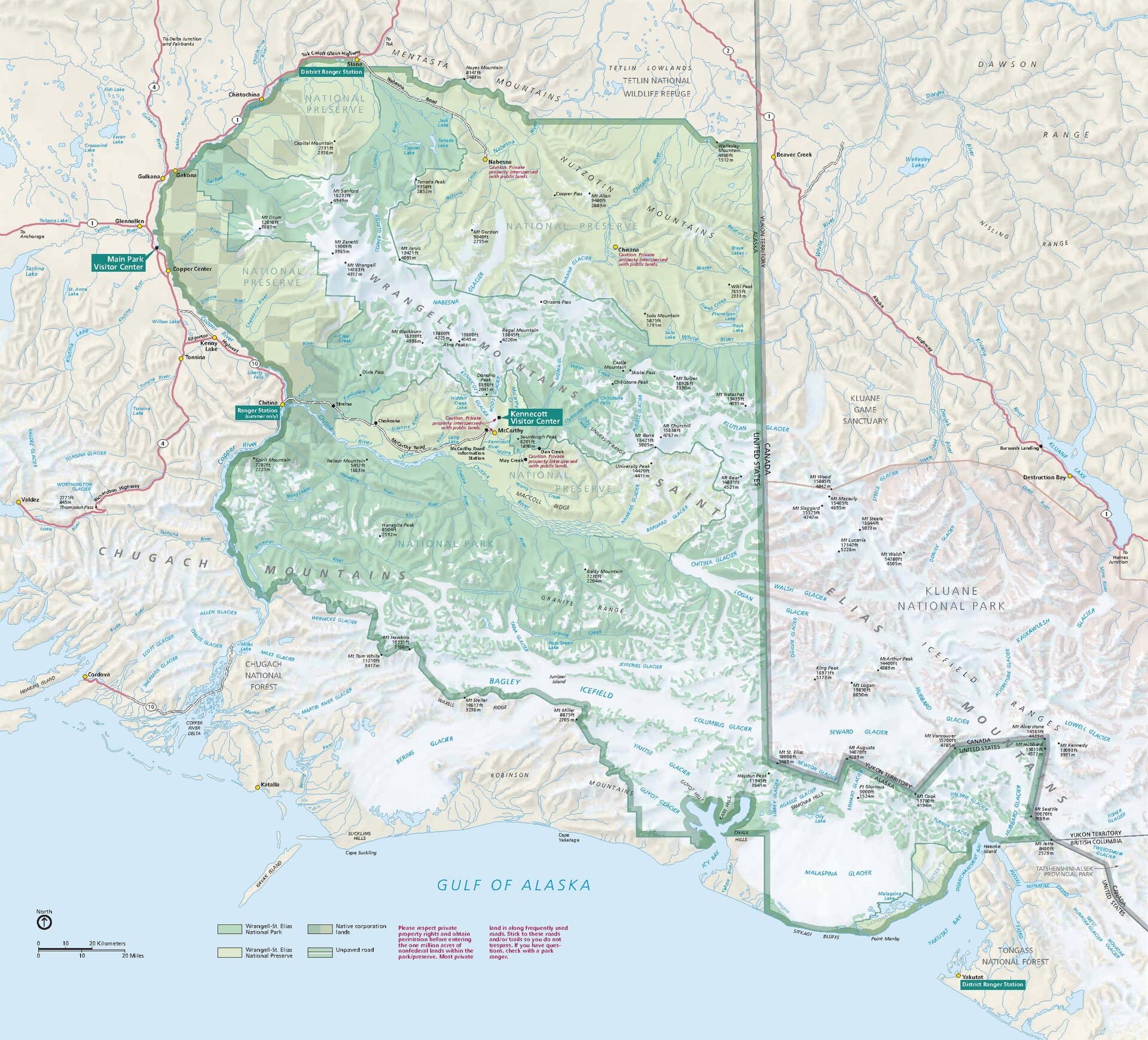
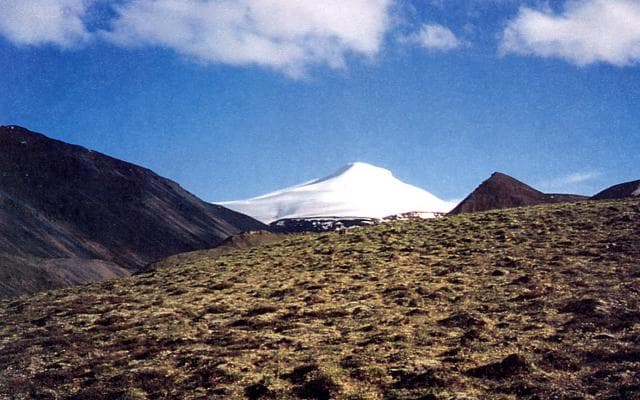
University Peak rises dramatically in the Saint Elias Mountains of Wrangell-St. Elias National Park and Preserve, offering one of Alaska’s most remote and technically demanding non-technical ascents. Its broad, glaciated slopes and sweeping views across the Bagley Icefield and neighboring giants make it a worthy objective for experienced mountaineers seeking solitude far from crowded ranges.
Reaching the Mountain
Access begins with flights into McCarthy or Yakutat, followed by bush-plane landings on the distant glaciers or long overland approaches from the Nabesna Road. Most parties arrange air support to place a base camp on the University Glacier or nearby snowfields. Self-supported hikers face multi-day traverses across moraine and ice, requiring strong route-finding skills and crevasse-rescue proficiency.
Best Time to Visit
June through early August offers the longest daylight and most stable snow bridges, though storms can arrive quickly at any time. Later summer brings softer snow for easier travel but increases avalanche and crevasse hazard as bridges weaken.
What to Expect on the Climb
The standard route follows moderate snow slopes with occasional ice sections and straightforward crevasse navigation. Most teams require three to five days round-trip from base camp, including acclimatization. The summit provides panoramic views of Mount Logan, Mount Saint Elias, and the vast Bagley Icefield. No established trails or facilities exist; every party must be fully self-sufficient.
Nearby Destinations
While in the park, consider side trips to the historic Kennecott Mines, the Root Glacier, or longer expeditions toward Mount Bona or Mount Churchill. These add context to the immense scale of the Saint Elias range.
Essential Preparation
Climbers need glacier-travel experience, crevasse-rescue training, and solid navigation skills in whiteout conditions. Permits are required for park entry and any aircraft landings; check current National Park Service regulations well in advance. Weather windows are short, so flexible itineraries and extra food are essential.