
Keep reading
Nearby & related
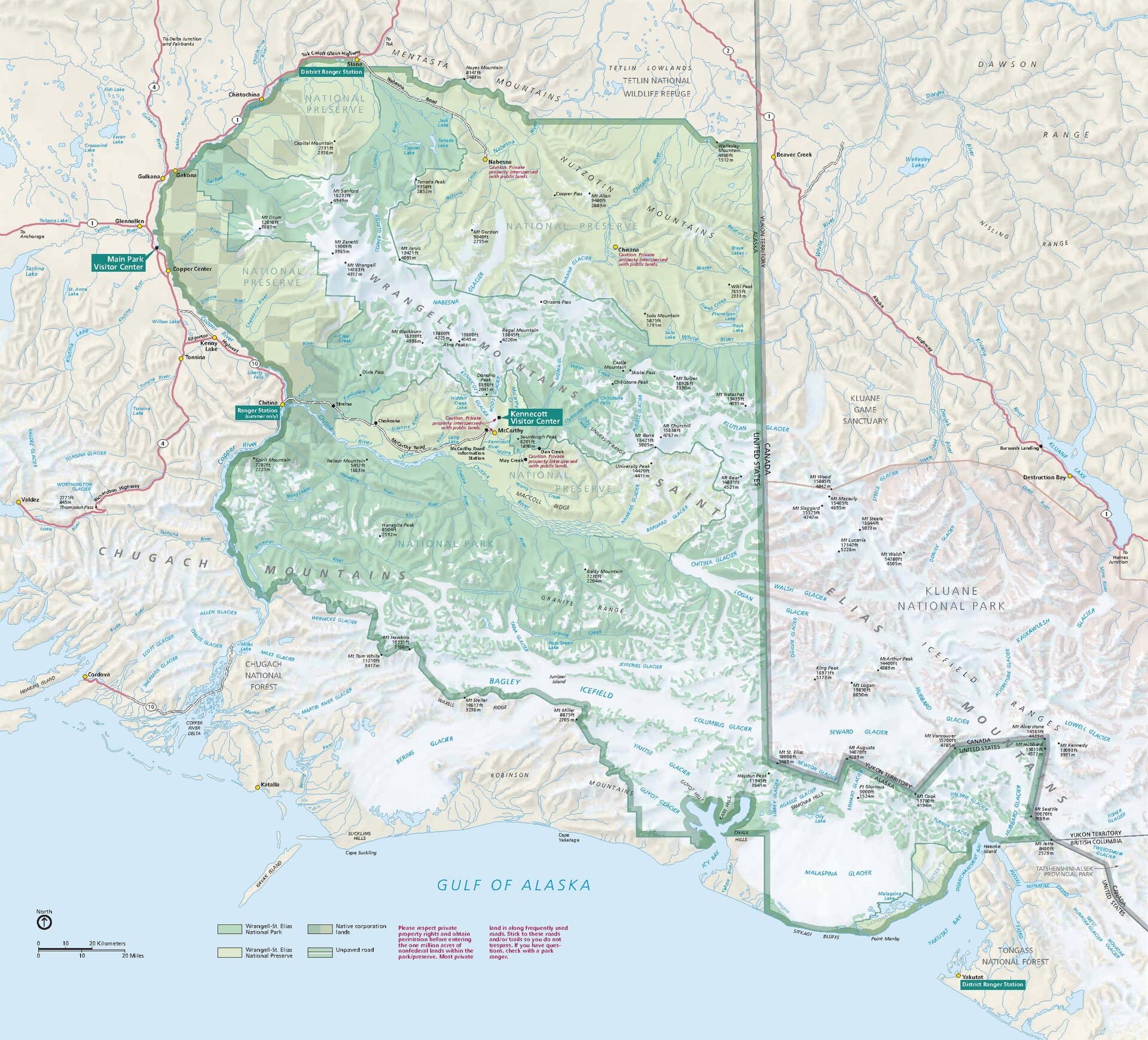
University Peak: Climbing Alaska’s Remote Saint Elias Giant
A guide to reaching and ascending the striking 14,470-foot University Peak in Wrangell-St. Elias National Park.
15 August 2026
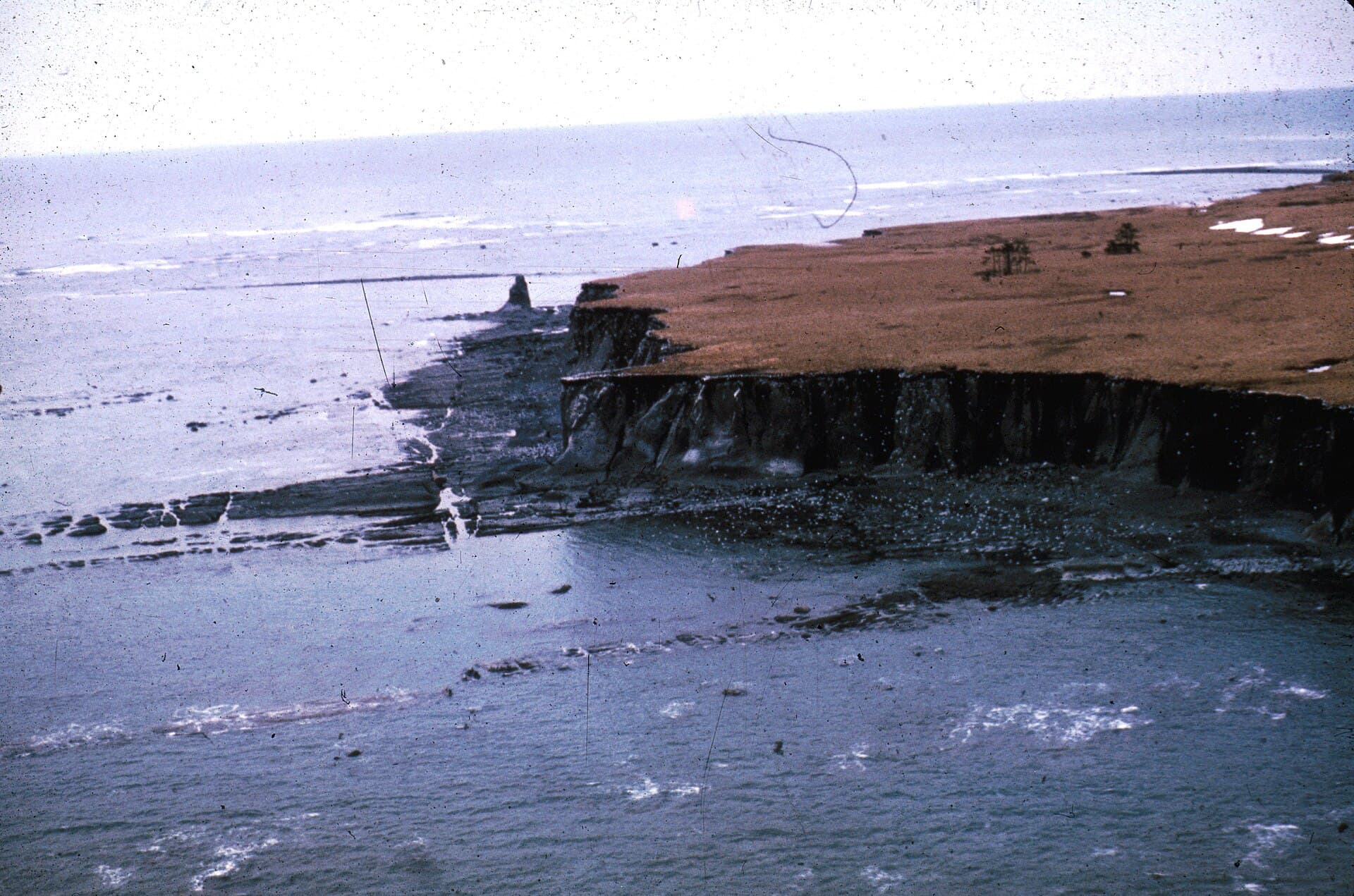
This isolated speck of land offers serious birders and wilderness seekers unmatched seabird colonies and marine life far from crowds.
Middleton Island sits alone in the Gulf of Alaska, roughly 150 miles south of Cordova. Its flat terrain and position along major migration routes create one of the densest seabird colonies in the North Pacific. Visitors come for the chance to watch thousands of kittiwakes, murres, puffins, and storm-petrels from the shore without the boat traffic common at more accessible sites.
Most travelers reach the island by charter flight from Cordova or Valdez, landing on the long historic runway. A few hardy souls arrange boat charters out of Prince William Sound, though weather windows are narrow. No regular ferry service exists, so trips require advance coordination with local pilots or outfitters familiar with the island’s limited landing options.
Late May through early August brings peak seabird activity and milder weather. June and July offer the longest days for extended wildlife viewing. September can produce strong pelagic bird movements but increases the chance of storms that strand visitors.
Walk the perimeter trails to reach cliffside colonies where birds nest in dense numbers. The old airfield provides easy access to interior wetlands favored by shorebirds. Marine mammals appear regularly: harbor seals haul out on beaches, and sea otters raft in the kelp beds. Bring a spotting scope for distant identification of shearwaters and albatrosses passing offshore. The island’s small research station and former lighthouse offer quiet photo subjects but remain closed to the public.
After a Middleton trip, many travelers continue to the Copper River Delta near Cordova for salmon fishing and bear viewing, or explore the protected waters of Prince William Sound for kayaking and glacier tours.
The island has no services, stores, or cell coverage. Visitors must carry all food, water, and shelter. Strong winds and sudden fog are common, so flexible itineraries are essential.
Keep reading
A guide to reaching and ascending the striking 14,470-foot University Peak in Wrangell-St. Elias National Park.
The island has no permanent residents. Occasional researchers and maintenance crews stay for short periods, but visitors should expect complete solitude.
Primitive camping is possible with proper permits from the Alaska Maritime National Wildlife Refuge, though there are no designated sites or facilities.
Most day visitors require no special permit beyond standard refuge regulations, but overnight stays and research activities need advance approval from refuge managers.
No bears inhabit Middleton Island. The main wildlife concerns are aggressive nesting birds and marine mammals that should not be approached.
Most visitors spend one or two nights to account for weather delays and to experience both morning and evening bird activity.
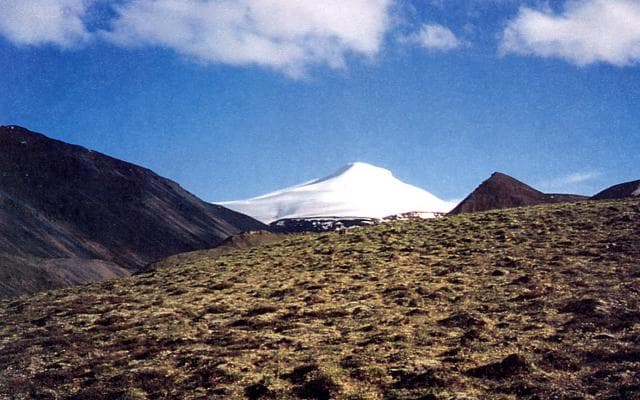
Summit views, glacier vistas, and true backcountry solitude await at this little-visited peak in Wrangell-St. Elias…