Why Visit Umnak
Umnak stands as one of the most isolated and dramatic islands in the Aleutian chain, offering visitors a raw encounter with volcanic terrain, marine life, and Aleut cultural heritage. Its position west of Unalaska creates a sense of true wilderness that few places in the United States can match.
Getting There
Access requires careful planning. Most travelers fly into Dutch Harbor on Unalaska Island, then arrange boat transport or a small-plane charter across the narrow strait. There are no regular commercial services directly to Umnak, so independent arrangements with local operators are essential. Weather frequently disrupts schedules, so build flexibility into any itinerary.
Best Time to Visit
Summer months from June through early September bring the mildest temperatures and longest daylight, improving chances for hiking and wildlife viewing. Winter travel is possible but demands serious preparation for high winds, snow, and limited daylight. Spring and fall offer shoulder-season solitude but increase the risk of storms.
Landscapes and Volcanoes
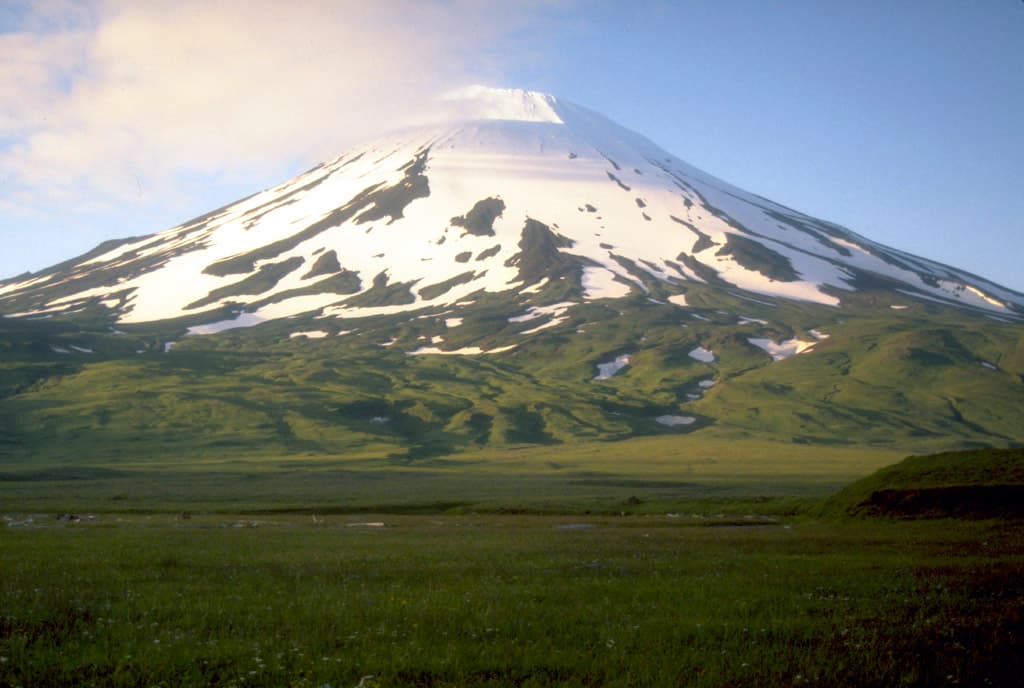
The island features striking volcanic features, including the broad Okmok Caldera and the symmetrical cone of Mount Recheshnoi. These formations create dramatic backdrops for extended hikes across tundra and lava fields. Coastal cliffs provide nesting sites for thousands of seabirds.
Wildlife Viewing
Marine mammals are a primary draw. Harbor seals and sea otters frequent nearshore waters, while Steller sea lions haul out on rocky beaches. Caribou herds roam the interior, and brown bears are occasionally sighted. Birders can observe puffins, kittiwakes, and murres along the shoreline.
Cultural and Historical Context
Umnak has been home to Unangan (Aleut) people for millennia. Scattered archaeological sites and the modern village of Nikolski offer glimpses into traditional subsistence life centered on fishing and marine mammal hunting. WWII-era remnants from the Aleutian campaign remain visible in certain areas.
Nearby Destinations
From Umnak, travelers often combine visits with Unalaska and Dutch Harbor for additional Aleutian history and services. The chain continues westward toward the remote islands of the Alaska Maritime National Wildlife Refuge, though further travel requires additional logistics.