Why Visit Umak Island
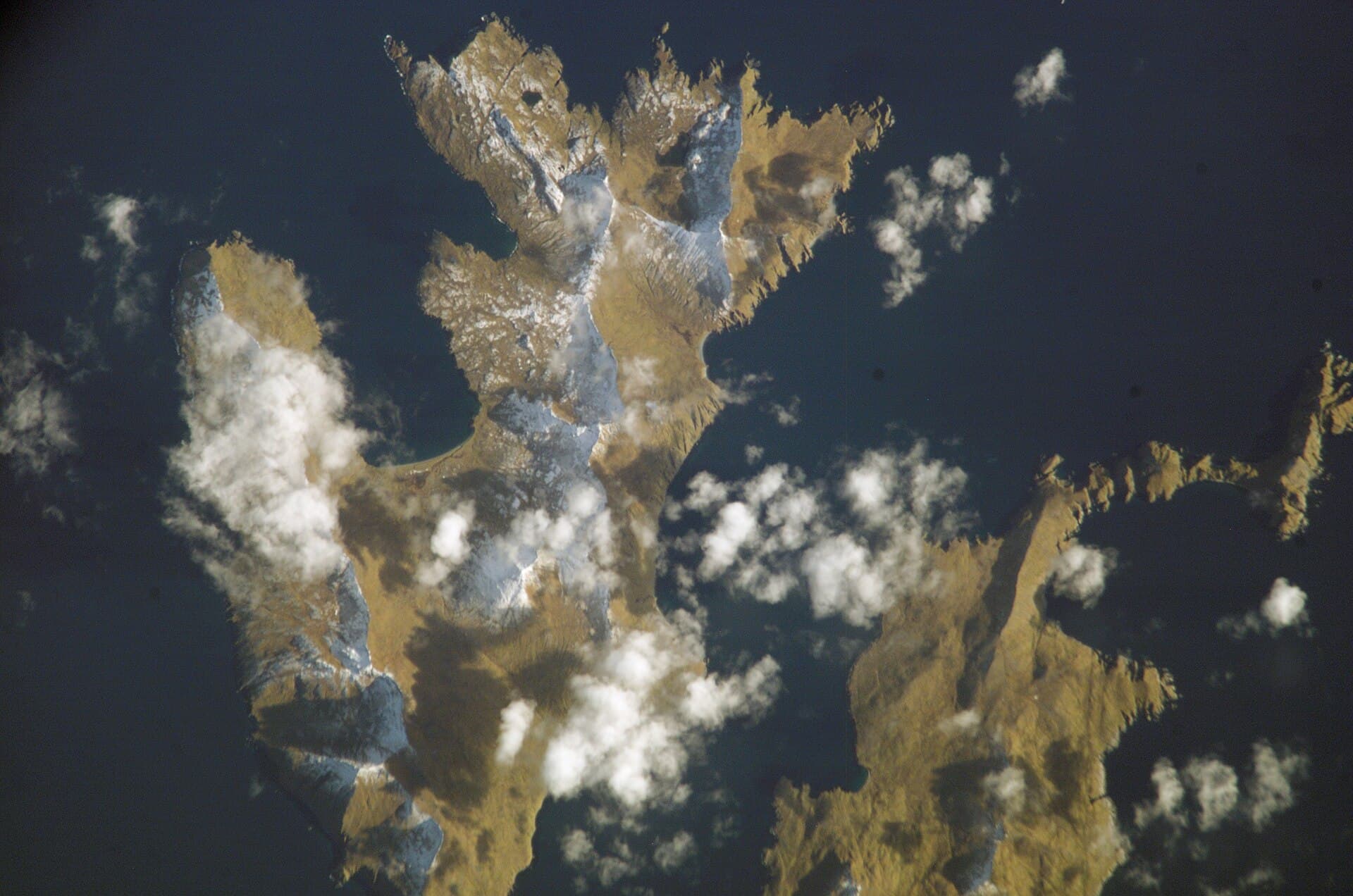
Umak Island sits in the Andreanof group of the Aleutian Islands, offering visitors a rare chance to experience truly remote Alaska wilderness. Its steep volcanic slopes, rocky shores, and sheltered bays support dense seabird colonies and marine mammals without the crowds found on more accessible islands. The island’s isolation preserves a sense of discovery that appeals to hikers, birders, and history enthusiasts alike.
Getting to Umak Island
Access begins with a flight to Adak, the nearest hub with scheduled air service. From Adak, travelers arrange boat charters across the narrow strait to Umak. Weather windows dictate departures, so flexible itineraries are essential. No public ferry or scheduled service reaches the island directly, making advance coordination with local operators necessary for any visit.
Best Time to Visit
June through early September offers the most reliable conditions, with longer daylight, calmer seas, and peak seabird activity. Winter visits are rare due to frequent storms and short days. Summer also coincides with the brief window when wildflowers carpet lower slopes and salmon runs attract eagles and bears on nearby islands.
Things to Do on Umak Island
Hiking along ridgelines provides sweeping views of the surrounding ocean and distant volcanoes. Kayakers explore protected coves where sea otters raft and harbor seals haul out. Birdwatching is exceptional; tufted puffins, kittiwakes, and murres nest in large numbers along cliffs. Remnants of World War II-era structures, including concrete foundations and rusted equipment, offer a tangible link to the Aleutian campaign without dominating the landscape. Fishing from shore or kayak yields rockfish and halibut in season.
Nearby Attractions
Adak Island lies just to the west, with its own network of trails and WWII history sites. Kagalaska Island to the east features additional hiking opportunities and a small research station. Further afield, the larger community of Unalaska provides cultural context through its Unangax heritage sites and Russian-era architecture.
Practical Considerations
Visitors must be fully self-sufficient. Fresh water sources exist but require treatment. Cell service is nonexistent, so satellite communication is recommended. All waste must be packed out to protect the fragile ecosystem.