Keep reading
Nearby & related
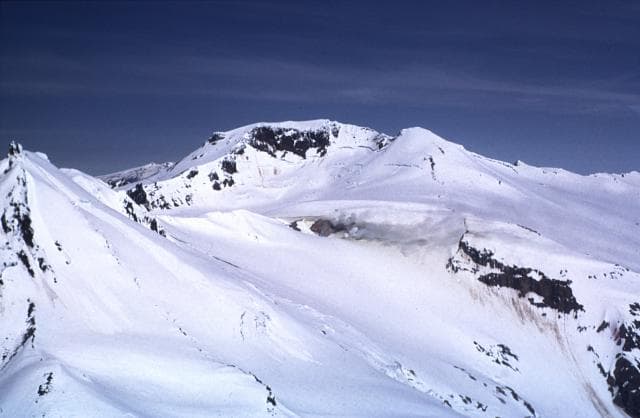
Mount Kupreanof: Hiking Alaska’s Remote Volcanic Summit
A practical guide to reaching and exploring this isolated peak on the Alaska Peninsula.
16 August 2026
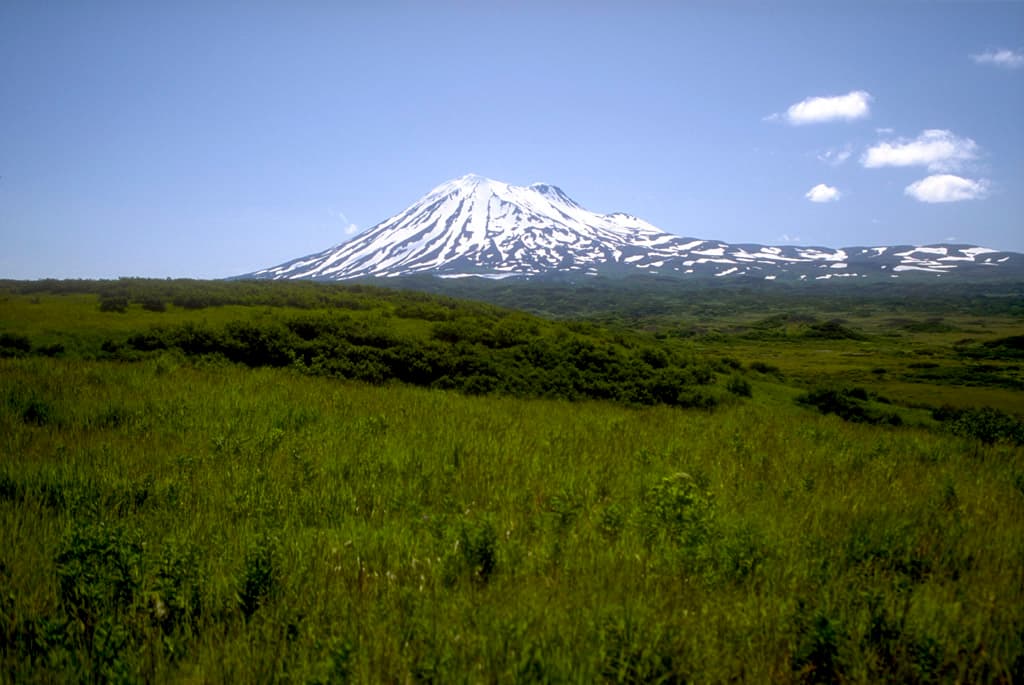
Explore the fumarole fields and wild terrain of this little-visited stratovolcano on the Alaska Peninsula.
Ugashik-Peulik rises as a classic stratovolcano in the Aleutian Range, offering hikers rare access to active fumaroles, colorful mineral deposits, and sweeping views across the Alaska Peninsula. Its isolation within Lake and Peninsula Borough keeps crowds away, creating a true wilderness experience amid volcanic geology and abundant wildlife.
Reach the mountain by floatplane from King Salmon or Iliamna, landing on nearby Ugashik Lake or Becharof Lake. From the lakeshore, hikers follow faint game trails and ridgelines to ascend the slopes. Some visitors charter boats across the lakes before beginning the overland trek. No roads connect the area, so all travel depends on air or water transport arranged in advance.
Climb toward the summit crater to observe steaming fumaroles and sulfur-stained rocks. Scan the tundra slopes for brown bears, caribou, and nesting raptors. In clear weather the panorama includes the Pacific coast to the west and the vast Becharof National Wildlife Refuge to the east. Photographers prize the contrast between dark volcanic rock and bright wildflowers that bloom in summer.
Plan trips between late June and early September when snow has melted from lower slopes and daylight lasts nearly 24 hours. July and August bring the warmest temperatures and most stable flying weather, though rain and fog remain possible any day. Winter travel is feasible only for experienced mountaineers equipped for extreme cold and avalanche risk.
Combine a visit with nearby Katmai National Park for bear viewing at Brooks Camp or fishing on the Alagnak River. The Ugashik Lakes themselves offer excellent kayaking and trout fishing just a short distance from the volcano’s base.
Keep reading
A practical guide to reaching and exploring this isolated peak on the Alaska Peninsula.
The ascent involves steep, trailless tundra and loose volcanic scree; it suits experienced backpackers comfortable with route-finding.
No developed facilities exist; visitors must be fully self-sufficient with shelter, food, and water treatment.
Lower fumarole fields can be reached on day hikes from lake level, though the most dramatic vents lie higher on the slopes.
Brown bears frequent the area, especially near streams; maintain distance and carry bear spray at all times.
The volcano is classified as dormant with only minor fumarolic activity; no recent eruptions have occurred.
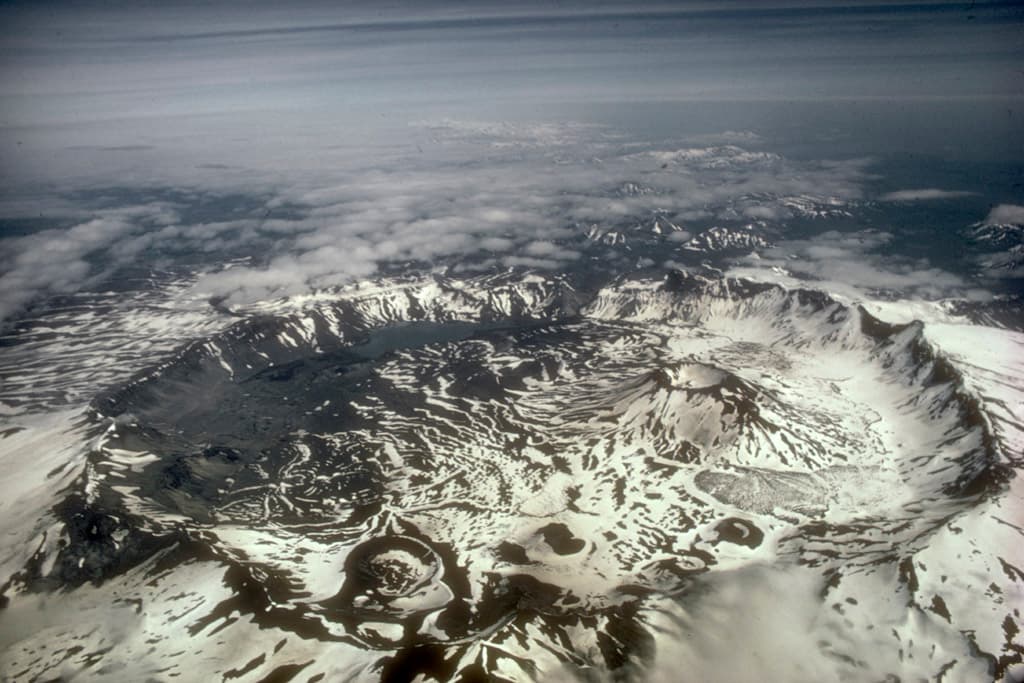
Venture into one of Alaska’s most isolated protected areas to experience a vast volcanic caldera, abundant wildlife, and…
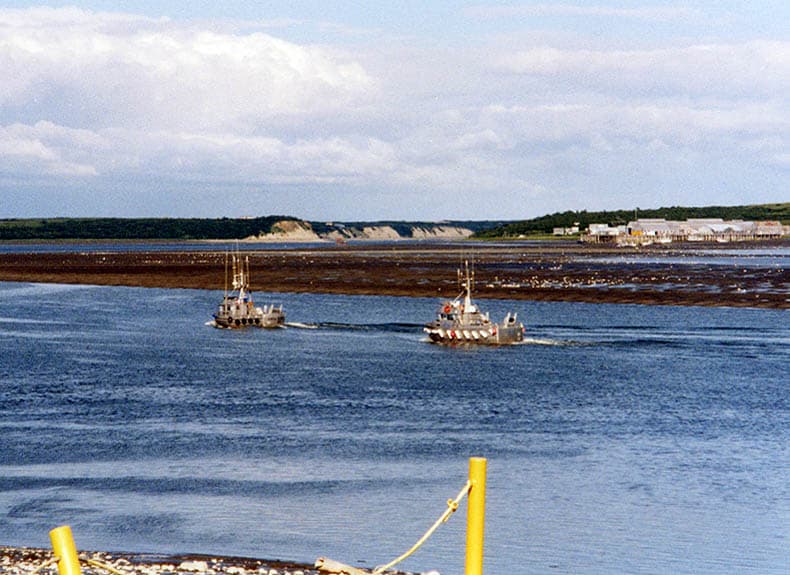
Experience world-class sockeye and king salmon fishing amid Alaska’s vast Bristol Bay wilderness.