Skip to content
Plan & Tour
DestinationsItinerariesTravel BlogAboutContact
0Sign inPlan a trip
Plan & TourPlan & Tour

Travel guides, destination inspiration and curated itineraries for Canada, the USA and beyond, plus a free tool to plan your own day-by-day trip.

Get travel inspiration

Explore

  • All Destinations
  • Curated Itineraries
  • Travel Blog
  • Plan a Trip

Topics

  • Hiking & Nature
  • Food & Drink
  • City Breaks
  • Budget Travel

Company

  • About Us
  • Contact
  • Privacy Policy
  • Terms of Service

© 2026 Plan & Tour. Built for travellers.

Discover the world, one trip at a time.

Alagnak River: Rafting, Fishing, and Wildlife in Alaska’s Remote Wilderness
  1. Home
  2. Destinations
  3. Alaska
  4. Alagnak River: Rafting, Fishing, and Wildlife in Alaska’s Remote Wilderness
Protected area

Alagnak River: Rafting, Fishing, and Wildlife in Alaska’s Remote Wilderness

Float through pristine tundra and volcanic landscapes on this wild and scenic river in southwest Alaska.

AlaskaUpdated 15 August 2026

Why the Alagnak River Stands Out

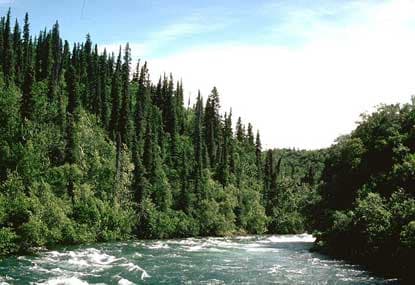
The Alagnak River flows 67 miles from Kukaklek Lake through rolling tundra and spruce forests before reaching Bristol Bay. Designated a National Wild and Scenic River, it remains one of Alaska’s most intact salmon ecosystems, drawing visitors who seek solitude and abundant wildlife rather than developed facilities.

Signature Activities

Float trips by raft or kayak offer the best way to experience the river’s changing character, from swift upper sections with Class II rapids to calmer lower reaches ideal for fishing. Sockeye salmon runs peak in July, followed by silver salmon in August and September; rainbow trout and Arctic grayling provide consistent action throughout the season. Brown bears frequently appear along gravel bars to fish, while moose, caribou, and bald eagles are common sights from the water.

Wildlife Viewing and Photography

Early morning and late evening floats increase chances of seeing bears fishing or moose browsing in side channels. Carry binoculars and maintain at least 50 yards from any animal; never approach for photos.

Getting There

Most travelers fly into King Salmon via Anchorage, then take a floatplane or jet boat upriver to put-in points near Kukaklek Lake or the upper Alagnak. Multi-day rafting packages typically include round-trip air transport from King Salmon, rafting gear, and camp support. Independent travelers can arrange charter flights directly to lakeside gravel strips.

Best Time to Visit

June through early September provides the longest daylight, highest salmon runs, and mildest weather. July offers the strongest sockeye fishing and most reliable bear sightings. Shoulder months bring fewer people but cooler temperatures and possible rain or early snow at higher elevations.

Nearby Destinations

Many visitors combine an Alagnak trip with Katmai National Park to the south, where Brooks Camp provides additional bear-viewing platforms. The nearby Naknek River and Lake Iliamna offer alternative fishing options if water levels on the Alagnak drop.

Visitor tips

  • Pack layered clothing and rain gear; weather changes rapidly even in summer.
  • Hire a licensed guide or outfitter for first-time visitors to navigate bear country safely and handle logistics.
  • Reserve flights and river permits months aheadu2014access is limited and demand is high during peak salmon season.

Frequently asked questions

Do I need a fishing license for the Alagnak River?+

Yes. Non-residents must purchase an Alaska sport fishing license and any required stamps before fishing; these are available online or at vendors in King Salmon.

How long should I plan for a trip on the Alagnak?+

Most rafting itineraries last four to seven days to allow time for fishing stops and wildlife viewing while covering the full length from the lake to tidewater.

Are there developed campgrounds along the river?+

No. Camping is primitive on gravel bars or designated sites; visitors must practice Leave No Trace principles and pack out all waste.

What is the river like for beginners?+

Upper sections contain Class II rapids suitable for novice paddlers with a guide; lower sections are gentle but require awareness of strong tidal currents near the mouth.

Can I visit without joining a guided trip?+

Independent travel is possible but requires arranging your own floatplane access, raft rentals, and safety equipment; most first-time visitors find a guided package far safer and more efficient.

Share
Google Maps Apple Maps Directions

Visitor info

Official website

Contact info via Wikidata

Image: NPS Photo · Public domain · via Wikimedia Commons

Keep reading

Nearby & related

All stories
Mount Russell: Wilderness Climbing in Alaska’s Denali National Park
Denali Borough

Mount Russell: Wilderness Climbing in Alaska’s Denali National Park

Discover the remote peaks, wildlife-rich valleys, and serious mountaineering challenges of Mount Russell in Alaska’s…

15 August 2026
Chugul Island: A Remote Aleutian Wilderness for Wildlife and Solitude
Aleutians West Census Area

Chugul Island: A Remote Aleutian Wilderness for Wildlife and Solitude

This uninhabited island in Alaska’s Aleutian chain offers seabird colonies, marine mammals, and stark volcanic scenery…

15 August 2026
Uliaga Island: Remote Volcanic Wilderness in Alaska’s Aleutian Chain
Aleutians West Census Area

Uliaga Island: Remote Volcanic Wilderness in Alaska’s Aleutian Chain

This uninhabited Aleutian island delivers dramatic volcanic terrain and abundant seabird colonies for hardy explorers.

15 August 2026