Why Visit Mount Kupreanof
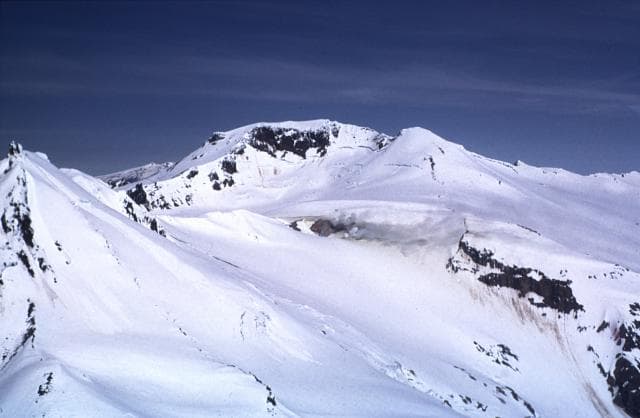
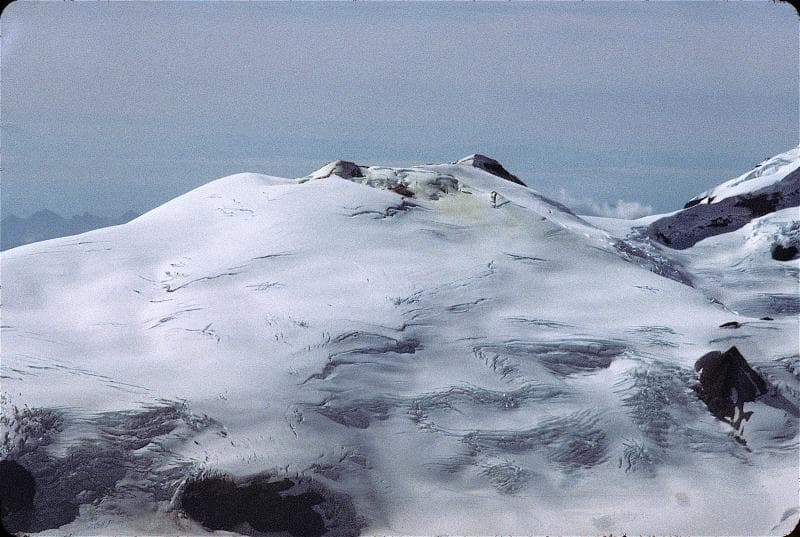
Mount Kupreanof rises as a solitary volcanic cone on the Alaska Peninsula, offering visitors sweeping views of tundra, lakes, and the Pacific coast. Its remote setting in Lake and Peninsula Borough delivers solitude rarely found on more accessible Alaskan peaks. Hikers and photographers are drawn by the chance to walk across volcanic terrain while scanning for brown bears, caribou, and seabirds.
Getting There
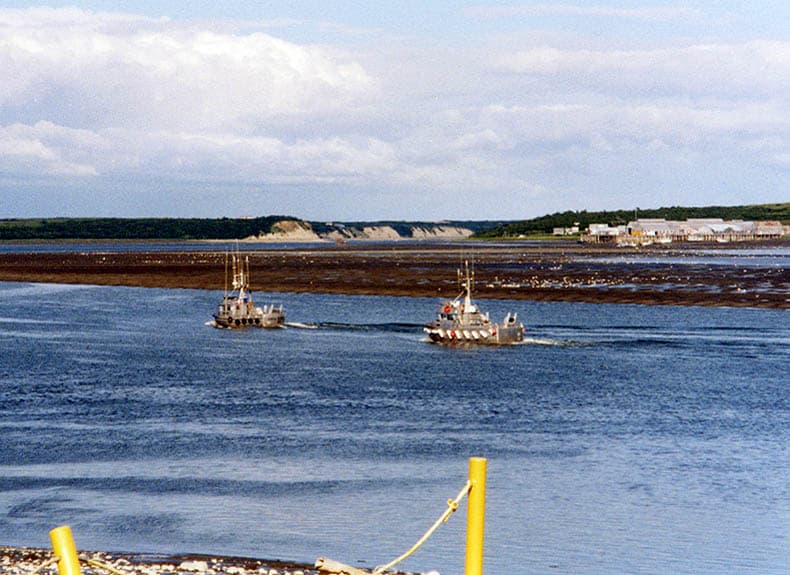
Access begins with a flight to King Salmon or Dillingham, followed by a float-plane or boat charter to the western shore of the peninsula. From the drop-off point, travelers hike cross-country across open tundra and alder thickets toward the mountain’s lower slopes. No maintained trails exist, so navigation relies on map, compass, and GPS. Expect several days of travel each way when planning a summit attempt.
Best Time to Visit
June through early September provides the longest daylight and driest conditions for hiking. Snow lingers on higher slopes into July, while August brings ripe berries and active wildlife. Shoulder months of May and October increase weather risks and reduce charter availability.
What to See and Do
Most visitors focus on the long approach hike, camping on gravel bars or dry ridges. The summit itself requires route-finding over loose volcanic rock and possible snowfields. Wildlife viewing along lake shores and coastal flats is a highlight, as is watching weather systems move across Bristol Bay. Photographers often position themselves on the west flank for sunset light over the mountain’s symmetrical cone.
Nearby Attractions
- Becharof National Wildlife Refuge offers additional lake and river paddling opportunities.
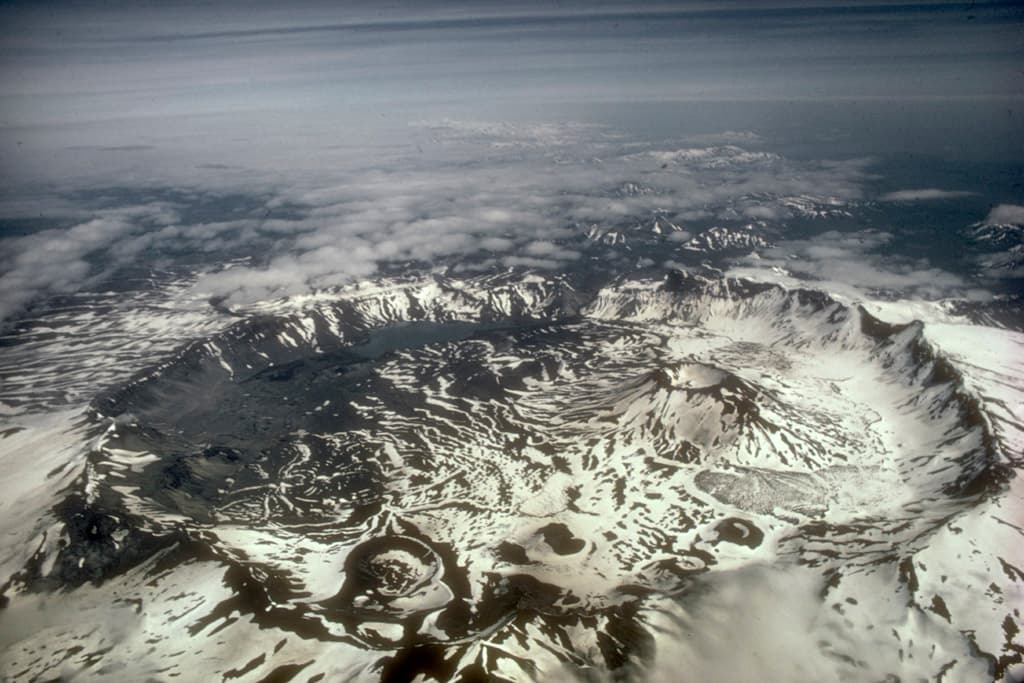
- The Aniakchak Caldera lies roughly 100 miles south, reachable by extended charter flights.
- Coastal hot springs near the peninsula’s western edge provide a rare warm soak after multi-day hikes.
Practical Considerations
Travelers must carry all food, fuel, and shelter. Brown-bear country demands strict food-storage discipline and situational awareness. Weather can change rapidly, turning a clear day into whiteout conditions. Cell service is nonexistent; satellite communicators are strongly recommended.