Overview of Aniakchak National Monument and Preserve
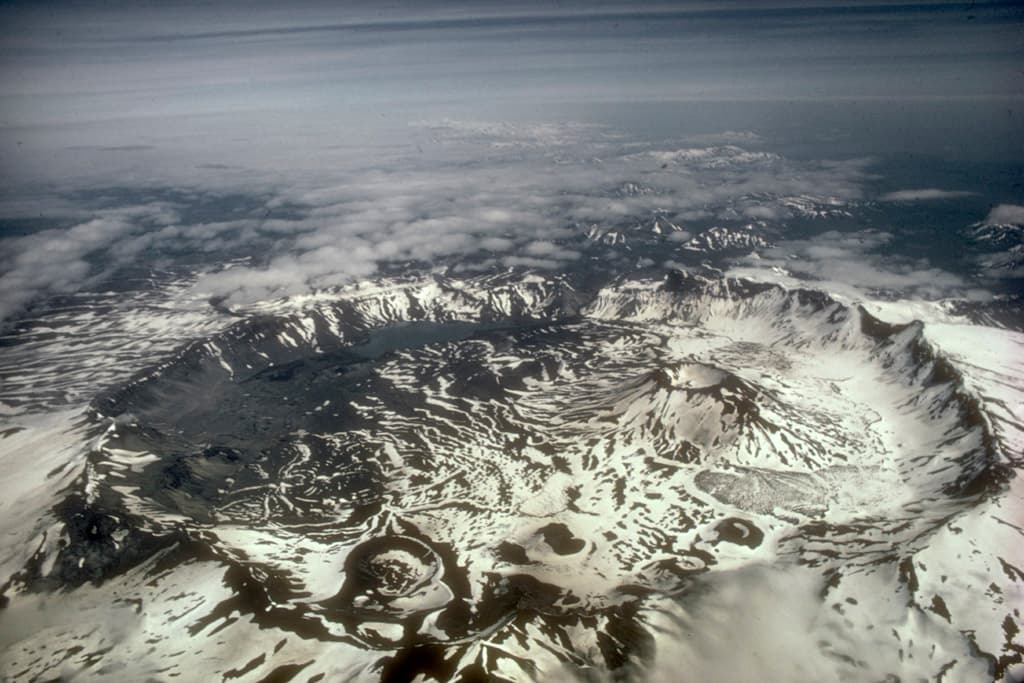
Located in Alaska’s Lake and Peninsula Borough, Aniakchak National Monument and Preserve protects a dramatic 6-mile-wide caldera formed by the collapse of the Aniakchak volcano thousands of years ago. This remote site offers visitors a rare chance to explore pristine volcanic terrain, steaming hot springs, and rugged coastal areas without crowds or developed infrastructure.
The Caldera and Surrounding Landscape
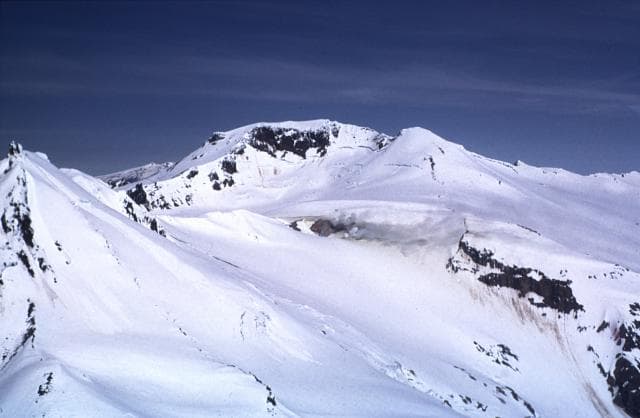
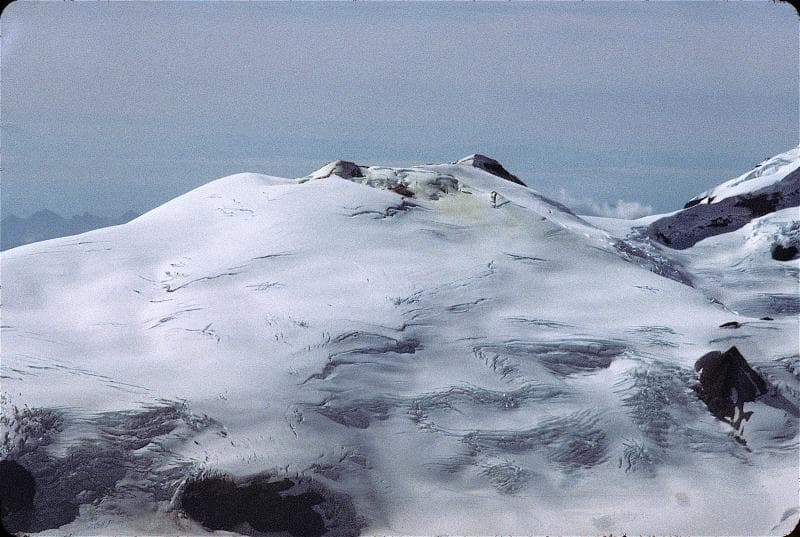
The centerpiece is the massive Aniakchak Crater, rimmed by peaks rising over 2,000 feet. Inside the caldera, visitors find Surprise Lake, which drains through a narrow gorge into the Aniakchak River. The preserve extends to the Pacific coast, where black-sand beaches and tide pools add to the diversity. Lava flows, cinder cones, and fumaroles create a stark, otherworldly environment shaped by repeated eruptions, the most recent in 1931.
Getting to Aniakchak
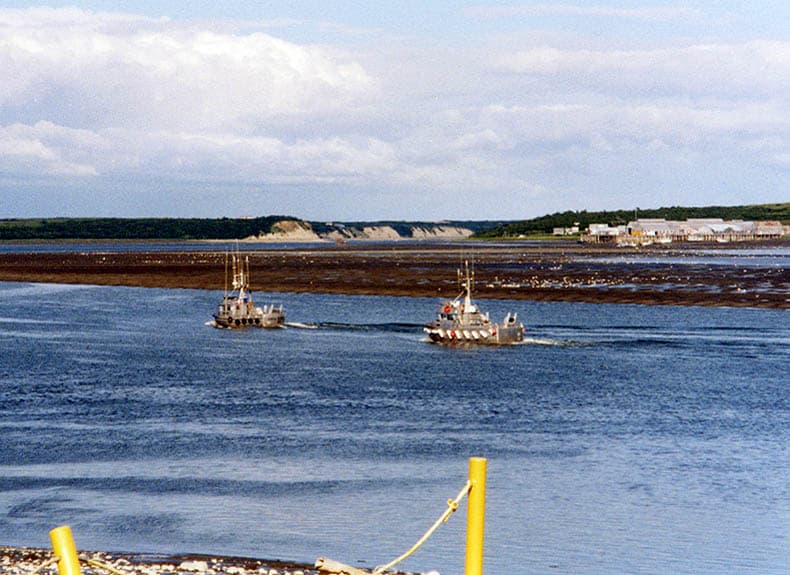
Access requires careful planning due to the area’s extreme isolation. Most travelers arrive by floatplane from King Salmon or Port Heiden, landing on Surprise Lake or coastal waters. Some reach the coast by boat from nearby communities. No roads or maintained trails exist within the monument, so movement depends on foot, raft, or kayak once on site. Weather can ground flights for days, making flexible itineraries essential.
Best Time to Visit
The optimal window runs from June through September when snow has melted and temperatures are milder. July and August bring the longest days for hiking and fishing, while September offers colorful tundra foliage and fewer insects. Winter travel is possible but demands advanced skills in snow and ice navigation. Avoid shoulder seasons when storms frequently disrupt transportation.
Activities and Wildlife
Popular pursuits include rafting the Aniakchak River, which offers Class III-IV rapids through the caldera walls. Anglers target salmon and trout in Surprise Lake and the river. Hiking along the crater rim or to coastal areas provides sweeping views. Wildlife sightings often include brown bears, caribou, moose, and seabirds along the shore. The preserve’s waters support harbor seals and sea otters. Visitors should maintain safe distances from animals and practice Leave No Trace principles.
Nearby Destinations
Katmai National Park lies to the north, offering additional volcanic features and bear-viewing opportunities. The Alaska Peninsula National Wildlife Refuge borders the area, extending opportunities for extended wilderness trips. Port Heiden provides basic services as the nearest small community.