Discovering Trapeang Phong Temple
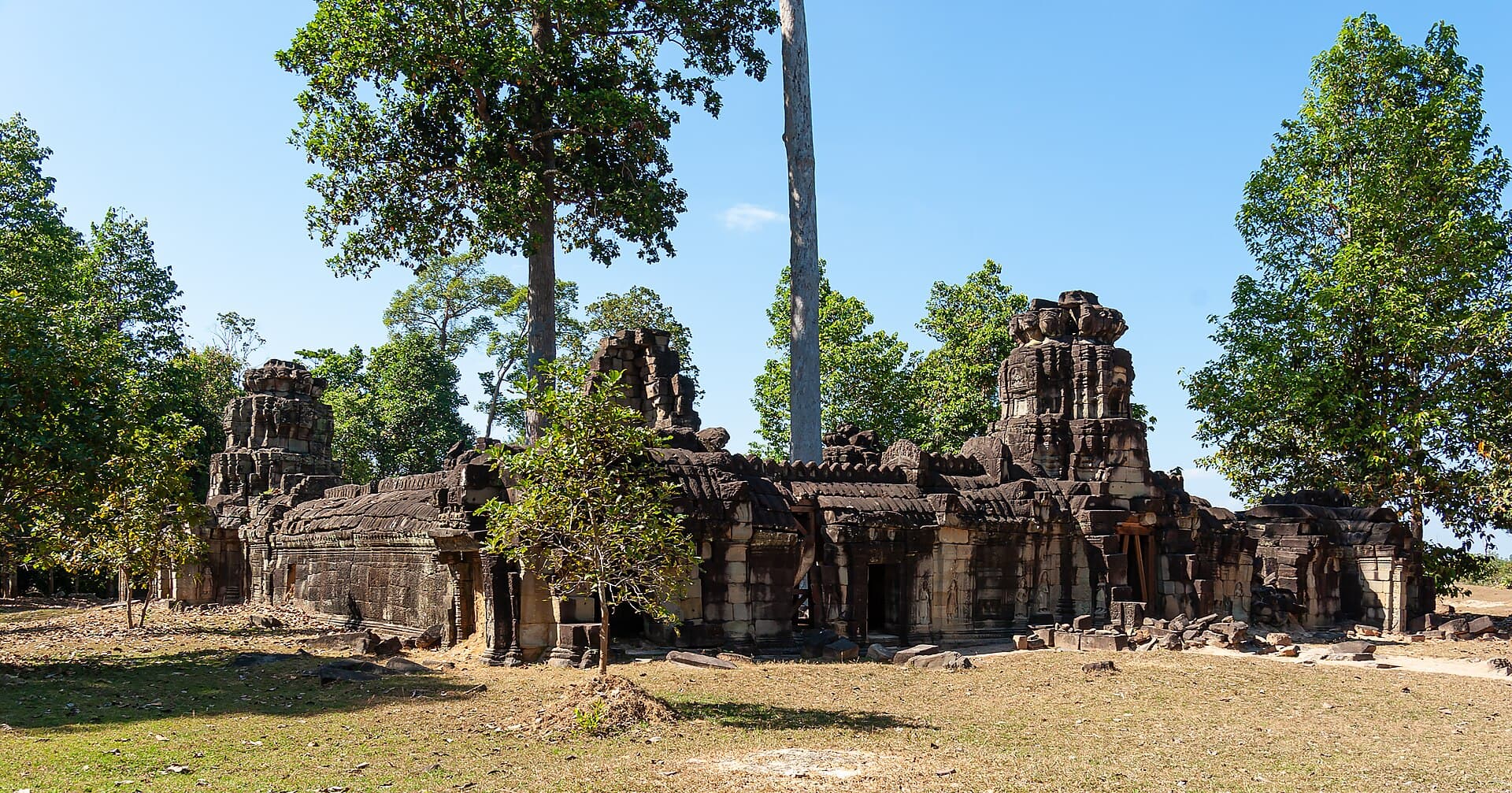
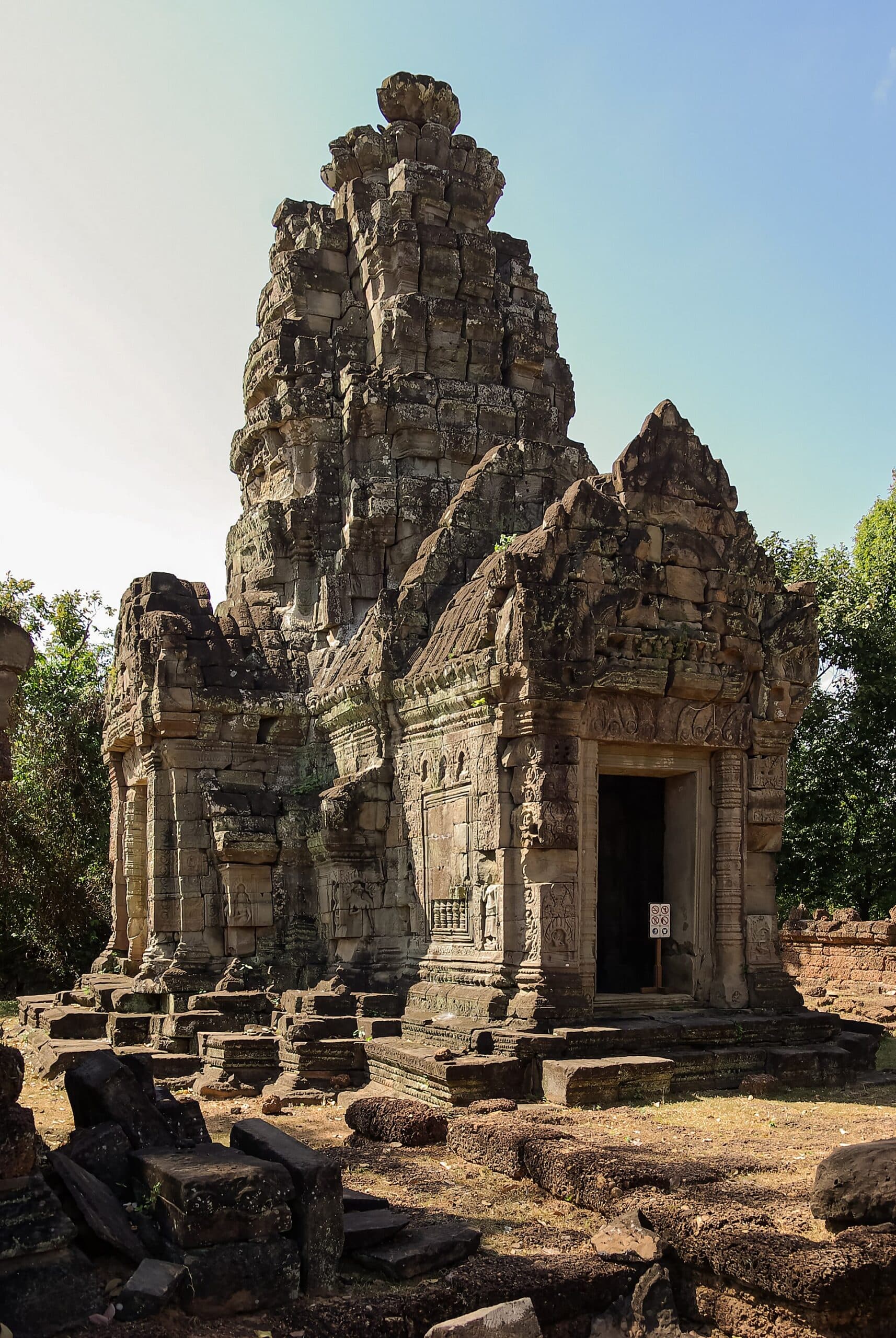
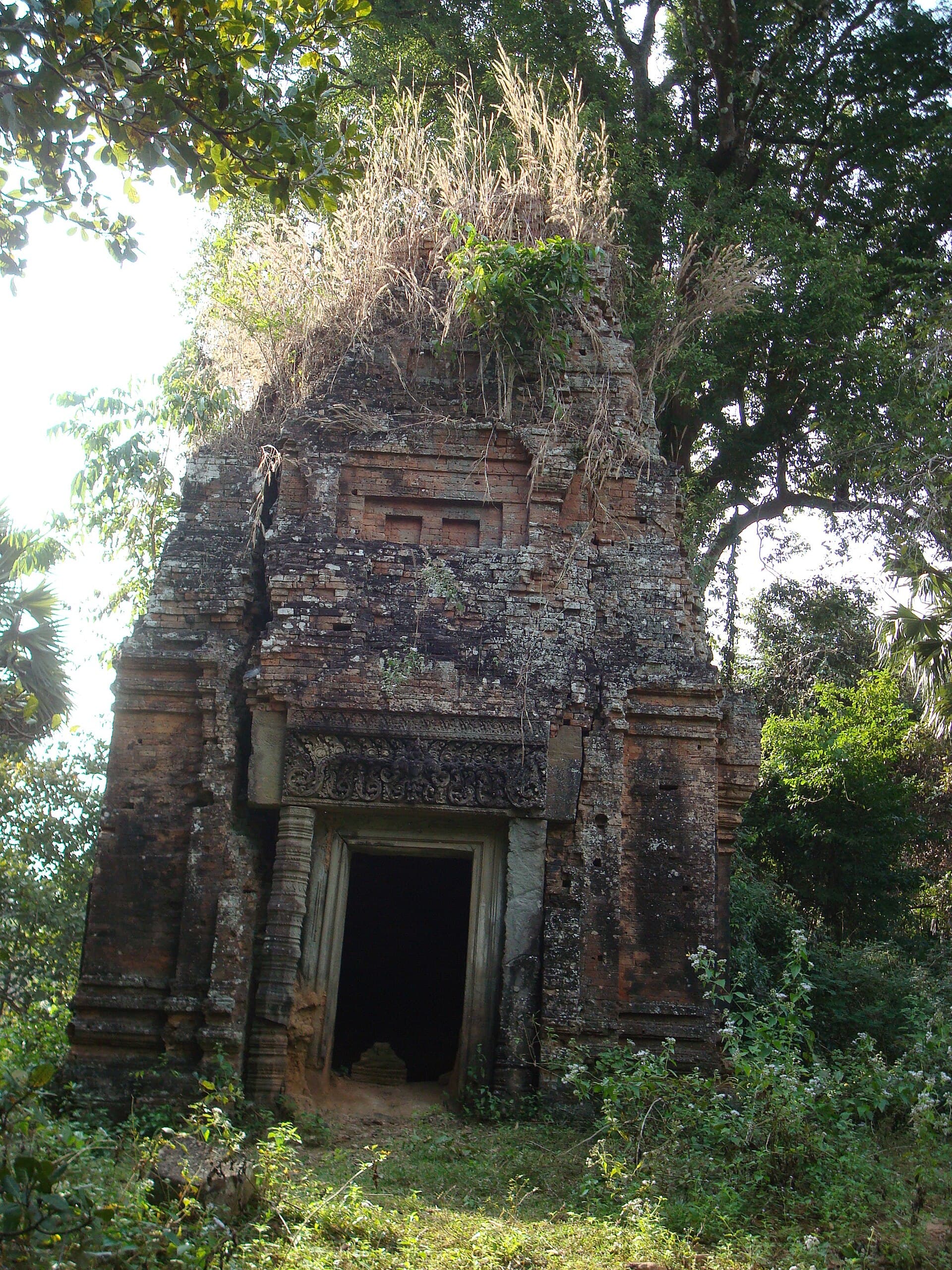
Trapeang Phong Temple stands as a modest yet evocative remnant of the Khmer Empire, located in Siem Reap Province roughly 20 kilometers east of central Siem Reap town. Built primarily in the 10th century during the reign of Rajendravarman II, the site features laterite and brick structures centered around a small reservoir, or trapeang, that gives the temple its name. Unlike the grand sandstone towers of Angkor Wat or Bayon, this archaeological site feels intimate, with moss-covered walls and carved lintels that hint at its former religious significance without overwhelming crowds.
History and Architecture
The temple complex reflects classic pre-Angkorian and early Angkorian design elements. Its main sanctuary consists of a central brick tower flanked by smaller structures, with decorative elements including false doors and floral motifs typical of the period. The surrounding moat and pond system highlight the Khmer mastery of water management, essential for both agriculture and ritual purposes. Over centuries, the site has been reclaimed by vegetation, creating a peaceful atmosphere where visitors can appreciate the integration of ancient monuments with the natural landscape.
What to See and Do
Walk the compact grounds to examine the surviving brickwork and remaining lintels up close. The central tower still retains traces of original plaster in places, while the eastern approach offers views across the pond toward the main structures. Photographers will find strong compositions framed by palm trees and rice paddies. Because the site is small, most visitors spend 45 to 60 minutes here, making it ideal for those seeking a slower pace after visiting larger temples.
Getting There and Practical Planning
Reach Trapeang Phong by tuk-tuk, motorbike, or private car from Siem Reap. The journey takes about 30 to 40 minutes via Route 6 and smaller rural roads. Many travelers combine the visit with nearby sites such as Banteay Srei or the Roluos group temples. No entrance fee is required, though a modest donation to local caretakers is appreciated. The best months to visit are November through February, when temperatures are cooler and the surrounding fields are green; avoid the height of the rainy season when access roads can become muddy.
Nearby Attractions
Combine your visit with the 10th-century temples of the Roluos group, including Bakong and Lolei, or continue to the pink-sandstone carvings of Banteay Srei. Rural villages along the route offer opportunities to observe daily life, and the flat terrain makes the area suitable for cycling excursions between sites.