Why Visit Prasat Prei
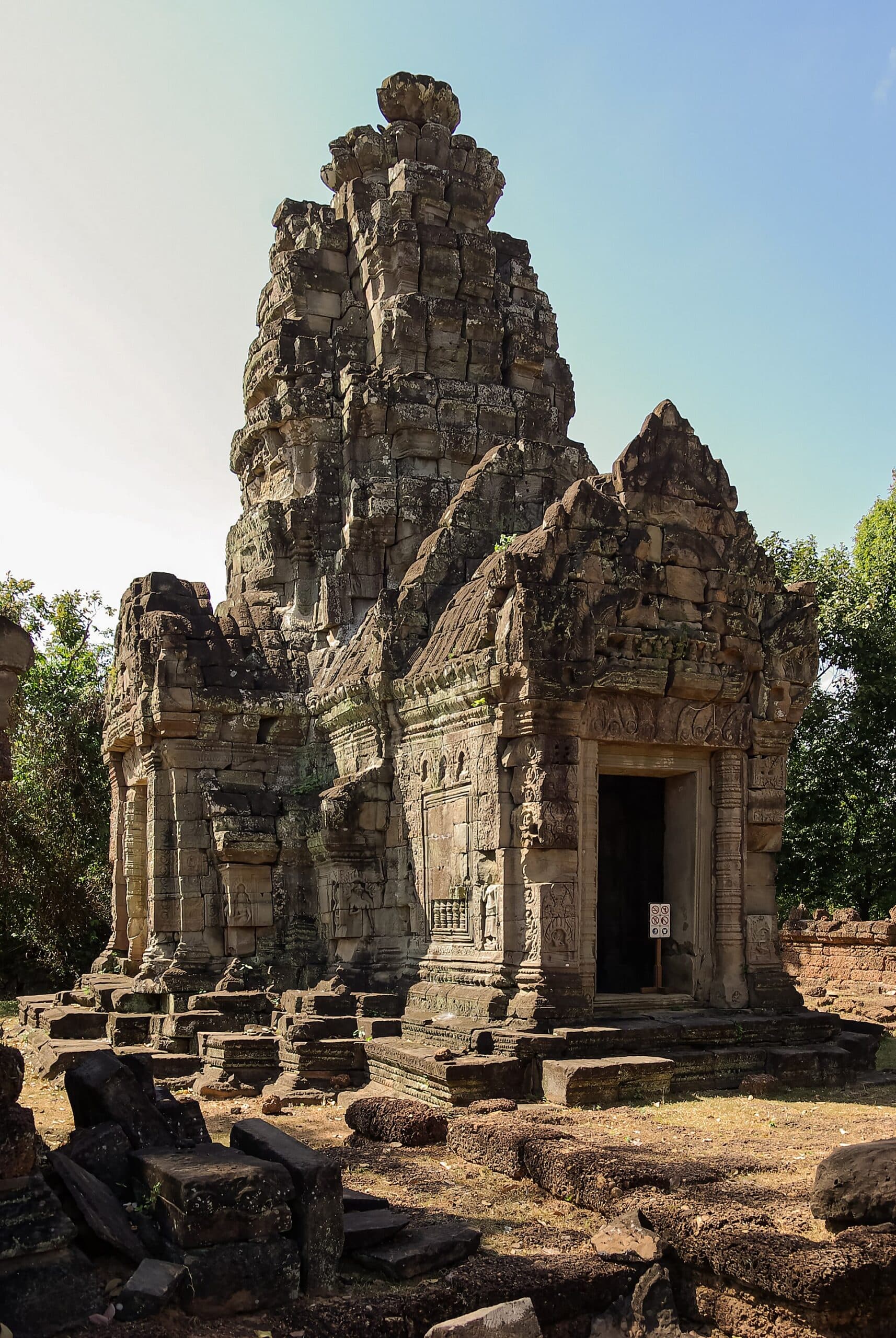
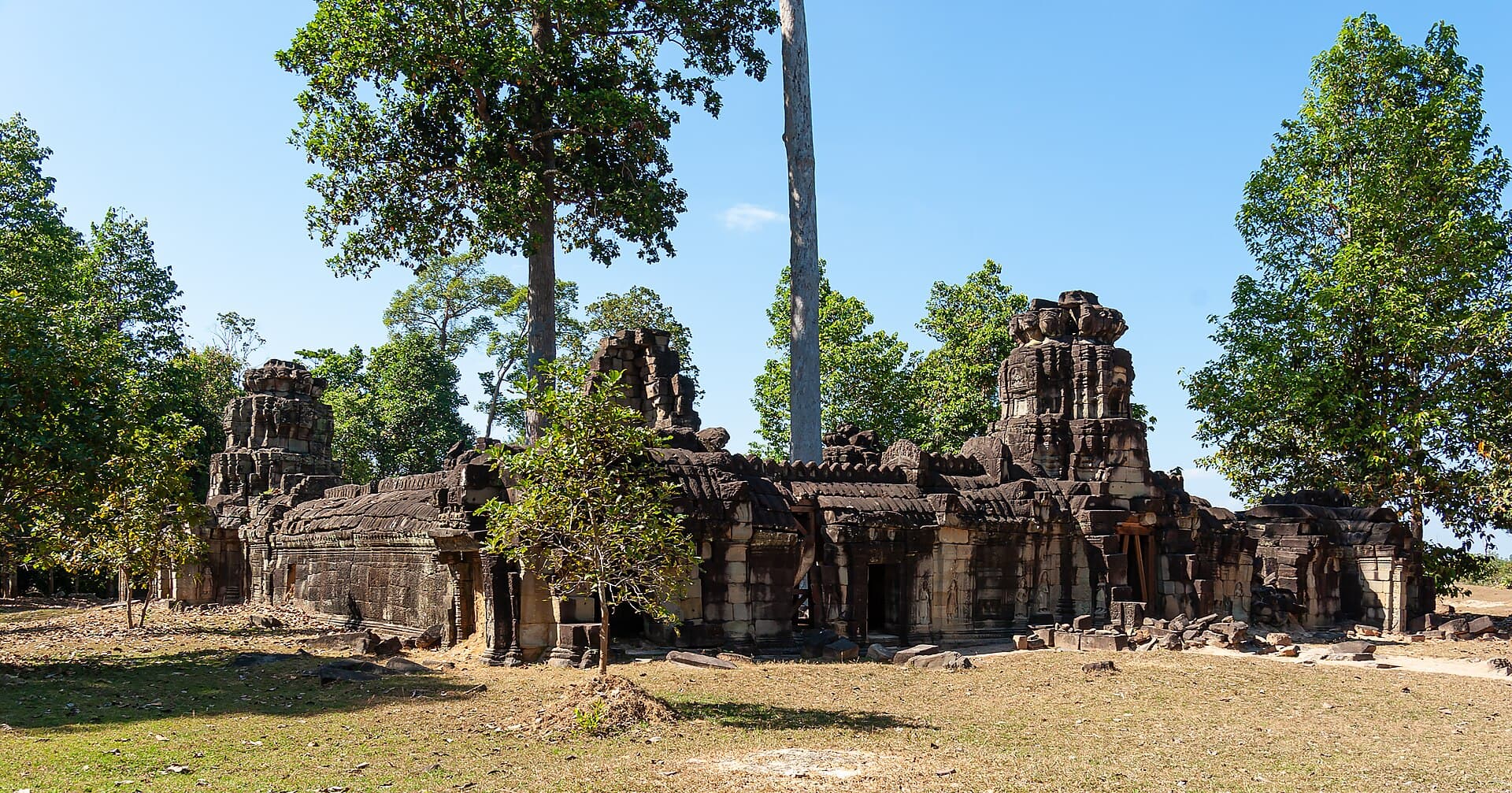
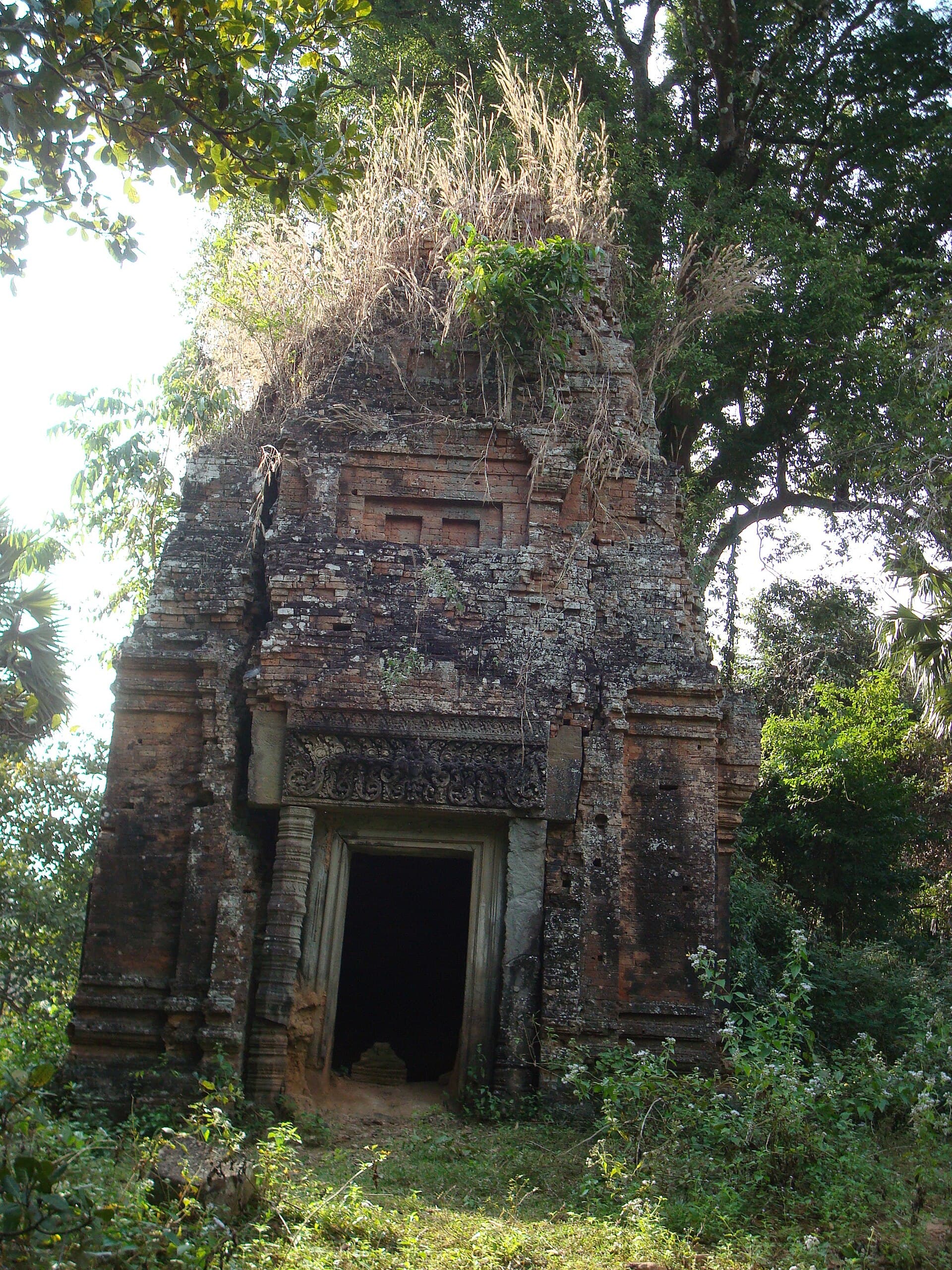
Prasat Prei offers visitors a peaceful contrast to the bustling crowds at Angkor Wat and the Bayon. Set amid light forest cover east of Angkor Thom, the small temple features laterite foundations and sandstone elements with well-preserved lintels showing Hindu deities and floral motifs. Its modest scale and partial unrestored state let travelers experience the atmosphere of an active archaeological site rather than a polished monument.
Architectural Highlights
The central sanctuary stands on a low platform, surrounded by a laterite enclosure wall. Look for the eastern doorway’s lintel depicting Vishnu reclining on the serpent Ananta, a motif common in 12th-century Khmer art. Scattered blocks nearby reveal apsara figures and leaf patterns that reward slow observation. Because the site receives fewer visitors, the carvings remain relatively free of modern wear.
How to Reach Prasat Prei
From Siem Reap town, the temple lies roughly 7 km north inside the Angkor Archaeological Park. Most travelers combine it with nearby sites such as Preah Khan or Ta Som on a single-day circuit. Tuk-tuks and remorques provide the most practical transport; bicycles suit those comfortable riding the park’s shaded roads. Entry requires the standard Angkor pass, purchased at the main checkpoint.
Best Time to Go
The cool-dry months from November through February bring comfortable temperatures and lower humidity, ideal for walking the grounds. Early morning visits, shortly after the park opens, deliver soft light for photography and the best chance of solitude. Avoid the peak heat of March to May and the heavy rains of September and October, when paths can become muddy.
Nearby Attractions
After exploring Prasat Prei, continue to the massive laterite walls of Preah Khan for its cruciform galleries, or head south to the East Baray reservoir for open views across the water. The area also connects easily to the smaller, atmospheric ruins of Banteay Thom and the stone bridge at Spean Thma, allowing a full day of varied temple architecture without retracing steps.