Why Visit Banteay Prei
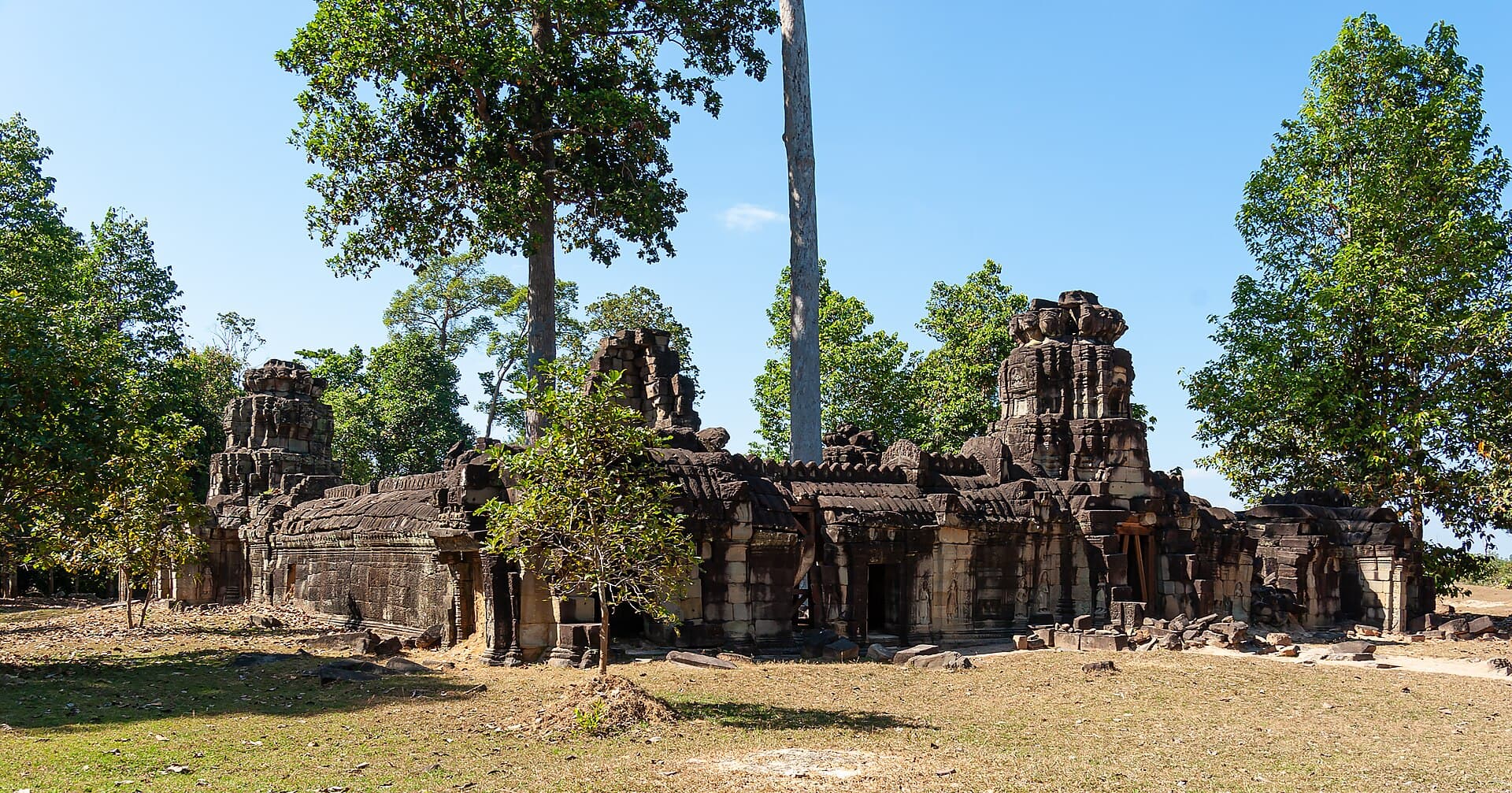
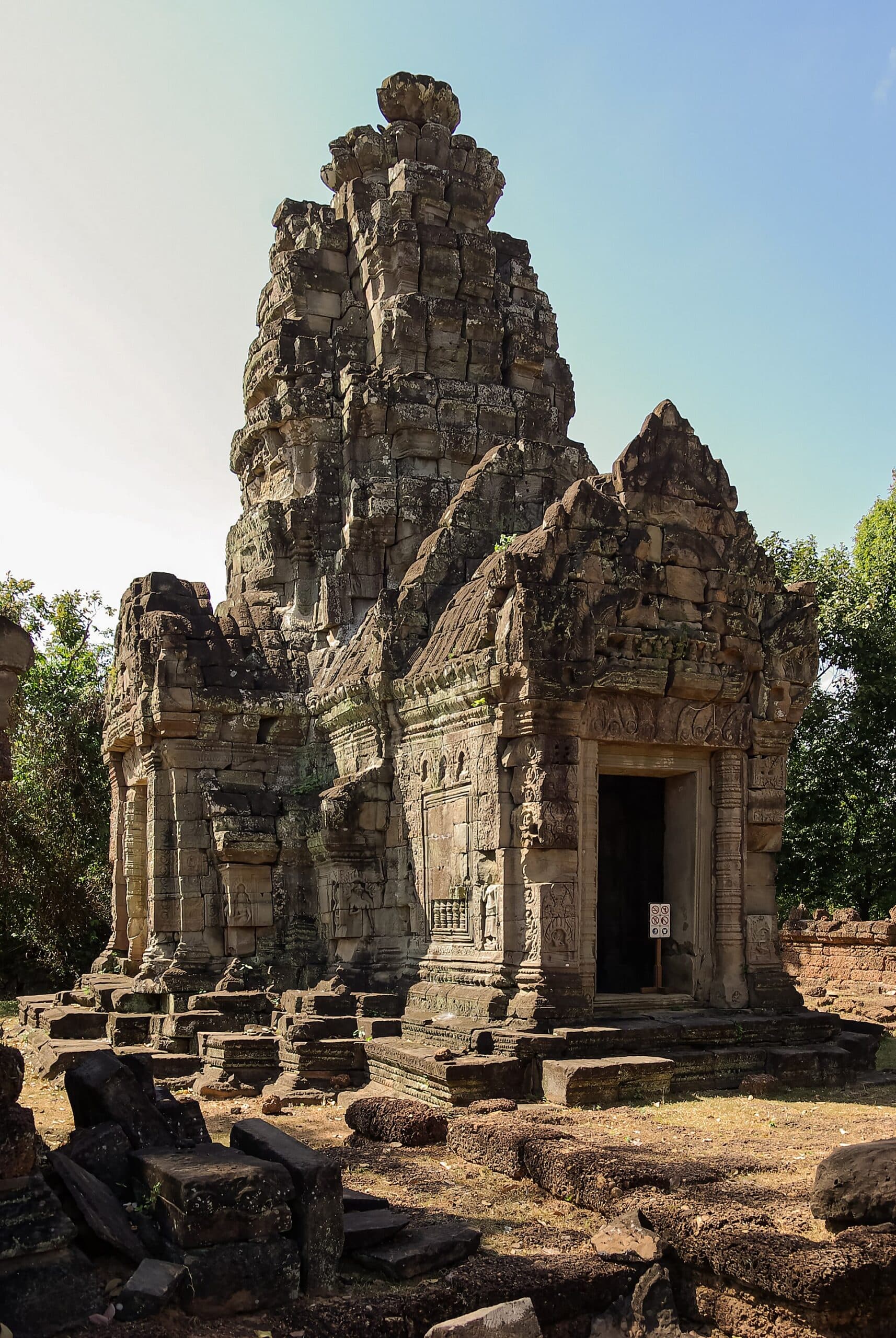
Banteay Prei stands out among the Angkor complex for its intimate scale and lack of crowds. Built in the late 12th century during the reign of Jayavarman VII, the temple follows the same Bayon style seen at the larger Bayon and Ta Prohm, yet its forest setting keeps most tour groups away. Visitors can examine delicate apsara carvings and door lintels without barriers or queues.
Architecture and Details to Notice
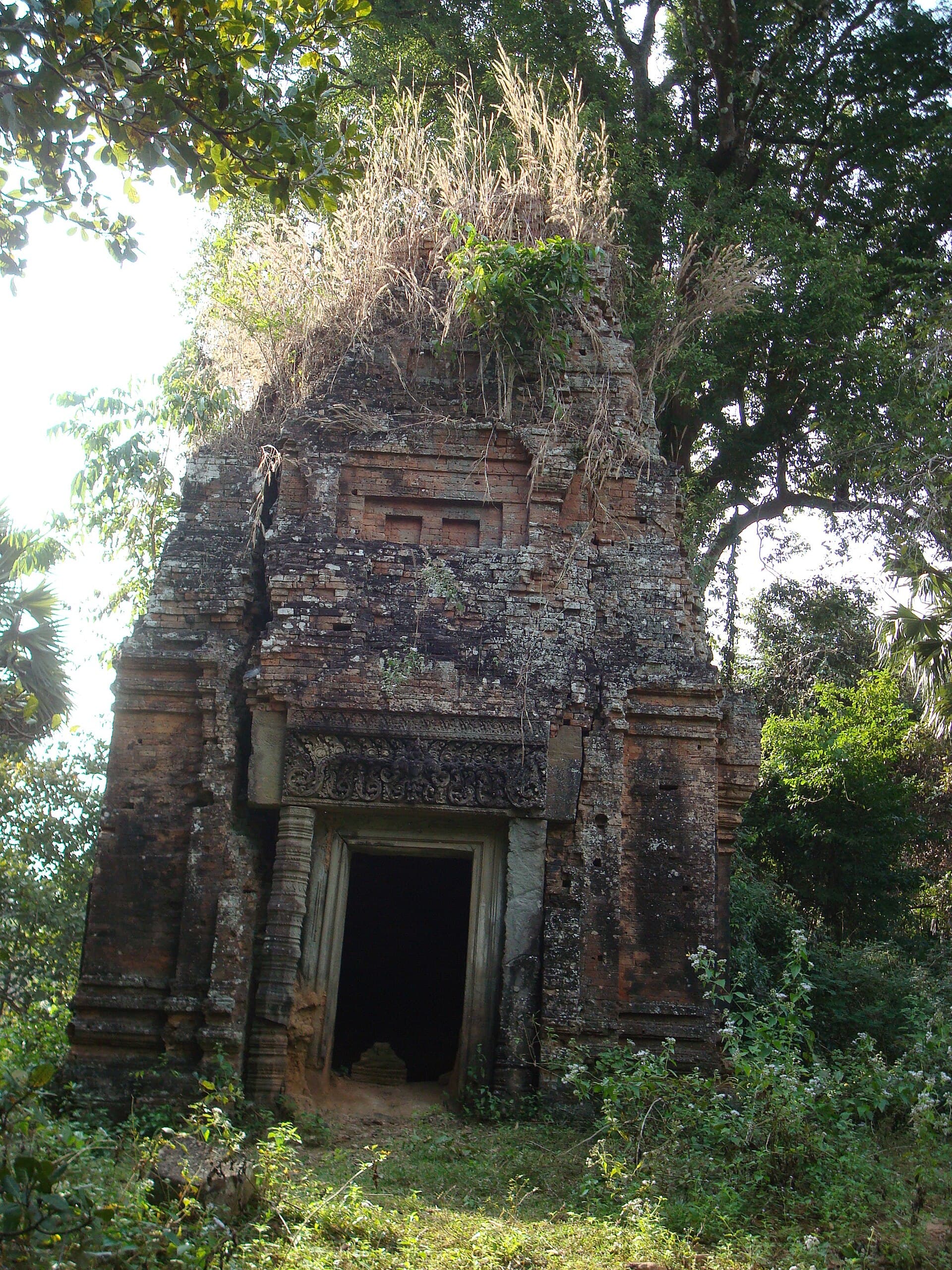
The central sanctuary consists of a single laterite tower surrounded by a low gallery. Look for the distinctive four-faced towers on the eastern entrance and the remains of a surrounding moat now filled with vegetation. Many of the original sandstone blocks still display intricate floral motifs and small Buddha images added during later Theravada renovations. The site’s compact layout makes it easy to circle the entire structure in under an hour while still absorbing the craftsmanship.
How to Reach Banteay Prei
The temple lies inside the Angkor Archaeological Park, roughly 1.5 km northwest of the North Gate of Angkor Thom. Most travelers combine it with nearby sites such as Banteay Thom or Preah Khan on a single ticket day. Motorbike taxis or remork drivers from Siem Reap can reach the area in 25–30 minutes; the access road is unpaved in places, so travel is easiest during the dry season.
Best Time to Visit
Early morning or late afternoon offers the softest light for photography and cooler temperatures. The rainy season (June–October) brings lush greenery but occasional muddy paths, while November–February provides the most comfortable weather for extended exploration on foot.
Nearby Attractions Worth Combining
After Banteay Prei, continue to the massive tree-root-covered walls of Ta Prohm or the royal bathing pools of Sra Srang. These sites share the same park ticket and lie within a short drive, allowing visitors to experience both crowded highlights and quieter ruins in one outing.