Why Visit the Toyohashi Museum of Natural Resources
Located in the quiet Hiuchizaka area of Ōiwa-chō, the Toyohashi Museum of Natural Resources offers a focused look at the geology and natural assets of Aichi. Visitors gain insight into local rock formations, mineral deposits, and prehistoric life that shaped the region long before modern development. The museum highlights resources such as limestone, coal seams, and marine fossils tied to the surrounding Mikawa Bay and inland hills, making it a worthwhile stop for anyone interested in earth sciences rather than general history.
What to See and Do
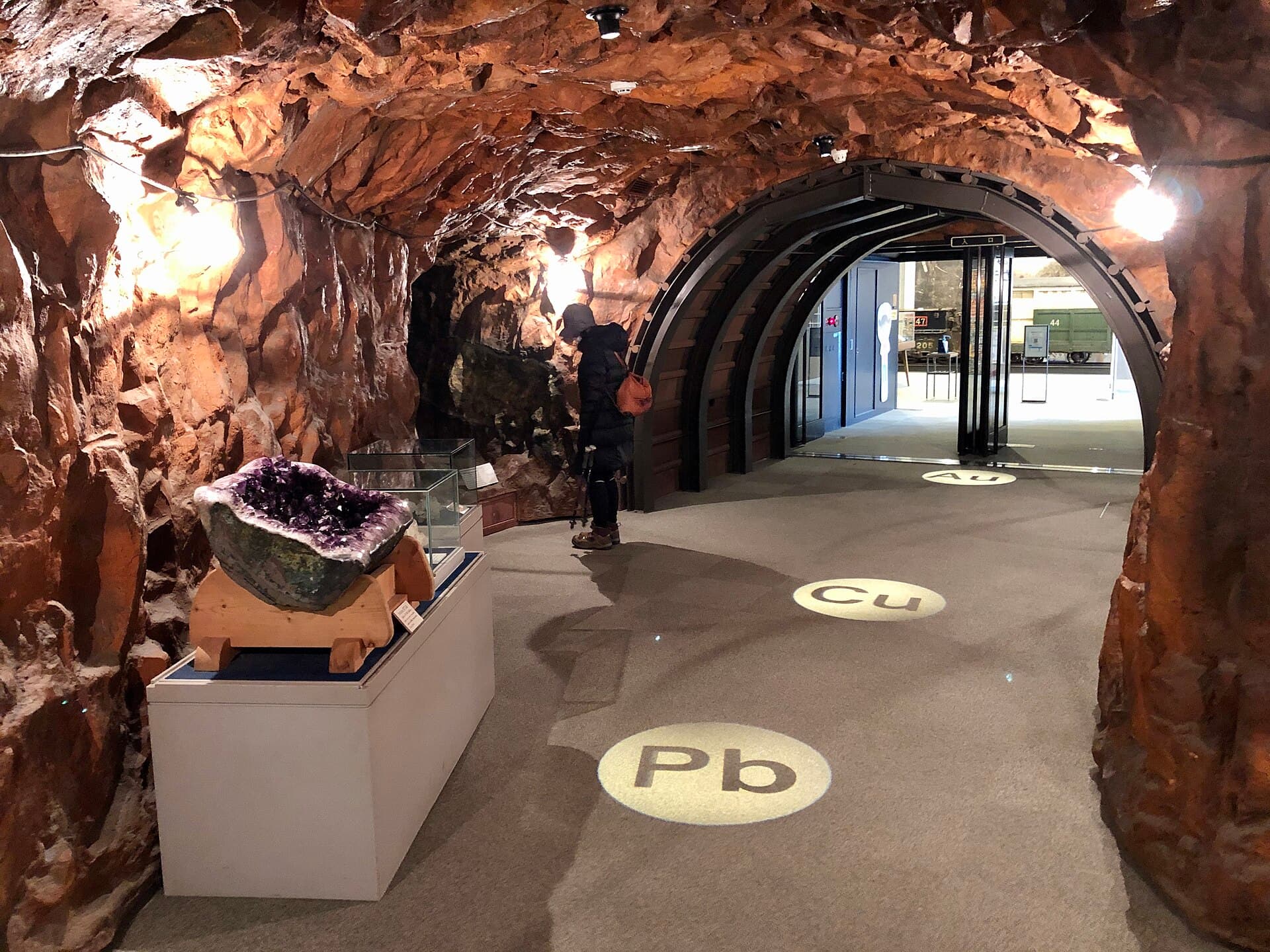
Exhibits center on specimens collected from Aichi and nearby prefectures. Expect displays of crystalline minerals, sedimentary layers, and reconstructed fossil skeletons that illustrate ancient environments. Interactive sections often allow close examination of rock samples and explanations of how tectonic activity formed the local landscape. Temporary displays rotate to feature seasonal themes like volcanic rocks or plant fossils from the Quaternary period. The museum grounds include outdoor rock gardens where visitors can compare different stone types found in the prefecture.
Practical Activities
- Follow the self-guided trail that connects indoor cases with outdoor geological features on the property.
- Attend short lectures on resource extraction history in the Mikawa region when available.
- Use the reference library for deeper reading on Aichi’s stratigraphy and mineralogy.
How to Get There
The museum sits in a residential hillside neighborhood reachable by local bus from Toyohashi Station. Travelers coming from Nagoya can take the Meitetsu train line to Toyohashi then transfer to a bus heading toward Ōiwa-chō. Those driving will find parking on site, though the approach roads are narrow and winding. The location offers quiet surroundings ideal for combining a museum visit with a short walk in nearby hills.
Best Time to Visit
Spring and autumn provide the most comfortable weather for exploring both the indoor galleries and the outdoor rock displays. Weekday mornings tend to be quieter, allowing more time with exhibits. Summer visits require attention to humidity and occasional typhoon disruptions, while winter offers clear views but cooler indoor temperatures in some sections.
Nearby Attractions
After your visit, continue to the coastal areas around Mikawa Bay for birdwatching or head inland to the forested trails of the nearby mountains. The broader Toyohashi region includes several shrines and parks that pair well with a geology-focused morning, creating a balanced day trip that mixes indoor learning with outdoor scenery.